
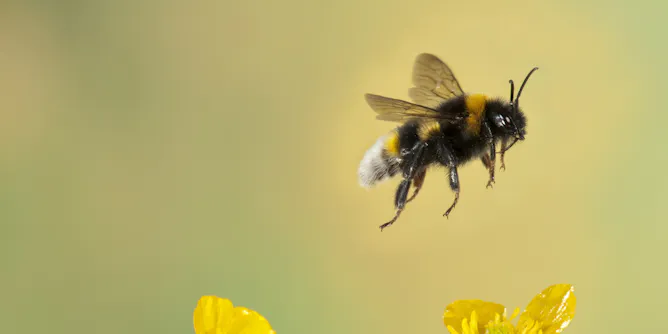
Many common insects seem to disappear during autumn and winter – but they are still around. Making your garden a good winter habitat can help these vital pollinators survive and thrive.
Articles on Butterflies
Displaying 21 - 40 of 76 articles
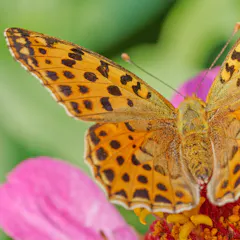
Climate change puts pressure on British butterflies and moths - sometimes pushing them to the edges of their geographical range or shifting the timing of their life cycle so they can’t feed.

The native red admiral is less common than it used to be, but we can all help threatened bug species by ensuring they have the right habitats to thrive in.
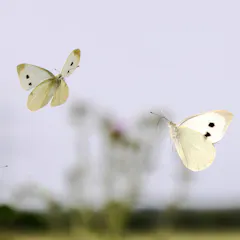
Conditions this year have been perfect for a cabbage white population boom, but you can do a few things to stop their caterpillars from shredding your plants.
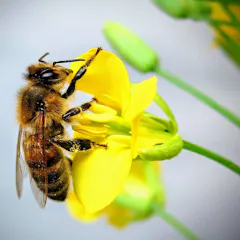
We’re making life tough for insects – and not just by swatting them away with a newspaper.
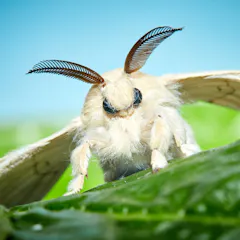
Moths are often overlooked as the poor cousin to butterflies, but they are truly remarkable creatures.
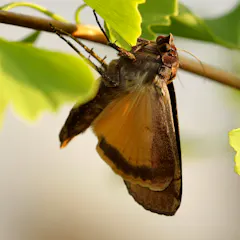
But pesticides and climate change are threatening moths’ future.
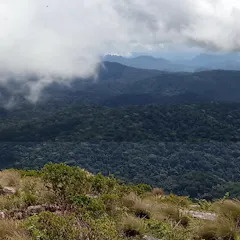
The forests around Mount Mabu in Mozambique are rich in biodiversity, including some newly discovered species.
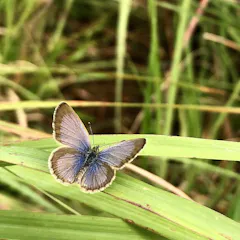
Butterflies are sentinel species – their interactions with landscapes help scientists understand other insects better.
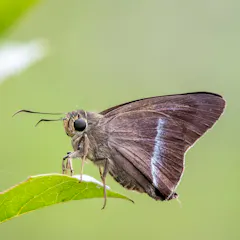
The most detailed evolutionary tree of butterfly species ever created reveals the precise origins of the nectar-sipping gadabouts.
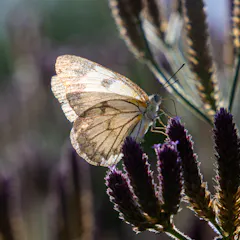
Across the world, phenological events are occurring increasingly earlier as a result of climate change.
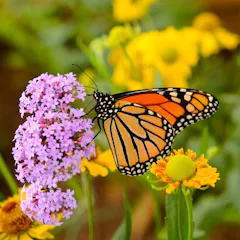
The struggles of monarch butterflies reflect a shared North American ecological and social problem.

Butterflies are important pollinators. To find out how predators affect butterfly populations and diversity, butterfly decoys were used.
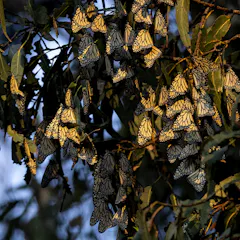
The iconic monarch butterfly has been added to the Red List of endangered species, but hasn’t received protection in the US yet. That’s not necessarily a bad thing.
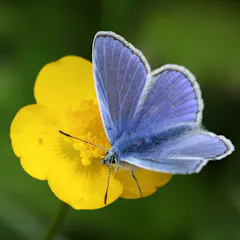
Plus, why you should always remove grass cuttings from your lawn.
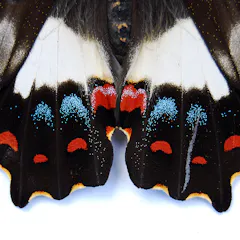
There are 900,000 described species of insects in the world. Field guides help us make sense of them.
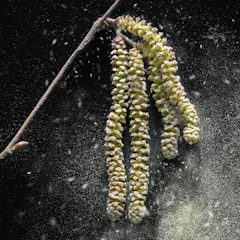
Pollen brings seasonal misery to millions of Americans, but it serves a critical purpose: fertilizing many kinds of plants, including food crops.
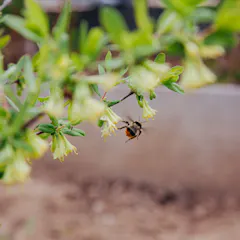
Up to 85% of the nectar available to pollinating insects in a city comes from gardens. What we plant – whether in an allotment or a window box – can make a huge difference.
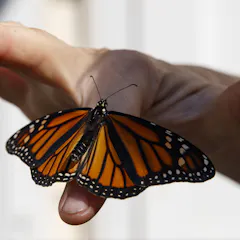
Informed data donations are different from the usual online data experience. They’re easier to manage because of technological advances.
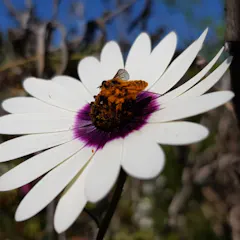
Half of all flowering plants mostly or completely rely on animal pollinators to make seeds. A decline in pollinators could cause major disruptions in natural ecosystems.
Top contributors
-

Former Postdoctoral Research Associate
-
PhD Candidate in Zoology, University of Otago
-
Associate Professor, Australian National University
-
Associate Professor in Botany, University of Otago
-
Lecturer in Ecology, University of New England
-
Associate Professor in Entomology, University of Sydney
-
Postgraduate Researcher in Conservation Ecology, The Open University
-
Associate Professor in Ecology, Northumbria University, Newcastle
-
Senior Collections Manager at McGuire Center for Lepidoptera & Biodiversity at Florida Museum of Natural History, University of Florida
-
PhD student, University of Oxford
-
Postdoctoral Fellow, University of California, Davis
-
Curator of Zoological Collections and Assistant Professor, Western University
-
Adjunct Assistant Professor of Ecology, Evolution and Organismal Biology, Iowa State University
-
Lecturer of Physical Chemistry (Nanocrystals and Nanoparticles), Bangor University
-
Senior Lecturer in Biological and Environmental Sciences, University of Stirling