
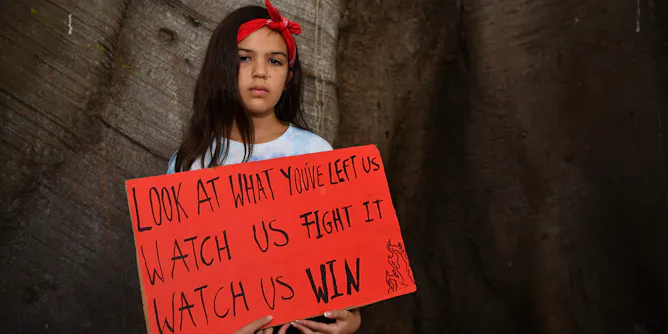
One problem with the Australian Curriculum bushfire content statements is that they are relatively abstract and detached from children’s lived experiences.
Articles on Bushfires
Displaying 321 - 340 of 586 articles
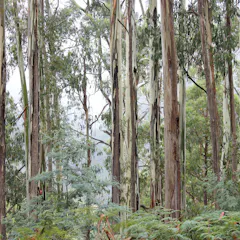
The nature of our fires is changing rapidly, and the adaptation of our plants and animals won’t be able to keep pace.
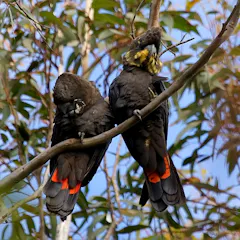
The destruction of recent fires is challenging our belief that with enough time, love and money, every threatened species can be saved. But there is plenty we can, and must, now do.
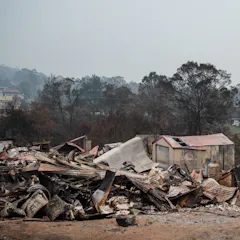
Some students are grieving the loss of their homes or loved ones. Even those not directly affected by fires may be distressed by stories they’ve heard or images they’ve seen. How can schools help?
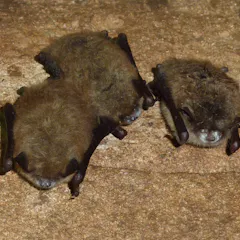
It’s been a deadly summer for Australia’s wildlife. But beyond the fires, we need to act now to protect bats – which make up a quarter of Australian mammal species – from a silent overseas killer.
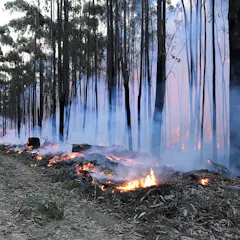
Forest thinning is a good way to lower the risk of fire, but there are potential downsides.
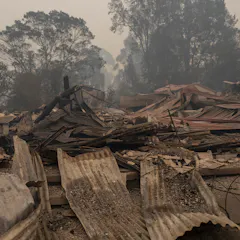
While the bushfire crisis might provoke a sense of urgency to rebuild, we need to stop and properly plan where and how we construct buildings and open spaces.
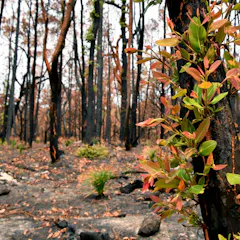
Estimates of the cost of Victoria’s 2009 Black Saturday fires provide a staring point for calculating the much bigger cost of these ones.
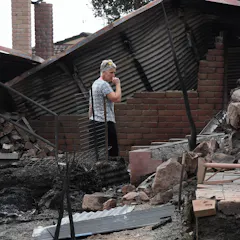
There have been scores of scams reported in Australia since the bushfires started in September. This is why fraudsters take advantage of those in need.

Emergency service workers already have poorer mental health than the rest of us. In the wake of this bushfire crisis, we need to make the well-being of our first responders a top priority.

When ecosystems aren’t able to repair themselves, it’s up to us to intervene.
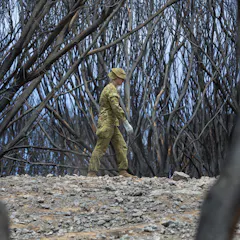
The ecological costs of huge, repetitive, high-severity wildfires on ecosystems could be colossal.
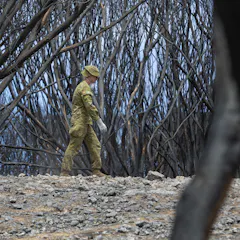
Many of the recommendations of previous inquiries and reviews have yet to be implemented. What we need is a better fire and land management strategy – not another royal commission.
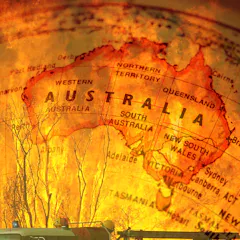
An old political maxim is to ‘never waste a crisis’, but sometimes a crisis isn’t enough.
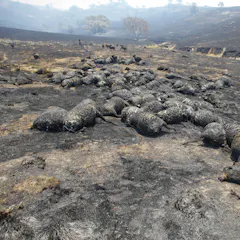
There’s logic in burying carcasses as they can harbour nasty diseases, but they also help landscapes recover from fire.
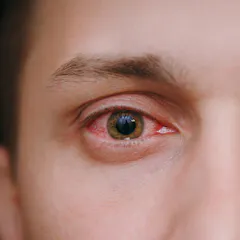
Another troubling consequence of the bushfire smoke is its effects on our eyes. But there are some steps we can take to minimise irritation and any risk of longer term harms.
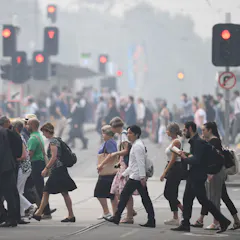
Bushfire smoke is making it difficult for some people to breathe. Those with asthma are at particular risk, but not everyone with the condition has been diagnosed. Here’s what to look out for.
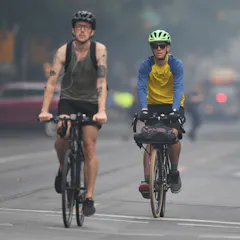
Bushfire smoke accumulating over Australian cities contains a complex chemical mix which does all sorts of things to the human body.
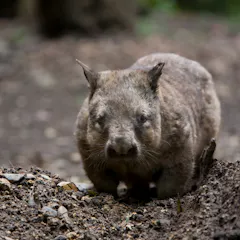
Wombats don’t herd animals to shelter in their fire-proof burrows, they just tolerate uninvited house guests.

The risk of mental health problems associated with this bushfire season extends well beyond those living in directly affected regions.
Top contributors
-

Professor of Pyrogeography and Fire Science, University of Tasmania
-
Distinguished Professor of Ecology, Fenner School of Environment and Society, Australian National University
-
Professorial Fellow, University of Canberra
-
Professor in Ecology, Charles Sturt University
-
Associate Professor, Hawkesbury Institute for the Environment, Western Sydney University
-
Research Fellow in Environmental Science, University of Tasmania
-
Emeritus professor, University of Wollongong
-
Adjunct Professor (Practice) in the School of Earth, Atmosphere and Environment, Monash University
-
Deputy Director, Engagement and Impact, The ARC Centre of Excellence for the Weather of the 21st Century, Australian National University
-
Deputy Head of School, School of Architecture and Built Environment, University of Newcastle
-
Associate Professor, School of Architecture and Built Environment, University of Newcastle
-
Adjunct Senior Lecturer, School of Architecture and Built Environment, University of Newcastle
-
Professor, School of Life Sciences, University of Technology Sydney
-
Professor in Wildlife Ecology and Conservation, School of Life & Environmental Sciences, Deakin University
-
Professor, Water and Landscape Dynamics, Fenner School of Environment & Society, Australian National University