
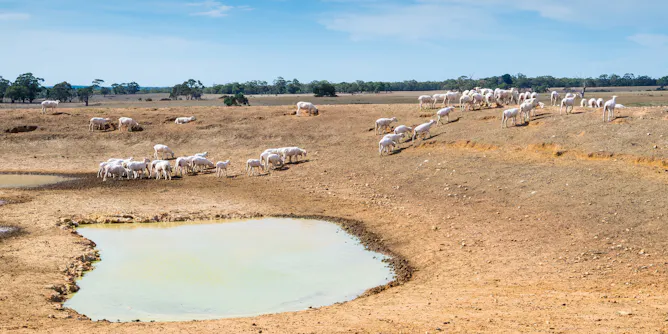
Future extremes from the Indian Ocean will be acting on top of global warming, giving a double whammy effect, like the record-breaking heat and drought we saw in 2019.
Articles on Bushfires
Displaying 281 - 300 of 586 articles
Long before a fire season that destroyed 3,500 homes, more than 100,000 Australians were homeless. If only we showed the same urgency and innovation in housing them as we did for bushfire victims.

The drought has pushed many trees to the brink, and whole stands are now dying. The ecological consequences are huge.
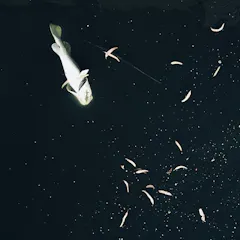
Fish, frogs, turtles and platypus at major risk of extinction following the bushfires. So why aren’t they getting much attention?
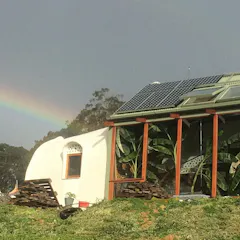
Earth-covered houses are not only highly fire-resistant, but sustainable features such as off-grid power and water supplies could also be life-saving in a bushfire.
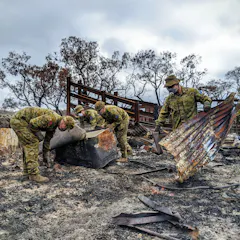
People should always evacuate early to ensure their safety. But when they do decide to stay or they’re told it’s too late to leave, having a plan B is extremely important.

Treasury will update the nation on the likely impact of the coronavirus on Thursday.
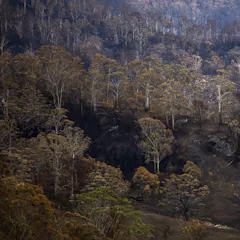
The forestry industry wants to remove damaged logs from native forests after the bushfires. But our wildlife needs them now more than ever.
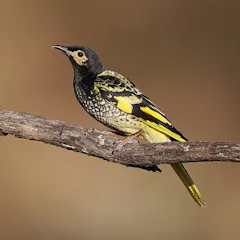
Some threatened species hit hard by the bushfires this summer have populations in and around urban areas, which are now crucial refuges. Here are some tips to help improve their odds of survival.

Michelle Grattan on the week in politics, including the travel ban, the royal commission into the bushfires, and labor’s stance on a compulsory superannuation guarantee and zero emissions by 2050.
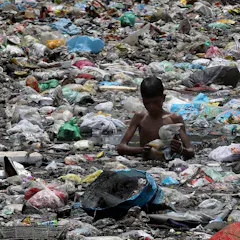
Some people might think it’s a ridiculous conversation, but for the sake of the planet we need to talk about ending capitalism.
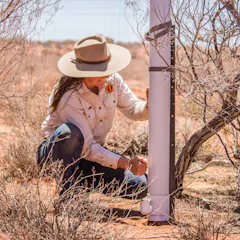
We all want to help native animals recover after bushfires, but giving a koala a drink from your water bottle can cause more harm than good. Here are some helpful things you can do.
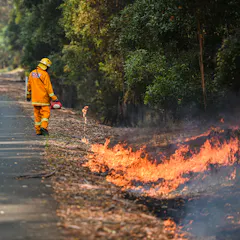
This summer’s bushfires have sparked a fiery debate about hazard-reduction burning. Scientists are still debating whether it really helps prevent bushfires – here’s why.
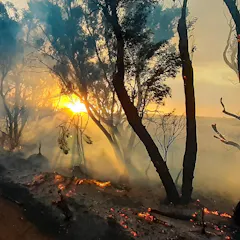
A scientist whose Kangaroo Island home was threatened by the summer’s bushfires says there is a ‘knowledge gap’ between satellite data and useful maps that can protect communities.

The current state of our climate shouldn’t be dismissed as a ‘new normal’. The hard truth is many of our ecosystems will not recover from the damage.
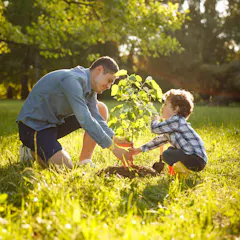
In a warming world, trees can play a major role in keeping cities and your home cool. If you plan it right, they can even save you money and protect your home from bushfires.
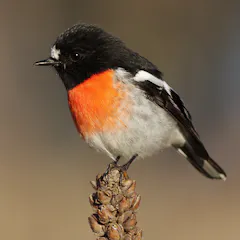
First come the beetles, then the birds: how nature is surviving, and thriving, after a summer of fires.
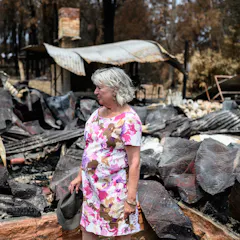
The study is the first of its kind to gauge how people were impacted by the bushfire crisis and how it changed their views on a range of subjects, from climate change to the government response.
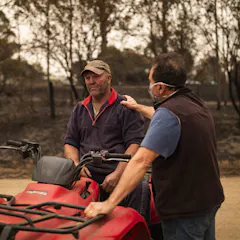
Most of us are familiar with the concept of psychological trauma. But what is collective trauma, and how can we tackle it in the wake of the bushfire crisis?
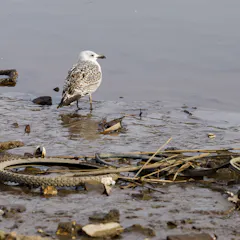
Floods will undoubtably wash pollutants into water reservoirs. Are we prepared enough to protect our drinking water?
Top contributors
-

Professor of Pyrogeography and Fire Science, University of Tasmania
-
Distinguished Professor of Ecology, Fenner School of Environment and Society, Australian National University
-
Professorial Fellow, University of Canberra
-
Professor in Ecology, Charles Sturt University
-
Associate Professor, Hawkesbury Institute for the Environment, Western Sydney University
-
Research Fellow in Environmental Science, University of Tasmania
-
Emeritus professor, University of Wollongong
-
Adjunct Professor (Practice) in the School of Earth, Atmosphere and Environment, Monash University
-
Deputy Director, Engagement and Impact, The ARC Centre of Excellence for the Weather of the 21st Century, Australian National University
-
Deputy Head of School, School of Architecture and Built Environment, University of Newcastle
-
Associate Professor, School of Architecture and Built Environment, University of Newcastle
-
Adjunct Senior Lecturer, School of Architecture and Built Environment, University of Newcastle
-
Professor, School of Life Sciences, University of Technology Sydney
-
Professor in Wildlife Ecology and Conservation, School of Life & Environmental Sciences, Deakin University
-
Professor, Water and Landscape Dynamics, Fenner School of Environment & Society, Australian National University