
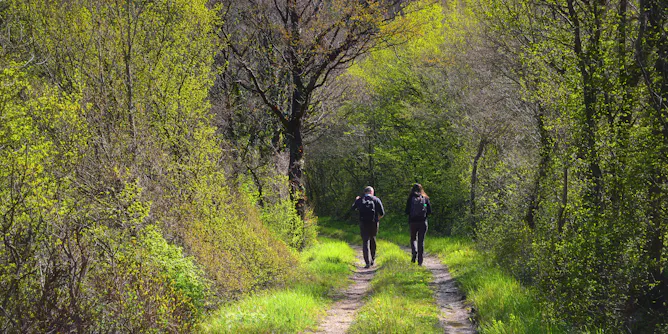
These scientists identified the five most severe crises the planet faces in a new report, Our Future on Earth 2020.
Articles on Bushfires
Displaying 301 - 320 of 586 articles

How could a nation like Australia came close to a humanitarian crisis during the recent bushfires? A problem-solving theory called “systems thinking” can help us find out.
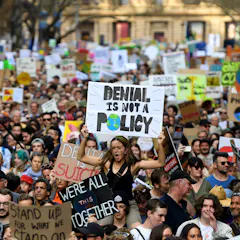
Whatever our differences, Australians’ essential empathy and yearning for connection always come out in times of crisis. We have a responsibility to make sure it stays that way.
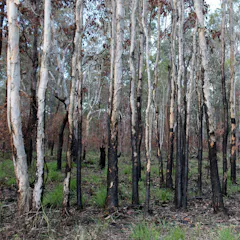
Weeds can play an important role supporting ecosystem recovery after fire.
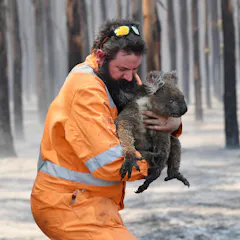
For many Australians, the bushfire disaster could represent a turning point: the moment they adopt new, long-term behaviours to help nature.

‘Futuring’ can help us survive the climate crisis. And guess what? You’re a futurist too
The Conversation, CC BY14.1 MB (download)
When think about this time next year, are we freaking out, or are we futuring?
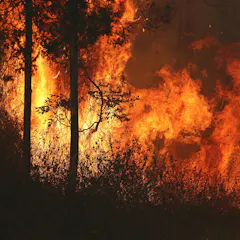
The best way to inoculate the public against climate disinformation campaigns is to tell them what’s coming.
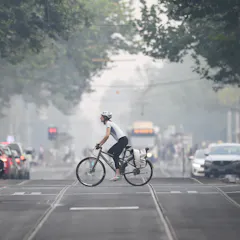
Millions of Australians far from the bushfires’ direct path have been affected by smoke haze. Here’s everything we know about the effects of bushfire smoke on our health.
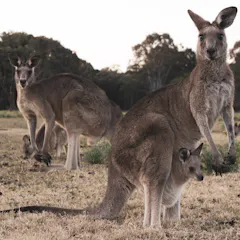
Pressure is mounting on fashion producers to stop using skins from Australian native animals. But Indigenous people are reviving traditions and there are ethical ways for trade to continue.

Plants can store mercury and keep it from contaminating waterways, air and soils. Unfortunately, that mercury is released when plants burn.
Morrison’s hope for clear air for his messages is being stymied by the crisis around deputy Nationals leader Bridget McKenzie, as more damaging information emerges against her in the sports rorts affair.
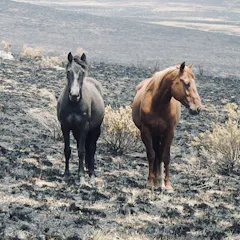
Without an emergency cull of feral horses in Kosciuszko National Park, the land cannot recover from the bushfires – and threatened species are at grave risk of being annihilated.
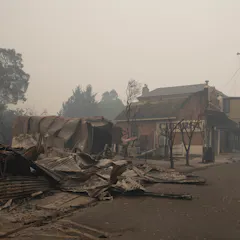
Australia can learn from how India used community hubs to bridge the gap between government and local communities in the challenging years of reconstruction.
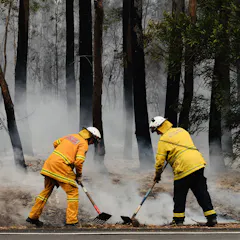
How can a bushfire be described as “under control” if it’s still burning? Here’s an explanation of what the terms mean.
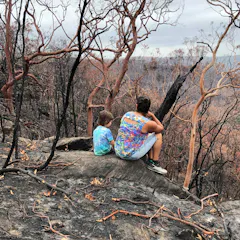
Indigenous kinship networks link each plant to the next and connect us to Country. Honouring this way of being and engaging in fair collaboration might give power to our heartbreak.
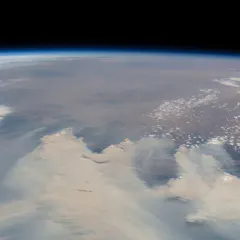
When a bushfire burns is one country, smoke drift means it can become the world’s problem. But the law lacks the teeth to hold those responsible to account.
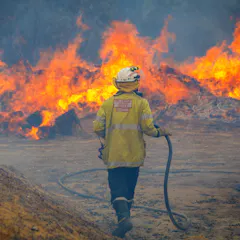
There is a real risk a national inquiry could get bogged down in politics, or not lead to real change. But we need more federal action on bushfires. Our old approaches are broken.
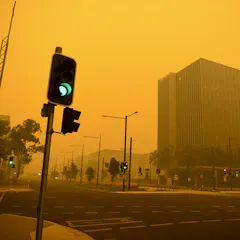
Universities can help students affected by the bushfires by learning from what others have done in past crises.
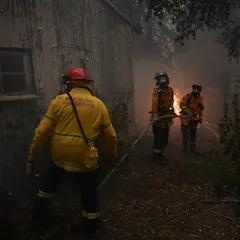
Australia’s rural firefighting organisations hold a special place in the nation’s heart. Part of what makes them so interesting is how they are organised and funded.
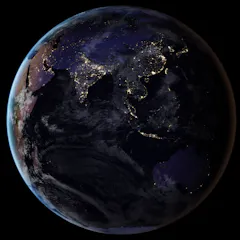
To be clear, I’m not advocating compulsory population control, here or anywhere. But we do need to consider a future with billions more people, many of them aspiring to live as Australians do now.
Top contributors
-

Professor of Pyrogeography and Fire Science, University of Tasmania
-
Distinguished Professor of Ecology, Fenner School of Environment and Society, Australian National University
-
Professorial Fellow, University of Canberra
-
Professor in Ecology, Charles Sturt University
-
Associate Professor, Hawkesbury Institute for the Environment, Western Sydney University
-
Research Fellow in Environmental Science, University of Tasmania
-
Emeritus professor, University of Wollongong
-
Adjunct Professor (Practice) in the School of Earth, Atmosphere and Environment, Monash University
-
Deputy Director, Engagement and Impact, The ARC Centre of Excellence for the Weather of the 21st Century, Australian National University
-
Deputy Head of School, School of Architecture and Built Environment, University of Newcastle
-
Associate Professor, School of Architecture and Built Environment, University of Newcastle
-
Adjunct Senior Lecturer, School of Architecture and Built Environment, University of Newcastle
-
Professor, School of Life Sciences, University of Technology Sydney
-
Professor in Wildlife Ecology and Conservation, School of Life & Environmental Sciences, Deakin University
-
Professor, Water and Landscape Dynamics, Fenner School of Environment & Society, Australian National University