
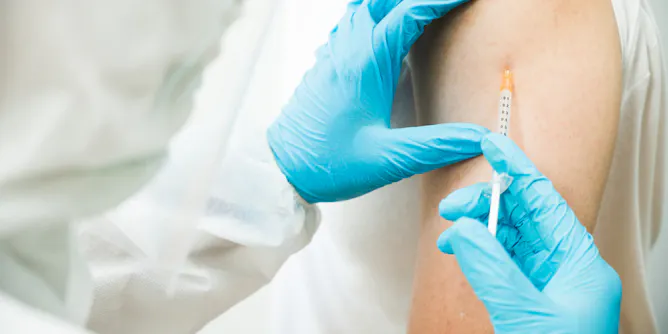
There are many scientific and ethical challenges ahead. But these types of trials have helped in the development of vaccines against a few diseases. Could they do the same for COVID-19?
Articles on Bioethics
Displaying 61 - 80 of 137 articles
Lockdown is a drastic solution to limit the impact of COVID-19 and has many costs, as this long read explains.
Challenge trials – purposefully exposing volunteers to the coronavirus – could speed up the development of a vaccine. But there are serious ethical concerns with this approach.
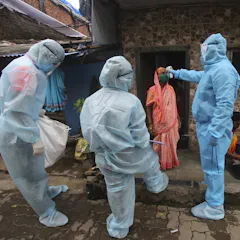
The high cost of pharmaceuticals often means only the richest patients get lifesaving medicines. As coronavirus drugs emerge, it will require hard, creative work to ensure they’re available to all.
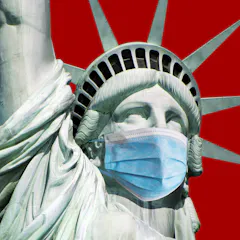
A bioethicist argues that the problem of health disparities existed long before COVID-19 struck with a vengeance in marginalized communities.
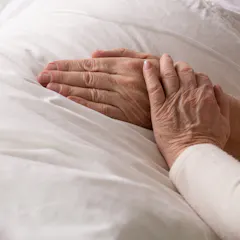
Preventing people from dying alone in a pandemic takes ingenuity and money, but it’s the right thing to do.
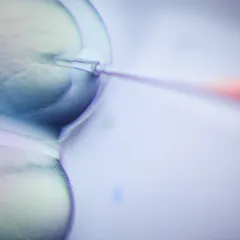
One of the methods researchers are exploring to combat COVID-19 is gene editing: altering the genome of the virus to make it harmless.

To refuse inclusion would prevent Africa’s researchers from being significant players in the universal fight against the virus.
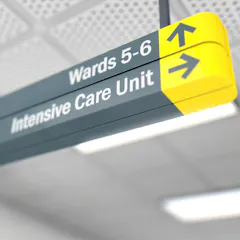
Rather than basing decisions about ICU access on age, clinicians need to consider the potential benefits and burdens of treatments proposed for every patient.
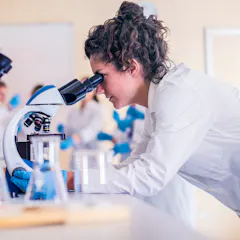
We urgently need a vaccine for COVID-19 but exposing humans to a vaccine candidate that hasn’t undergone the usual safety assessments is risky.
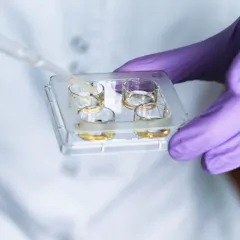
CRISPR technology could have momentous effects if it’s used to edit genes that will be inherited by future generations. Researchers and ethicists continue to weigh appropriate guidelines.

Deliberately infecting people with a disease-causing agent as part of carefully considered medical research can be ethically acceptable or even necessary.
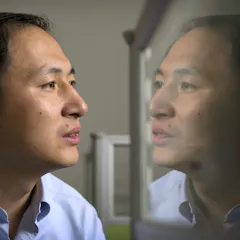
News of the gene-edited babies excludes images of the children’s mother. Cutting her out of the picture underscores the idea that the mother is obsolete and babies can be created in the lab.

Scientists and ethicists have called for a five-year moratorium on editing human genes that will pass on to future generations. Yes, society needs to figure out how to proceed – but is this the best way?
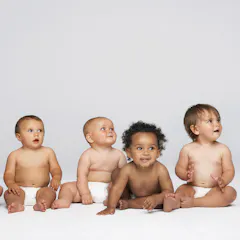
CRISPR gene editing should learn from the Slow Food movement. Scientists must allow time for critical conversations and perfecting of techniques before rewriting the source code of humanity.
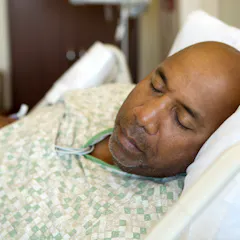
Gaps in care and outcomes between African-Americans and white patients is a major concern to those who care about fairness in health care. Gaps in care also exist at end of life, too.
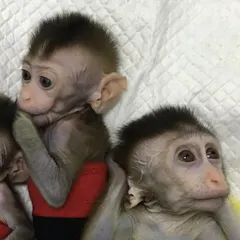
Researchers in China have produce a world first: gene edited, cloned macaque monkeys. They say such animals will be vital for research on human health – but ethical concerns remain.
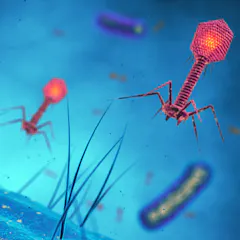
Gene editing through CRISPR may have greater consequences than climate change or unleashing the energy of the atom.

Questions abound about whether the scientist who created the first gene edited human beings took shortcuts in the ethical oversight process. But pedantically focusing on protocol misses the point.
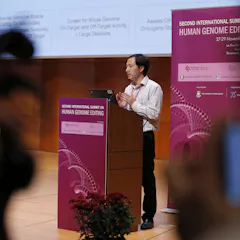
Chinese researcher He Jiankui told a spellbound audience how he created gene-edited babies. With a couple of revealing slides, we can see what he did and speculate what health problems might ensue.
Top contributors
-

Chen Su Lan Centennial Professor in Medical Ethics, National University of Singapore; Distinguished Visiting Professor in Law, University of Melbourne; Uehiro Chair in Practical Ethics, The University of Melbourne
-
Professor of Bioethics and Humanities, School of Medicine, University of Washington
-
Lecturer in Bioethics, Monash University; The University of Melbourne
-
Distinguished Research Professor, Emerita, Dalhousie University
-
Associate Professor of Pediatrics, University of Cincinnati
-
Professor of Bioethics & Medicine, Sydney Health Ethics, Haematologist/BMT Physician, Royal North Shore Hospital and Director, Praxis Australia, University of Sydney
-
Assistant Professor in Biomedical Ethics, National University of Singapore
-
Professor of Medicine, Monash University
-
Lecturer in Philosophy, Fenner School of Environment and Society, Australian National University
-
Senior Research Fellow, Uehiro Centre for Practical Ethics, University of Oxford
-
Vanier Scholar and Ph.D. Candidate in Microbiology and Immunology, Dalhousie University
-
Research Fellow in Biomedical Ethics, The University of Melbourne
-
Honorary Professor Faculty of Health and Medical Science, Univeristy of Sydney; Senior Researcher Sydney Institue for Infectious Disease, University of Sydney., University of Sydney
-
Associate Professor of Health Care Ethics, Saint Louis University
-
Professor, Medical Ethics, Bond University