
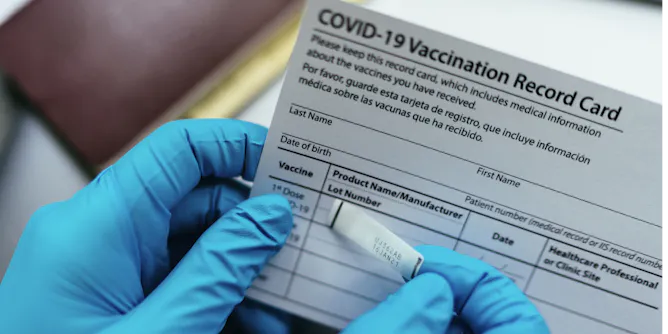
Vaccine policies fall on a spectrum, from mandates to recommendations. Deciding what to use and when is not so much a science but a balancing act between personal autonomy and public good.
Articles on Bioethics
Displaying 21 - 40 of 137 articles
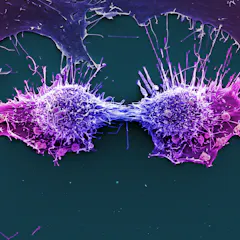
The settlement is a long-awaited moment of victory for Henrietta Lacks and her family. But the battle for justice in genetic and medical research is not over yet.
Scientists can create viable eggs from two male mice. In the wake of CRISPR controversies and restrictive abortion laws, two experts start a dialogue on ethical research in reproductive biology.

The decision-making capacity of people under 18 would be assessed on a case-by-case basis by medical practitioners.

Biobanks collect and store large amounts of data that researchers use to conduct a wide range of studies. Making sure participants understand what they’re getting into can help build trust in science.
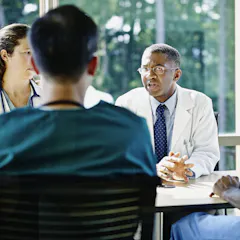
Hospital ethics committees and consultants do not make decisions for others, but their input can help support doctors and patients navigate difficult dilemmas.
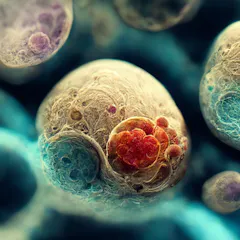
We should think carefully about whether it is ethical to create living human-like beings only to conduct research on them.
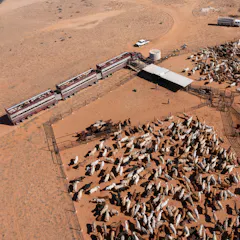
When Peter Singer first published Animal Liberation in 1975, he wasn’t aware of climate change. But the new book, Animal Liberation Now, argues eating plants will reduce greenhouse gas emissions.
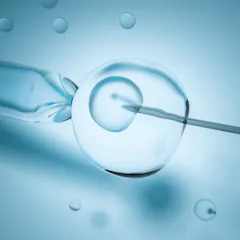
In April, scientists implanted synthetic monkey embryos in female monkeys. While none of them developed into fetuses, this is a new development that raises important ethical questions.
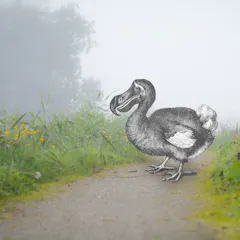
Two conservation scholars break down what de-extinction looks like – and the debate over whether it could do any good.
Early adopters have started using ChatGPT to assist with mundane tasks like writing sick certificates and patient letters.

Looking at the underlying philosophical and moral questions involved in abortion debates can help explain why it’s such an intensely divisive issue.
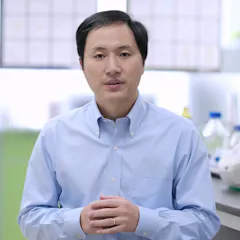
Scientific and public uproar resulted when the Chinese scientist announced the births of the first human babies with heritable edits to their genes. A new documentary reexamines the saga.

From warfare to entertainment and VR, brain-computer interface development has extended beyond prosthetics for patients with disabilities. Missing is full ethical consideration of the consequences.
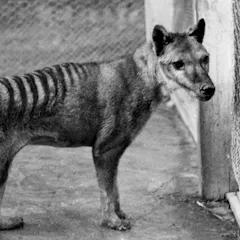
A new biotech partnership could bring the first baby thylacine to life within 10 years. But de-extinction is controversial – should we even be doing this?
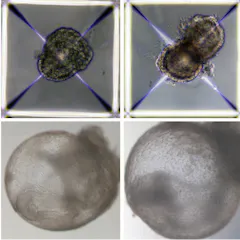
In a huge milestone, researchers have grown a mouse embryo entirely from stem cells. Could humans be next?
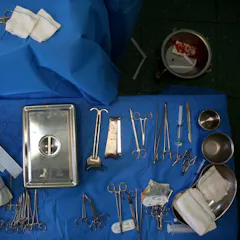
China’s industrial-scale organ trafficking practice has been executing prisoners of conscience and using their organs for transplantation for decades. This is known as forced organ harvesting.

Both Macron and Madonna have expressed concerns about genetic privacy. As DNA collection and sequencing becomes increasingly commonplace, what may seem paranoid may instead be prescient.
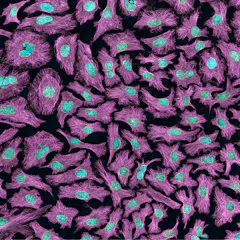
The immortal cancer cells of Henrietta Lacks revolutionized the fields of science, medicine and bioethics. And they still survive today, more than 70 years after her death.

The definition of personhood is a key and contested philosophical issue that has made legalized abortion such a longstanding controversy.
Top contributors
-

Chen Su Lan Centennial Professor in Medical Ethics, National University of Singapore; Distinguished Visiting Professor in Law, University of Melbourne; Uehiro Chair in Practical Ethics, The University of Melbourne
-
Professor of Bioethics and Humanities, School of Medicine, University of Washington
-
Lecturer in Bioethics, Monash University; The University of Melbourne
-
Distinguished Research Professor, Emerita, Dalhousie University
-
Associate Professor of Pediatrics, University of Cincinnati
-
Professor of Bioethics & Medicine, Sydney Health Ethics, Haematologist/BMT Physician, Royal North Shore Hospital and Director, Praxis Australia, University of Sydney
-
Assistant Professor in Biomedical Ethics, National University of Singapore
-
Professor of Medicine, Monash University
-
Lecturer in Philosophy, Fenner School of Environment and Society, Australian National University
-
Senior Research Fellow, Uehiro Centre for Practical Ethics, University of Oxford
-
Vanier Scholar and Ph.D. Candidate in Microbiology and Immunology, Dalhousie University
-
Research Fellow in Biomedical Ethics, The University of Melbourne
-
Honorary Professor Faculty of Health and Medical Science, Univeristy of Sydney; Senior Researcher Sydney Institue for Infectious Disease, University of Sydney., University of Sydney
-
Associate Professor of Health Care Ethics, Saint Louis University
-
Professor, Medical Ethics, Bond University