
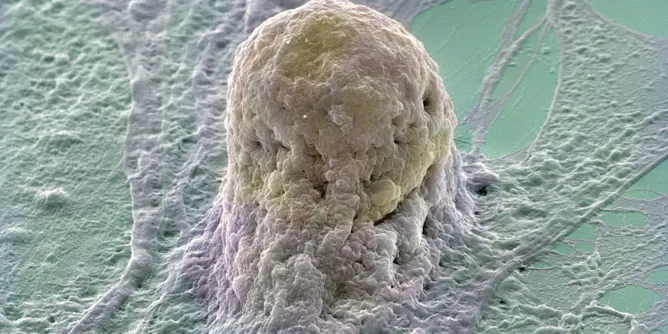
Stem cells offer an extraordinary toolkit for science and medicine. Researchers are getting better at turning these pluripotent cells into specialized tissues, including insulin-producing beta cells.
Articles on Beta cells
Displaying all articles

Genetics may only partially determine a newborn’s risk of developing Type 1 diabetes. Screening umbilical cord blood could lead to earlier treatments to prevent or reduce disease.

Type 2 diabetes is not uniform; it’s a mosaic of conditions, each with its own characteristics. Understanding these subtypes may improve treatment plans and help people manage their condition better.

In Canada, 14.4 per cent of South Asians have Type 2 diabetes, the highest prevalence of any other ethnic group in the country. Why is this population so disproportionately affected by diabetes?
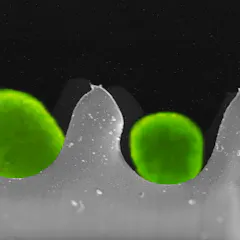
Doctors can treat diabetes by transplanting cells from the pancreas of a donor to the patient. But many of the crucial cells die - a better way to store and transport them can help.
Top contributors
-

Associate Professor, Department of Biology and Institute of Biochemistry, Carleton University
-
Lecturer in Macromolecular Chemistry, University of Freiburg
-
PhD Student, Biochemistry, Carleton University
-
Senior Scientist, Adelaide University
-
Professor of Polymer Chemistry, Queensland University of Technology
-
PhD Candidate, Department of Biology and Institute of Biochemistry, Carleton University
-
Professor Emeritus of Biomedical and Clinical Sciences, Linköping University
-
Assistant Research Scientist in Data Science and Microbiology, University of Florida
-
PhD student in Biology, Carleton University
-
Professor and Chair of Microbiology and Cell Science, University of Florida