
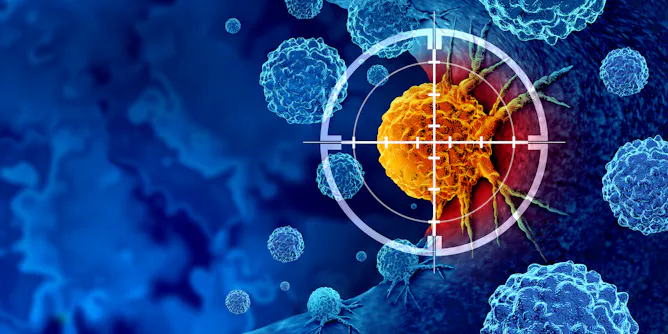
Around 97% of patients with advanced pancreatic cancer die within five years. Researchers have figured out a way to target the mechanism that makes these tumors so deadly.
Articles on Pancreas
Displaying 1 - 20 of 21 articles
Around 97% of patients with advanced pancreatic cancer die within five years. Researchers have figured out a way to target the mechanism that makes these tumors so deadly.

Genetics may only partially determine a newborn’s risk of developing Type 1 diabetes. Screening umbilical cord blood could lead to earlier treatments to prevent or reduce disease.

Pancreatic disease can be life threatening. Knowing the early warning signs and the lifestyle risks can help people seek help sooner.

A new drug hits pause on type 1 diabetes before symptoms even begin.

Type 1 diabetes develops when the body destroys its own insulin-producing cells. Using stem cells to replace them could be a way to get around donor shortages and transplant complications.

Type 2 diabetes is not uniform; it’s a mosaic of conditions, each with its own characteristics. Understanding these subtypes may improve treatment plans and help people manage their condition better.

Keeping human foods away from pets is one way to avoid emergency veterinary hospital runs during Christmas, Hanukkah, Kwanzaa or New Year’s.
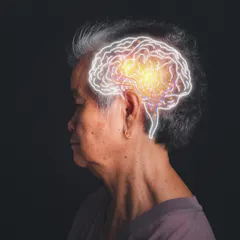
Impaired insulin receptors in the blood vessels between the blood and the brain may contribute to the insulin resistance observed in Alzheimer’s disease.

Proponents of intermittent fasting say the clock can help you win the battle of the bulge. But the science behind it is a little more complicated.
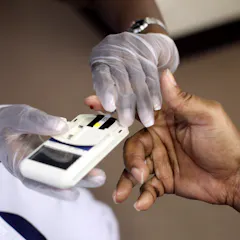
The present healthcare structure in Nigeria contributes to the suffering of people living with diabetes in the country.

A biomedical engineer explains the basic research that led to the discovery of insulin and its transformation into a lifesaving treatment for millions of people with diabetes.
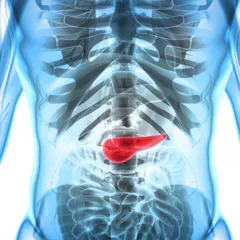
Pancreatic cancer currently has one of the least optimistic prognosis, with just 5% of patients surviving five years after diagnosis. A recent study opens a door to hope.

Alex Trebek announced this week that his pancreatic cancer is in remission. A pancreatic cancer specialist explains the difficulties of the disease as well as new treatment advances.
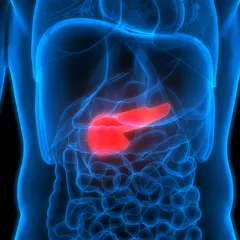
First, scientists wanted to decode all three billions units of the human genome. Now, a new effort will identify all the cell types in the human body to discover the roots of diseases, like diabetes.
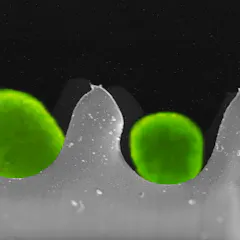
Doctors can treat diabetes by transplanting cells from the pancreas of a donor to the patient. But many of the crucial cells die - a better way to store and transport them can help.
Type 3c diabetes is quite common, but most doctors are missing it.
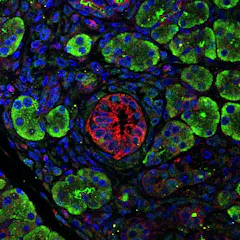
Pancreatic cancer has long been known as the “silent killer” but why is it so difficult to detect?
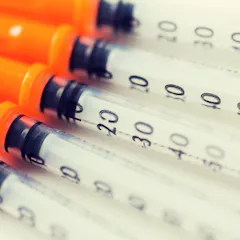
Type 2 diabetes is an epidemic in the US, and at some point, half of the 30 million people with diabetes will need insulin. That would be one thing if insulin were easy to dose, but it’s not.

Diabetes kills more people than breast cancer and AIDS, and Mary Tyler Moore was a fierce advocate for research to combat the disease. Here is why it’s important to know if you are prediabetic.
Top contributors
-

Professor of Medical Oncology, University of Colorado Anschutz
-
Professor and Medical Director of UF Diabetes Institute, University of Florida
-
PhD Student Studying Pancreatic Cancer, Cardiff University
-
Clinical academic, University of Exeter
-
Associate Professor, University of Michigan
-
NHMRC Senior Research Fellow in the School of Human Sciences, The University of Western Australia
-
Associate Professor, Department of Biology and Institute of Biochemistry, Carleton University
-
Lecturer in Macromolecular Chemistry, University of Freiburg
-
Assistant Professor of Nutritional Sciences, Oklahoma State University
-
PhD Student, Biochemistry, Carleton University
-
Clinical Assistant Professor of Veterinary Clinical Sciences, Oklahoma State University
-
Professeur, Université Laval
-
Professor of Biomedical Engineering, University of California, Irvine
-
PhD student, Université Laval
-
Professor of Medicine , University of Florida