
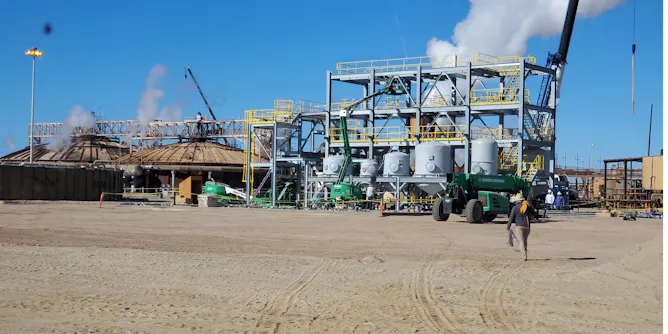
Lithium is essential for batteries that power electric vehicles and store energy from solar and wind farms. A new U.S. source could provide 10 times more lithium than the country uses today.
Articles on Batteries
Displaying 81 - 100 of 181 articles

A team of researchers found 35,000 pairs of existing reservoirs, lakes and old mines in the US that could be turned into long-term energy storage – and they don’t need dams on rivers.

Renewable energy is expanding at a record pace, but still not fast enough. Here are the key areas to watch for progress in bringing more wind and solar into the power grid in 2022.
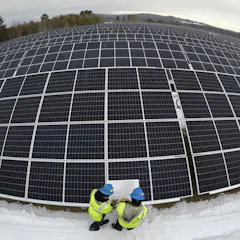
The US is generating more electricity than ever from wind and solar power – but often it’s not needed at the time it’s produced. Advanced energy storage technologies make that power available 24/7.
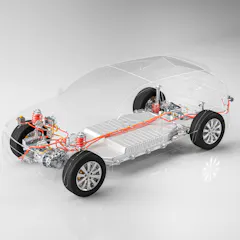
Some lithium-ion batteries can now propel a car 250 miles on a ten-minute charge.
With an average shelf life of nine years, the coming tsunami of waste EV batteries needs action now.
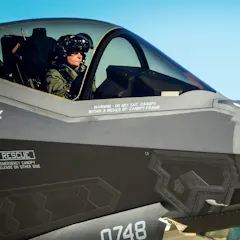
Right now, the nation is almost entirely dependent on other countries for minerals that are used in everything from wind turbines to strike fighters and satellites.
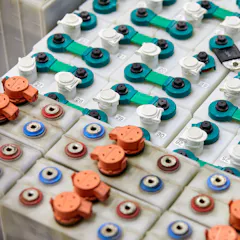
Britain’s electricity sector continues to decarbonise, but its capacity to store energy lags far behind.

What was a feature of power stations such as Yallourn has become a bug.
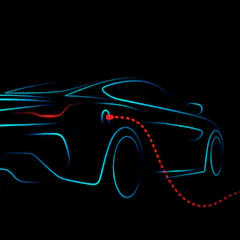
Batteries that can be fully charged in just five minutes may soon be a reality.
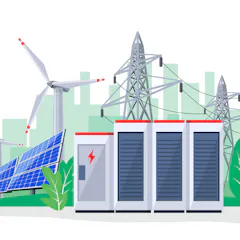
A planned battery project in Essex will be ten times larger than the UK’s current biggest battery.

Companies can’t verify that their source didn’t involve artisanal mining. A discussion over responsible sourcing strategies and practices is needed.
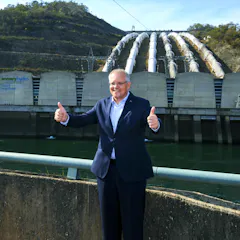
It’s a big-engineering solution that costs twice as much the equivalent amount of batteries.

Batteries power much of modern life, from electric and hybrid cars to computers, medical devices and cellphones. But unless they’re made easier and cheaper to recycle, a battery waste crisis looms.
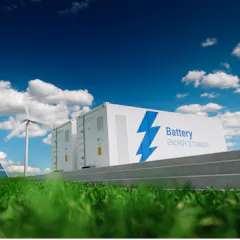
Grid-scale batteries could be at least double the cost of those in electric vehicles.
EVs will have lower sticker prices than gas vehicles when batteries are cheaper. Getting there comes down to knowing where to cut costs.
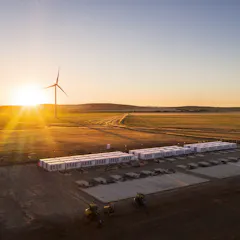
A new technology for rechargeable batteries overcomes many of the problems with the ones we use today.

Small regional flights will soon start going electric but batteries are unlikely to ever fully power large airliners.
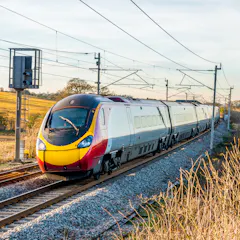
The future of zero-carbon transport starts today. First stop, Britain’s railways.

Long before Apple vs. Microsoft or Facebook vs. Google, there was Edison vs. Westinghouse.
Top contributors
-

Director of Energy Lancaster and Professor of Physical Chemistry, Lancaster University
-
Co-Founder at Relectrify | Graduated PhD in Battery Storage, The University of Melbourne
-
Research Group Leader & Senior Research Scientist, CSIRO
-
Professor of Energy and Environmental Economics and International Affairs, Penn State
-
Senior Lecturer, Department of Economics, Macquarie University
-
Professor of Sustainability, Curtin University
-
Associate Professor in Energy and Power Systems; Co-Director - Future Energy, University of Tasmania
-
University of Southern Queensland
-
Research Fellow, Curtin University
-
Professor, Kyoto University
-
Associate Professor of Mechanical Engineering, Carnegie Mellon University
-
Ph.D. Candidate in Mechanical Engineering, Carnegie Mellon University
-
Professor of Science Communication and Chemistry, University of Hull
-
Senior Research Fellow, College of Engineering and Computer Science, Australian National University
-
Researcher, National Renewable Energy Laboratory