
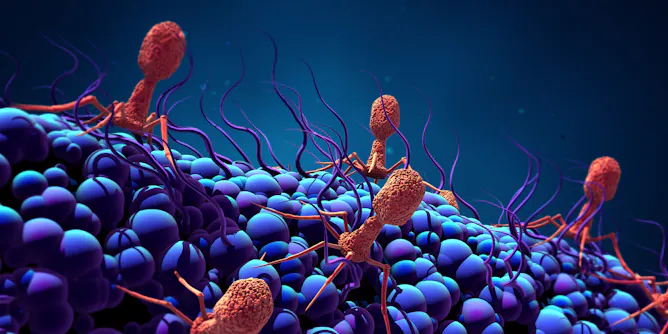
Phages, or viruses that infect bacteria, can lie dormant within chromosomes until they’re triggered to replicate and burst out of their hosts.
Articles on Bacteria
Displaying 161 - 180 of 458 articles
Food safety experts explain the risks of turning the fridge temperature up (or even turning the fridge off) to save energy.
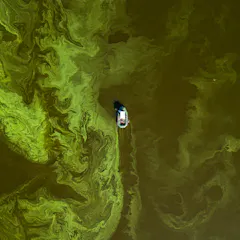
Windermere has seen extensive algal blooms, attracting attention over its ecological consequences. But this is nothing new.

Listeria causes serious illness and food recalls nearly every year.
Fresh sweat doesn’t have a smell. It’s the bacteria that feast on sweat that cause the bad smell.
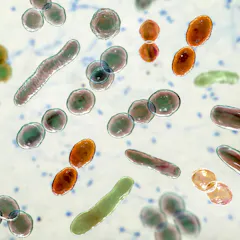
The types of microbes residing in your gut can affect your mental and physical health. Home microbiome tests promise to help consumers improve the composition of their gut microbes.
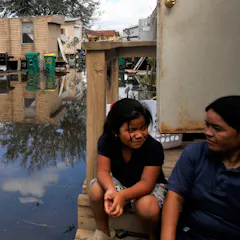
It’s not just mosquitos. Flooding, extreme heat and other climate-related hazards are bringing people into contact with pathogens more often, and affecting people’s ability to fight off disease.

Current expiration date system leads to confused consumers and wasted food.
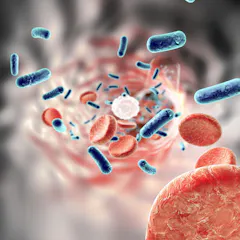
Sepsis onset can be difficult to recognize, in part because its symptoms can mimic those of many other conditions. A treatment delay of even a few hours can make the difference between life and death.

When humans eat fish, mussels and other foods containing antibiotics, the residual antibiotics may cause bacterial pathogens to become resistant.
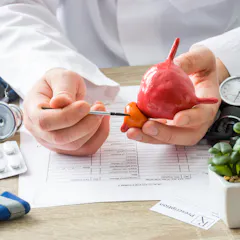
New research shows five bacteria are associated with an increased risk of aggressive prostate cancer.
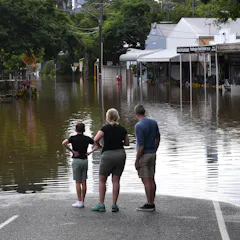
If you’re tempted to wade into flood waters for fun, don’t. It not only risks your immediate safety, it’s also a threat to your health.
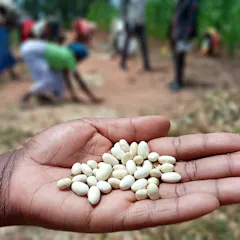
Reviving long-lost legume species could help improve global food security and decrease world hunger.

A billion-year-old ‘hydrogen economy’ in the frozen soil of Antarctica provides bacteria with energy, water, and the carbon that makes up their bodies.
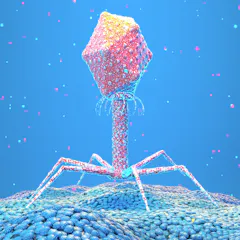
Viruses have gotten a bad rap for the many illnesses and pandemics they’ve caused. But viruses are also genetic innovators – and possibly the pioneers of using DNA as the genetic blueprint of life.
We have trillions of microbes in our gut – and each do something different for our body.
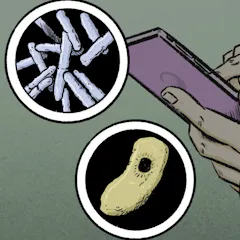
Watch Lotti Tajouri explain how mobile phones are vectors for bacteria and viruses, why this is a problem in our hospitals, and how you can sanitise your phone to help stop the spread of disease.
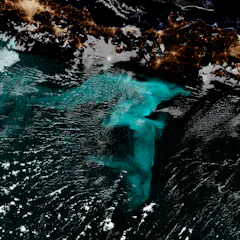
When conditions are just right in some parts of the Indian Ocean, a type of bacteria will multiply and start to glow. Satellites are helping scientists study these milky seas for the first time.

How do organisms survive extreme conditions – and how can their adaptations help us develop better technology?
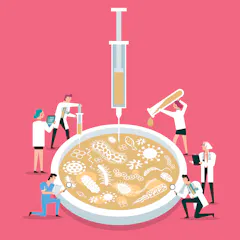
Antibiotic resistance is one of the biggest public health threats in the world. New research, however, may have found a way to keep up with rapidly evolving bacteria.
Top contributors
-

Senior Lecturer in Clinical Microbiology, University of Leicester
-
Professor of Biological Sciences, University of Maryland, Baltimore County
-
Senior Lecturer, Medical Microbiology, University of Westminster
-
Senior Lecturer in Pharmaceutical Sciences, RMIT University
-
Senior Research Fellow, School of Medicine, The University of Western Australia
-
Professor, Microbiology, Monash University
-
Professor, The University of Queensland
-
Senior Lecturer in Biology, Brunel University of London
-
Research Associate in Microbiology, University of Guelph
-
Associate Professor and Clinical Academic Gastroenterologist, Western Sydney University
-
Professor of Food Science, Clemson University
-
Professor of Infectious Diseases and Microbiology, Australian National University
-
Lecturer in Microbiology, Cardiff Metropolitan University
-
Professor of Microbiology, Swinburne University of Technology
-
Prof. Institute for Molecular Bioscience, The University of Queensland