
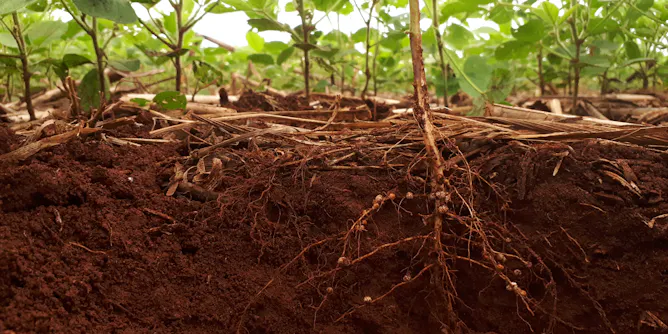
New technology could unlock the soil-enriching nitrogen-fixing ability of legumes…and one day apply this to other crops too.
Articles on Bacteria
Displaying 101 - 120 of 458 articles
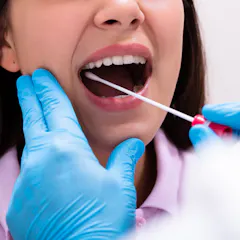
Your mouth and your gut is full of them. But we don’t know if they’re friend or foe.

Much like our gut microbes, the community of microbes used to process human waste must be healthy to do the job well. Monitoring the DNA in waste sludge can help us ensure the system stays healthy.

Keeping wounds clean and infection free has challenged people for thousands of years.

While every week or two will generally suffice for sheets, towels are best washed every few days. A microbiologist explains.

Zosurabalpin is highly effective against dangerous bacterium Crab, which can kill up to 60% of people infected with it.

The current treatments for inflammatory bowel disease do not work for everyone. Tapping into new areas of biology may be the key to developing new therapies.

Probiotics are great for your gut, but which sources contain the most beneficial bacteria? Newly developed sensors are helping scientists figure it out.
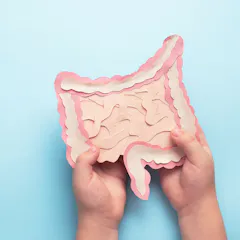
Gut bacteria consume the nutrients that harmful pathogens need to survive, thereby keeping them in check, a new study finds.

The contrasting realities of antimicrobial resistance between high-income countries and low- and middle-income countries demands international co-operation to effectively fight superbugs.
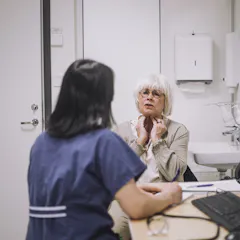
Australia is one of the highest users of antibiotics in the developed world. So when do we actually need antibiotics to treat an infection? And when should we avoid them?

We’ve all heard of antibiotic resistance. The same thing is happening with other causes of infections in humans: fungi, viruses and parasites. This is making thrush and other infections hard to treat.

Developing new antibiotics is important in the fight against antibiotic resistance. But we also need to use the antibiotics we already have much more wisely – GPs play a major role in this.

The meadow spittlebug can transmit a deadly bacterium – many plants in Britain could be at risk.

Blood isn’t sterile, and analyzing the bacteria in it could help assess the health of fish and prevent the collapse of their populations.

Antibiotics have been around for less than a century. But as resistant bacteria become increasingly difficult to treat, we risk a greater number of deaths from infections.
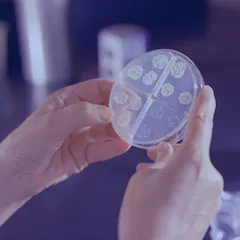
Resistance arises when bacteria are exposed to levels of antibiotics that don’t immediately kill them. Here’s how.

‘Living materials’ made with genetically engineered bacteria and Jell-O-like gel could make pollutants in water bodies nontoxic.
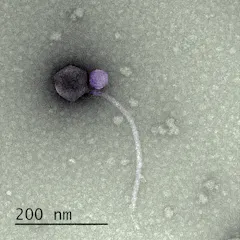
Researchers discovered a satellite virus latching onto the neck of another virus called MindFlayer. Studying the viral arms race between similar viruses could lead to new ways to fight infections.

‘Fried rice syndrome’ refers to food poisoning from a bacterium called Bacillus Cereus, which becomes a risk when cooked food is left at room temperature for too long.
Top contributors
-

Senior Lecturer in Clinical Microbiology, University of Leicester
-
Professor of Biological Sciences, University of Maryland, Baltimore County
-
Senior Lecturer, Medical Microbiology, University of Westminster
-
Senior Lecturer in Pharmaceutical Sciences, RMIT University
-
Senior Research Fellow, School of Medicine, The University of Western Australia
-
Professor, Microbiology, Monash University
-
Professor, The University of Queensland
-
Senior Lecturer in Biology, Brunel University of London
-
Research Associate in Microbiology, University of Guelph
-
Associate Professor and Clinical Academic Gastroenterologist, Western Sydney University
-
Professor of Food Science, Clemson University
-
Professor of Infectious Diseases and Microbiology, Australian National University
-
Lecturer in Microbiology, Cardiff Metropolitan University
-
Professor of Microbiology, Swinburne University of Technology
-
Prof. Institute for Molecular Bioscience, The University of Queensland