

What is melioidosis, and why are we seeing a spike in cases now? A microbiologist explains.
Articles on Bacteria
Displaying 61 - 80 of 458 articles
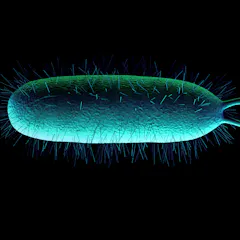
‘Extremophile’ bacteria can survive extreme cold, heat, acidity and pressure.

Synthetic cells that look just like natural cells but are chemically reversed could outcompete other living organisms − with dire consequences for human health and the environment.
Marketers want us to be worried about smelly intimate parts. The thing is, they are mostly self-cleaning.

A new bill looking to control antibacterials in everyday products was recently debated in the House of Lords.

Disease-causing bacteria, fungi and viruses have been found everywhere in the gym – including on floors, door handles, weights, treadmills and exercise mats.
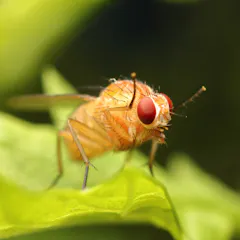
Fruit flies have contributed to some of the most important scientific discoveries over the last century. They should be celebrated – not sprayed.
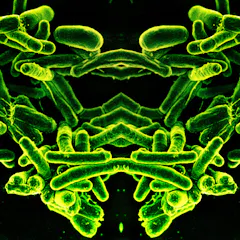
Bacteria that are mirror images of existing ones could evade our immune systems, causing serious illness.

Plastic debris in the sea hosts the plastisphere, a whole new microbial ecosystem.
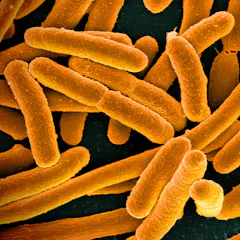
Certain strains of E. coli tucked in a gel can crowd out the microbes that cause urinary tract infections.
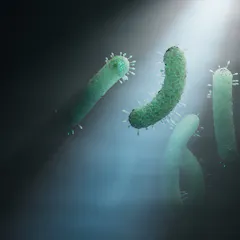
By analyzing the resistance genes and proteins of E. coli, researchers can optimize treatments to address both current and future antimicrobial resistance.

Every time you shower, you are coating yourself with the showerhead bacteria and the viruses that prey on them.

A new survey also found women were more likely than men to wash their hands before touching food – and after using the toilet.

Changes to the bacterial balance in the mouth can trigger inflammation and other harmful effects in the body.

Imbalances in different species of bacteria in a baby’s gut may provide insights into their neurodevelopment.
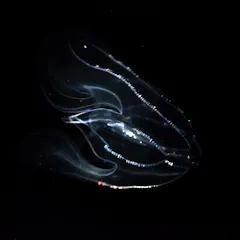
A new database documents 16,000 proteins from deep-sea organisms that could yield new inventions.

New techniques monitor the health of lakes in real time by analyzing their microbiome to anticipate and respond to environmental threats such as cyanobacteria.

You might expect scavengers such as vultures to have a diet high in dangerous bacteria. Our study investigated what defences these animals have to help them stay healthy.

The rise of ‘pyrokaryotes’ could reduce the availability of fish humans eat, and hamper the ocean’s ability to absorb carbon emissions.

A new antibiotic attacks bacteria on two fronts, making it difficult for them to evolve resistance.
Top contributors
-

Senior Lecturer in Clinical Microbiology, University of Leicester
-
Professor of Biological Sciences, University of Maryland, Baltimore County
-
Senior Lecturer, Medical Microbiology, University of Westminster
-
Senior Lecturer in Pharmaceutical Sciences, RMIT University
-
Senior Research Fellow, School of Medicine, The University of Western Australia
-
Professor, Microbiology, Monash University
-
Professor, The University of Queensland
-
Senior Lecturer in Biology, Brunel University of London
-
Research Associate in Microbiology, University of Guelph
-
Associate Professor and Clinical Academic Gastroenterologist, Western Sydney University
-
Professor of Food Science, Clemson University
-
Professor of Infectious Diseases and Microbiology, Australian National University
-
Lecturer in Microbiology, Cardiff Metropolitan University
-
Professor of Microbiology, Swinburne University of Technology
-
Prof. Institute for Molecular Bioscience, The University of Queensland