
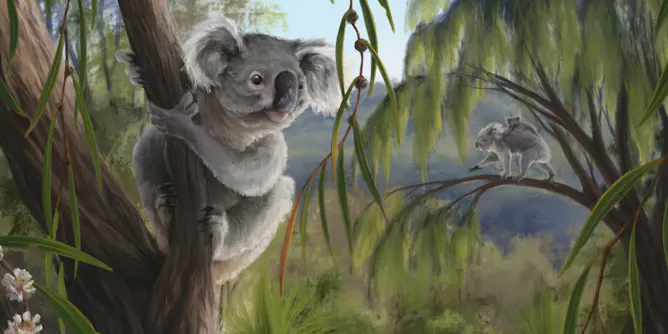
An extinct koala species has been discovered in Western Australia. Climate change 28,000 years ago erased its habitat.
Articles on Australian wildlife
Displaying 1 - 20 of 29 articles

Australia’s huge diversity of reptiles could be at risk from new fungal diseases.
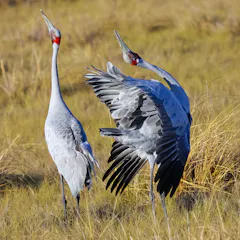
It’s entirely possible to see shy mountain pygmy-possums, alpine dingoes or furry cuscus with your own eyes – if you know where to go and how to look.
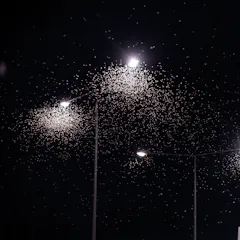
Artificial lights at night are causing serious disruption to these insect night shift workers. That’s a problem for everyone.
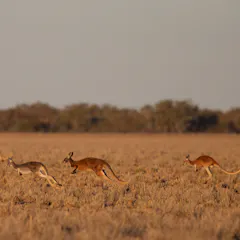
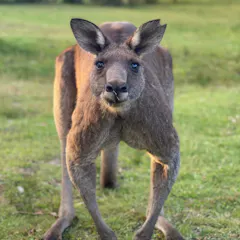
Have you ever paused to think about the athletic abilities of Australian wildlife? Let’s look at some of our best competitors and how might they fare in a contest against humans and overseas entrants.

Many in the wider community still see sugar gums as risky trees that drop dangerous branches. But there is much to appreciate and admire about Eucalyptus cladocalyx.
The Marsupial Microbiome Poop Troop collects the droppings of wild marsupials to help save the lives of orphaned joeys.
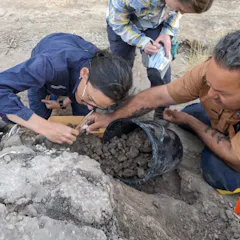
The bones of the animal were found eroding from the ground. After careful analysis, it will be reburied on Country.

Echidnas are seemingly everywhere in Australia, from the Red Centre to snowy mountains. And that’s just the start of what makes them interesting
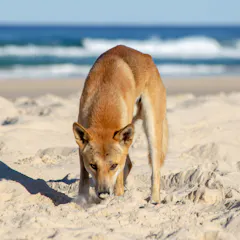
When we co-exist with predators, it’s inevitable to have dangerous encounters, especially when they’re habituated to people.
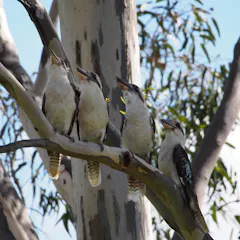
The planet is entering its sixth mass extinction event. This global nature summit is our best change to stop this tide of destruction.
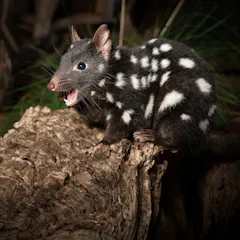
The 1878, the body of Sergeant Michael Kennedy lay in the bush in Victoria’s Wombat Ranges. He’d been shot by the notorious Ned Kelly gang – but the bush would add its own gruesome ending.
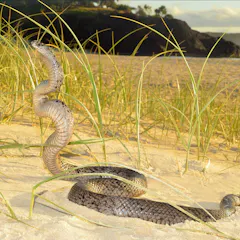
Over 150 types of venomous snake live in Australia. But deaths from snakebite are vanishingly rare. From snake behaviour to human innovation, here are the reasons why.
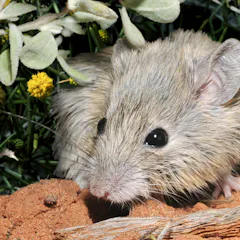
The remaining populations are threatened by a lack of genetic diversity, which makes them less likely to bounce back from new pressures such as climate change.

Research into fox scents suggests a complex form of ‘chemical communication’ underlies the animal’s behaviour. The findings could help improve pest control methods and protect native wildlife.
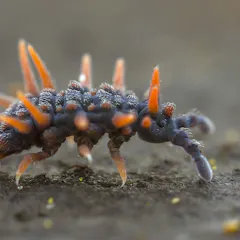
Australia’s invertebrates have an ancient lineage and a fascinating evolution. Get up close with macrophotography to discover tiny, unique animals you’ve probably never seen before.
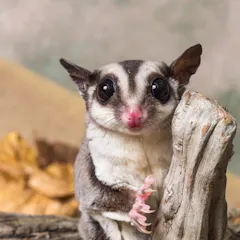
The sugar glider is an icon of the Australian bush. But discovering it’s actually three distinct species has big consequences for its conservation.

We have transformed the night-time environment in a very short time, relative to evolutionary timescales. Most wildlife hasn’t had time to adjust.
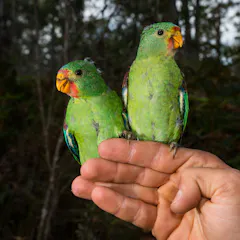
Australia’s threatened birds have declined by 59%, on average, between 1985 and 2016 based on 400,000 surveys at more than 17,000 locations according to Australia’s world-first Threatened Bird Index.
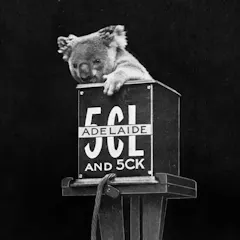
When the ABC began screening local wildlife television, it helped create a new environmental nationalism, implicating audiences in the survival of Australian animals.
Top contributors
-

Professor in Wildlife Ecology and Conservation, School of Life & Environmental Sciences, Deakin University
-
Research Manager, Melbourne Clinical And Translational Sciences, The University of Melbourne
-
Assistant Professor in Evolutionary Biomechanics, University of the Sunshine Coast
-
Professor of Environmental Management, The University of Queensland
-
Emeritus Professor in Animal Behaviour, University of New England
-
Vice Chancellor's Research Fellow in Ecology and Entomology, Edith Cowan University
-
PhD candidate, Centre for Integrative Ecology, Deakin University
-
Senior Lecturer, Public Sector Management, School of Business, UNSW
-
Professor, Research Institute for Environment & Livelihoods, Charles Darwin University, Charles Darwin University
-
Adjunct Lecturer/ Ecologist, University of New England
-
Professor in Terrestrial Ecology, Deakin University
-
Professor in Conservation Science, School of the Environment, The University of Queensland
-
Leader, Science Communication Teaching Program, The University of Melbourne
-
Research Affiliate, Discipline of History, University of Sydney
-
Honorary Research Fellow, University of Sydney