
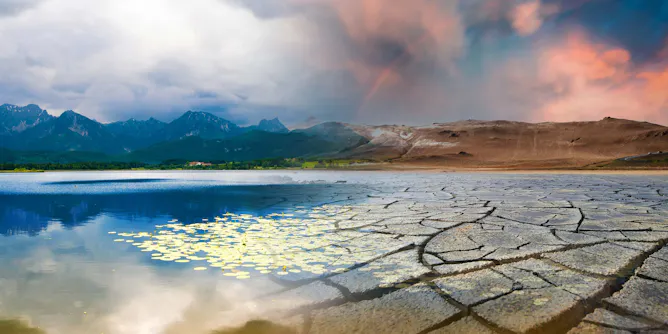
A new study shows that rising ‘atmospheric thirst’ is responsible for about 40% of the increase in drought severity over the last four decades.
Articles on Atmospheric science
Displaying 21 - 40 of 144 articles
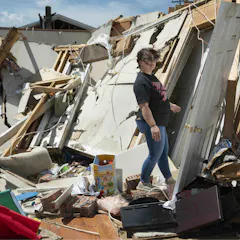
A storm scientist explains what’s been driving deadly tornado outbreaks and how tornado season has been changing.
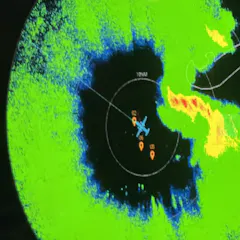
A meteorologist explains three essential components of NOAA hurricane data collection that forecasters everywhere rely on yet are being targeted for federal cuts.
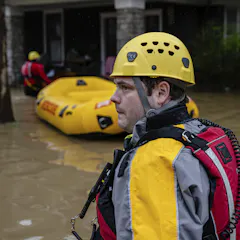
Rising global temperatures increase the risk of extreme downpours, as a climate scientist explains.
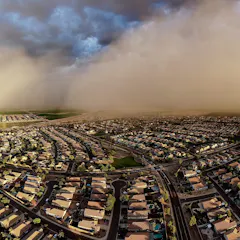
One long line of powerful winds can whip up dust storms, spread wildfires, spin up tornadoes and fuel blizzards – all at the same time across different states.
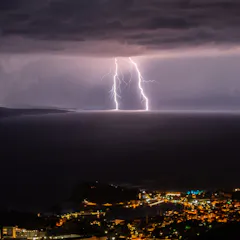
An unplanned experiment takes scientists closer to solving a long-standing mystery: To what extent, if any, have human-created emissions influenced thunderstorms?

Puffy to wispy, barely there or dark and menacing, clouds come in many shapes and sizes. Each tells a story about what’s going on in the atmosphere.
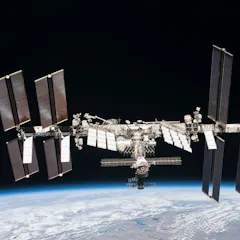
The International Space Station is an engineering feat that has led to countless scientific discoveries. Like the thousands of satellites in orbit, it manages to stay up in the atmosphere.

A powerful storm hitting the West Coast combines these phenomena for a wet week of erratic weather, as a meteorologist explains.

These powerful ‘rivers in the sky’ provide a huge share of annual precipitation in many regions, including California. They can also melt sea ice, with global climate implications.
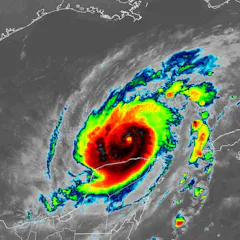
Milton’s fast spin-up in the Gulf of Mexico was one of the most rapid intensifications on record. Two scientists who study hurricanes explain why this happens and what’s changing.

Helene’s size and speed worsened everything from its storm surge to its extreme flooding in the mountains. And another hurricane was coming right on Helene’s heels.
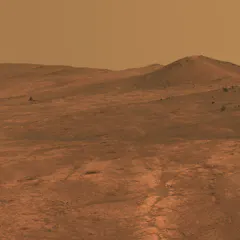
Before sending humans to Mars, NASA will first return humans to the Moon’s surface to test its technology and train astronauts.

As a record-hot summer comes to a close, an atmospheric scientist explains how global warming drove long periods of extreme heat.
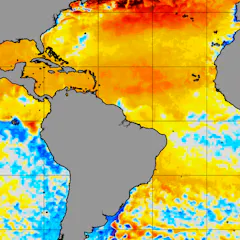
It’s rare to see both Nina’s at the same time, but both appeared to be developing in 2024. That could help soften hurricane season, but don’t bet on it.
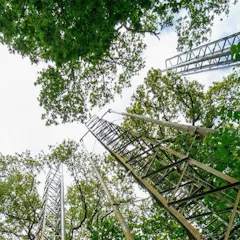
But this is no long-term solution for storing carbon.
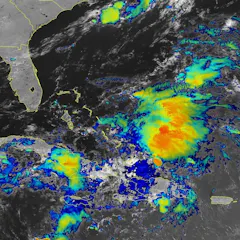
New techniques are helping forecasters spot potentially dangerous storms earlier than ever.
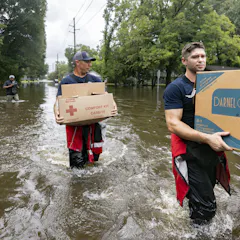
With Debby’s storm track, much of the East Coast is forecast to get soaked. Climate change also plays a role in the downpours.
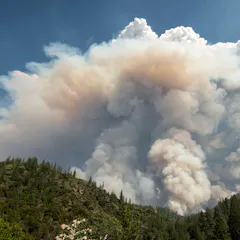
Fire-produced thunderstorms and tornado-like fire whirls are more common than anyone realized, as high-resolution satellite images and data now show.
To understand how tornadoes behave, scientists need to be near the storm. The movies get some of it right.
Top contributors
-

Professor of Geology and Environmental Geosciences, University of Dayton
-
Professor of Atmospheric Science, Colorado State University
-
Research Group Leader, CSIRO
-
Honorary Fellow, CSIRO
-
Professor of Climate Science, UMass Lowell
-
Professor of Atmospheric Sciences, Climate Change Research Centre, UNSW
-
Meteorologist and Research Program Manager, University of Wisconsin-Madison
-
Atmospheric Science Educator, Georgia Institute of Technology
-
Distinguished Professor of Meteorology, Penn State
-
Ph.D. Student in Atmospheric Science, University of Michigan
-
Professor of Geography, University of Tennessee
-
Professor of Atmospheric Science, University at Albany, State University of New York
-
Assistant Professor of Geography, Middle Tennessee State University
-
Professor of Atmospheric Science, Iowa State University
-
Professor Emeritus of Climate and Space Sciences and Engineering, University of Michigan