
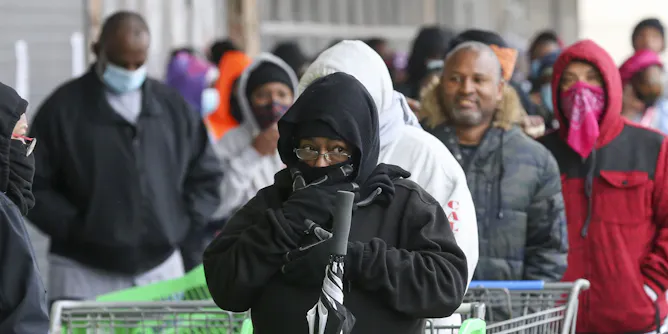
Counter to what you might expect, events like the February cold wave that froze Texas can actually become more likely with global warming.
Articles on Atmospheric science
Displaying 81 - 100 of 144 articles
The Rev. Sereno Edwards Bishop mobilized ship captains to track the extraordinary sunsets appearing around the world after Krakatau erupted in 1883.
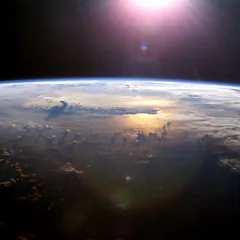
When heat in doesn’t equal heat out, Earth sees changes.

Scientists are building a pollen forecasting model using meteorology, botany, pollen count numbers and satellite imagery to help people plan ahead.
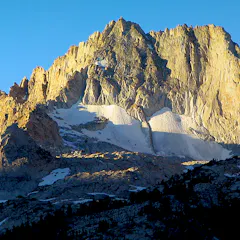
As rivers run dry in the Rocky Mountains and the West, it’s easy to wonder where all the snow you see on mountain peaks goes. Some of it ends up in the air, but researchers aren’t sure how much.
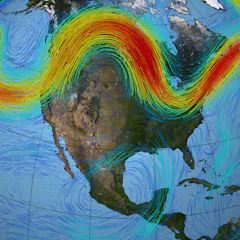
Rain near Japan triggered a heat wave in North America. To know our future, we have a lot to learn about what drives extreme weather.
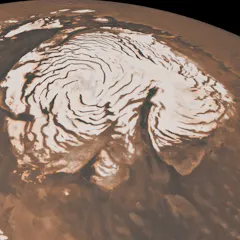
New results show why and how water is disappearing from Mars atmosphere.
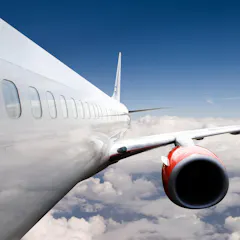
Soot from aeroplane exhausts can linger in the atmosphere, seeding ice clouds which trap heat.
Is it time to take drastic steps to modify Earth’s climate to avoid catastrophic warming? A panel of experts says the idea deserves study.
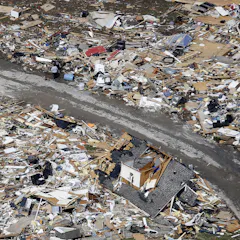
With the onset of spring come thunderstorms, and sometimes tornadoes. Learn how these systems form and why night tornadoes are especially deadly.
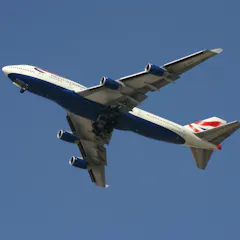
When planes fly from east to west, they are flying against a river of air called a jet stream. These air currents can make your flight longer or shorter, depending on which way you are going.
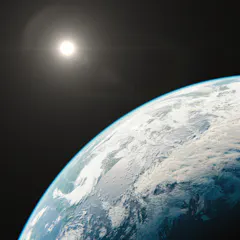
Sudden warming more than 10 km above the north pole can mean sudden freezing down here.
Thousands of chemical compounds in wildfire smoke are interacting with each other and sunlight as the smoke travels. For people downwind, it can become more toxic over time.

Molina, who died on Oct. 8, ‘thought climate change was the biggest problem in the world long before most people did.’ His research on man-made depletion of the ozone layer won the 1995 Nobel Prize.
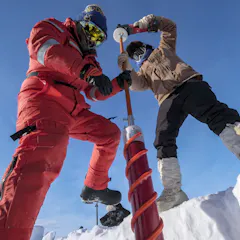
Ice cores can preserve evidence of ‘black swan’ events like pandemics and droughts, but the glaciers from which they are collected are disappearing.
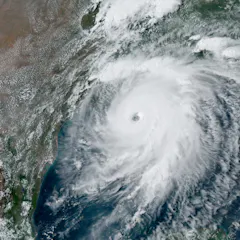
Laura went from a tropical storm to a major hurricane in less than 24 hours, sending coastal residents scrambling to prepare. Hurricanes Harvey and Michael exploded in strength in similar ways.
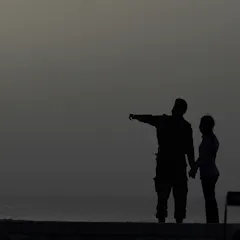
From June through October, it’s not unusual for huge Saharan dust plumes to blow across the Atlantic. They can darken skies but also bring calmer weather and electric sunsets. Here’s how they form.
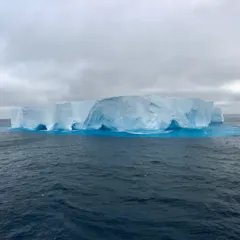
Climate models have been overestimating how much sunlight hits the Southern Ocean. This is because the clouds there are different from clouds anywhere else. Bacterial DNA helped us understand why.
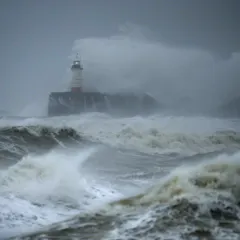
Wind travels all over the world. Where does it come from, and why?
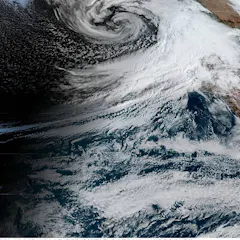
Earth’s biggest rivers are streams of warm water vapor in the atmosphere that can cause huge rain and snowfall over land. Climate change is making them longer, wetter and stronger.
Top contributors
-

Professor of Geology and Environmental Geosciences, University of Dayton
-
Professor of Atmospheric Science, Colorado State University
-
Research Group Leader, CSIRO
-
Honorary Fellow, CSIRO
-
Professor of Climate Science, UMass Lowell
-
Professor of Atmospheric Sciences, Climate Change Research Centre, UNSW
-
Meteorologist and Research Program Manager, University of Wisconsin-Madison
-
Atmospheric Science Educator, Georgia Institute of Technology
-
Distinguished Professor of Meteorology, Penn State
-
Ph.D. Student in Atmospheric Science, University of Michigan
-
Professor of Geography, University of Tennessee
-
Professor of Atmospheric Science, University at Albany, State University of New York
-
Assistant Professor of Geography, Middle Tennessee State University
-
Professor of Atmospheric Science, Iowa State University
-
Professor Emeritus of Climate and Space Sciences and Engineering, University of Michigan