
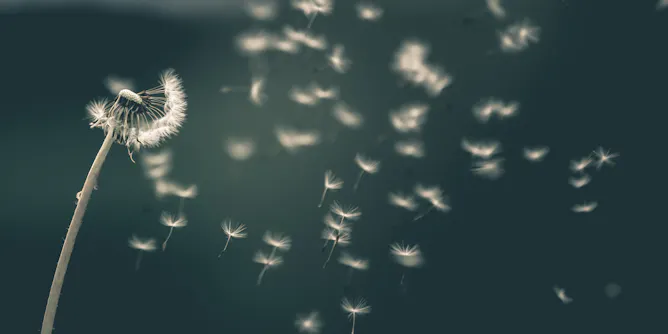
It can be disruptive or refreshing, and we feel it every single day. But do you ever stop to think what creates wind on our planet?
Articles on Atmospheric science
Displaying 61 - 80 of 144 articles

Millions of people around the world suffered through deadly flooding and long-lasting heat waves in 2022. A climate scientist explains the rising risks.
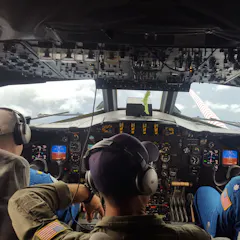
The meteorologist leading NOAA’s 2022 hurricane field program describes flying through eyewalls and the technology in these airborne labs for tracking rapid intensification in real time.

Millions of people around the world suffered through long-lasting heat waves and deadly flash flooding in the summer of 2022. A climate scientist explains the rising risks.
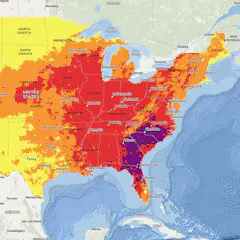
Heat domes are a dangerous part of summer weather.

You can’t photograph the inside of a twister, but radar offers some clues.
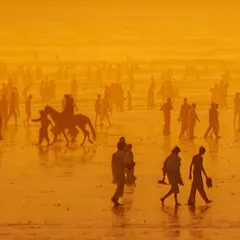
If fossil fuel burning stopped, emerging research suggests air temperatures could level off sooner than expected. But that doesn’t mean the damage stops.
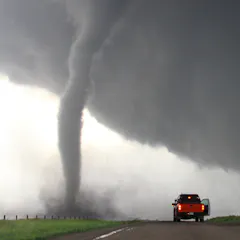
Studies show tornadoes are getting more common and more intense, and they’re shifting eastward to a new tornado hot spot.
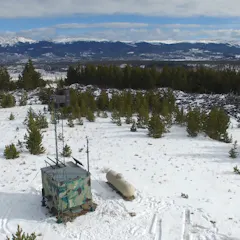
Several states are experimenting with weather modification to try to generate snow as water supplies shrink. An atmospheric scientist explains the history behind it – and the challenges.
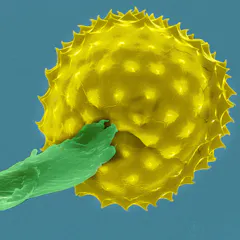
Rising temperatures mean longer, earlier pollen seasons, but the bigger problem is what carbon dioxide will do to the amount of pollen being released. A 200% increase is possible this century.
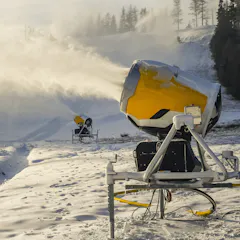
Snowmaking machines can produce enough snow to cover a run, but artificial snow is very different from natural flakes that fall from the sky.
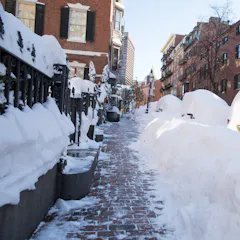
Winters are getting warmer, yet Bostonians were digging out from nearly 2 feet of snow from a historic blizzard in late January. Why is the Northeast seeing more big snowstorms like this?
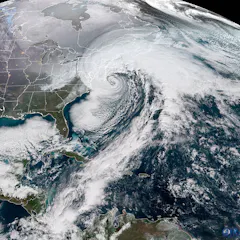
The key ingredients for a storm to undergo bombogenesis are an unstable atmosphere, temperature differences and high-speed winds in the upper atmosphere.
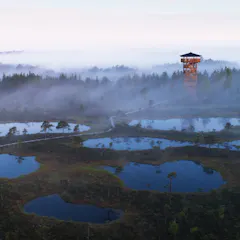
Recent estimates put atmospheric methane at 1,900 parts per billion – close to triple its pre-industrial average.
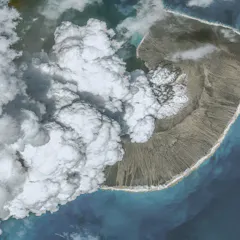
A phenomenon first theorized over 200 years ago is also a telltale sign of nuclear tests.
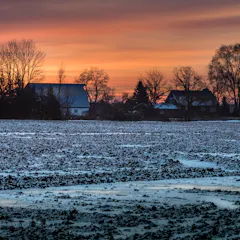
The winter solstice is past, but bundle up – January is when winter really arrives in many parts of the Northern Hemisphere.
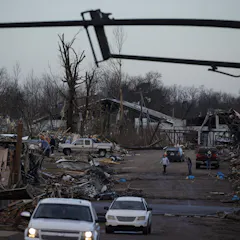
Tornadoes in December aren’t unusual in the Gulf Coast and lower Mississippi Valley states, but the Dec. 10-11 outbreak was extreme and far-reaching.
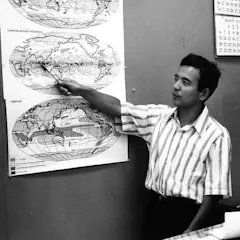
A 1967 study by Nobel-winner Syukuro Manabe changed climate science forever
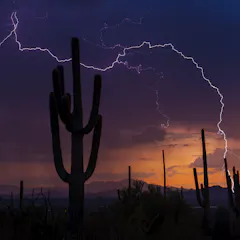
Monsoons are weather patterns that bring thunderstorms and heavy rains to hot, dry areas when warm, moist ocean air moves inland. They’re challenging to forecast, especially in a changing climate.
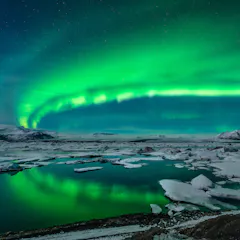
Depending on who you ask, the northern lights may, very occasionally, sound like ‘rustling silk’ or ‘two planks meeting flat ways’.
Top contributors
-

Professor of Geology and Environmental Geosciences, University of Dayton
-
Professor of Atmospheric Science, Colorado State University
-
Research Group Leader, CSIRO
-
Honorary Fellow, CSIRO
-
Professor of Climate Science, UMass Lowell
-
Professor of Atmospheric Sciences, Climate Change Research Centre, UNSW
-
Meteorologist and Research Program Manager, University of Wisconsin-Madison
-
Atmospheric Science Educator, Georgia Institute of Technology
-
Distinguished Professor of Meteorology, Penn State
-
Ph.D. Student in Atmospheric Science, University of Michigan
-
Professor of Geography, University of Tennessee
-
Professor of Atmospheric Science, University at Albany, State University of New York
-
Assistant Professor of Geography, Middle Tennessee State University
-
Professor of Atmospheric Science, Iowa State University
-
Professor Emeritus of Climate and Space Sciences and Engineering, University of Michigan