
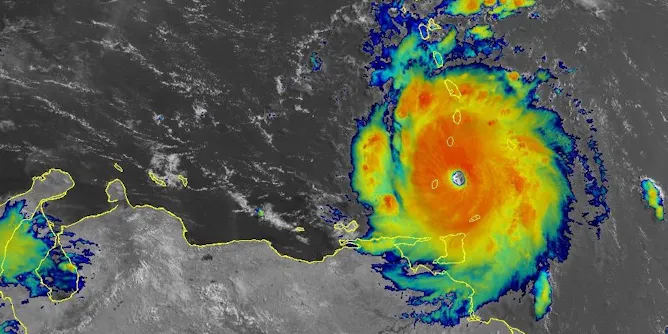
Beryl’s strength and rapid intensification set records, raising alarms about what’s already expected to be a very active Atlantic hurricane season, as a meteorologist explains.
Articles on Atmospheric science
Displaying 41 - 60 of 144 articles

An atmospheric scientist explains how hail forms and what to do if you’re suddenly being pelted by giant ice chunks falling from the sky.
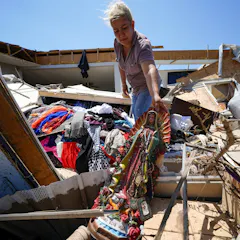
Spring 2024 was menacing for large parts of the US, with a tornado nearly every day in May. Tornado outbreaks tore up communities across multiple states.
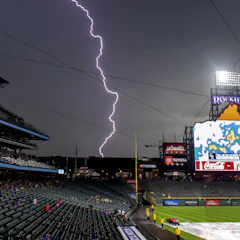
What really happens when lightning strikes cars, what to do if you’re out in the open or on a beach, and other tips.
The most comprehensive assessment yet of a powerful greenhouse gas shows which countries are driving the increase, and which ones are successfully cutting emissions.
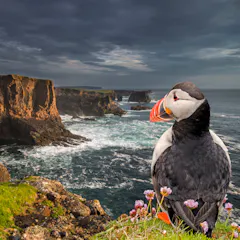
A weather station in the Shetland Islands has one of the world’s best-preserved long records of atmospheric electricity.
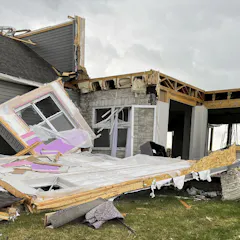
A powerful storm system produced dozens of destructive tornadoes over three days that tore apart homes in Oklahoma, Nebraska and Iowa. A meteorologist explains the conditions that fueled them.
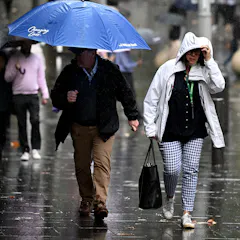
You might be wondering: what is a ‘Black Nor'easter’, what’s causing all this rain and does it have anything to do with climate change? Here’s what you need to know.
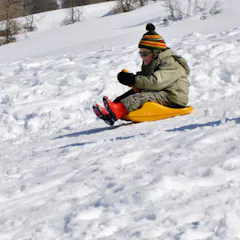
There are an infinite number of paths an ice crystal can take before you touch it.
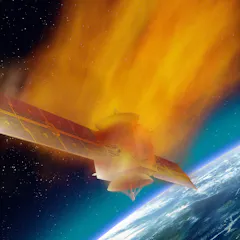
We know particles from spacecrafts are in the stratosphere. But what this means for the ozone layer or the climate is still unknown.

A surprising number of new consumer tech products promise to improve air quality.
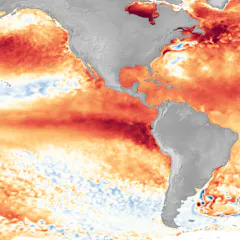
An atmospheric scientist explains how El Niño works, this year’s oddities and why this phenomenon doesn’t last long.

There’s a rule of thumb that rainfall intensity increases by about 7% per degree Celsius as temperatures rise. But the increase is much higher in the mountains, scientists found.
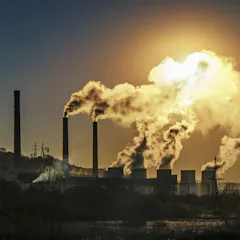
An expert in atmospheric science sheds light on Earth’s energy imbalance and its consequences for humankind.
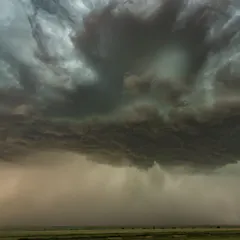
Cloud seeding – spraying materials into clouds to increase precipitation – has been around for nearly 80 years. But only recently have scientists been able to measure how effective it really is.

Each rainbow is personal – the rainbow you see isn’t exactly the same rainbow the next person sees. It’s all in the eye of the beholder.
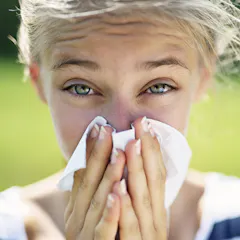
Rising temperatures mean longer, earlier pollen seasons, but a bigger problem is what more carbon dioxide will do to the amount of pollen being released.
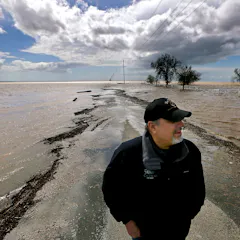
This year’s Sierra snowpack is looking a lot like 1983’s, and that was a year of flooding and mudslide disasters. A meteorologist explains what’s ahead.

Chlorofluorocarbons (CFCs) are also potent greenhouse gases which contribute to climate change.

Researchers are turning to computer models, drones and other methods to improve tornado forecasting.
Top contributors
-

Professor of Geology and Environmental Geosciences, University of Dayton
-
Professor of Atmospheric Science, Colorado State University
-
Research Group Leader, CSIRO
-
Honorary Fellow, CSIRO
-
Professor of Climate Science, UMass Lowell
-
Professor of Atmospheric Sciences, Climate Change Research Centre, UNSW
-
Meteorologist and Research Program Manager, University of Wisconsin-Madison
-
Atmospheric Science Educator, Georgia Institute of Technology
-
Distinguished Professor of Meteorology, Penn State
-
Ph.D. Student in Atmospheric Science, University of Michigan
-
Professor of Geography, University of Tennessee
-
Professor of Atmospheric Science, University at Albany, State University of New York
-
Assistant Professor of Geography, Middle Tennessee State University
-
Professor of Atmospheric Science, Iowa State University
-
Professor Emeritus of Climate and Space Sciences and Engineering, University of Michigan