

Men’s sperm numbers and fertility also decline with age. If you’re planning to have kids in the future, here’s what you need to know.
Articles on Sperm
Displaying 1 - 20 of 76 articles

Semen, sperm, pre-cum, seminal fluid. These terms are sometimes used interchangeably – here’s the difference.
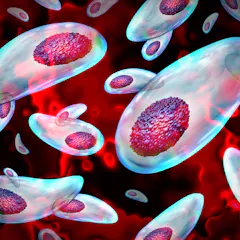
If you’ve handled cat litter or eaten raw meat or unwashed produce, there’s a chance you might have a permanent toxoplasmosis infection spread throughout your body.

Oral sex conception, splash pregnancies and double pregnancies can all happen – albeit very, very occasionally.
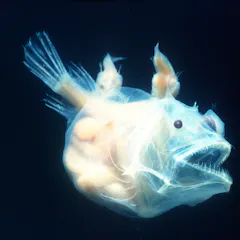
Does size matter? In the animal kingdom, yes.
Understanding how the ageing of sperm works in other animals is more important than ever as human male fertility is in decline.

The technology may be here sooner than we think. But we have so much to discuss first.

With sperm counts declining world wide, it’s important to know how to keep your sperm as healthy as possible.

For many years women were blamed for a couple’s infertility. But it’s now known that male factor infertility contributes to about 50% of total cases.

Human reproduction is completely dependent on the health of an underestimated but vital organ: the endometrium. Here’s how it works.

Cutting down on alcohol consumption before pregnancy can benefit the health of both men, women and their baby.

Lots of kids wonder about this. Here are some of the basics.

As more younger, single men ask for one following the Supreme Court abortion decision, a urologist explains what to expect with a vasectomy.
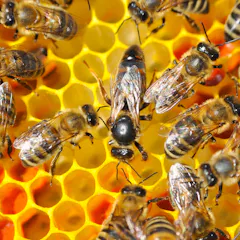
Studying bee sperm is difficult because of the way it coils, but fluorescent light illuminates the head of the sperm. Sperm quality may indicate stress levels in the bee colony.

Beekeepers in British Columbia reported honeybee deaths during the 2021 heat dome. Other insects may also be at risk.
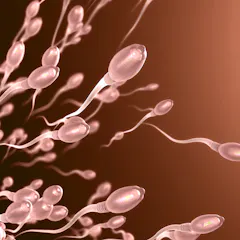
Growing applications of nanotechnology include using nanorods for male birth control. The technique has had some success in animals, and offers the potential of human male contraception.

Victorians who need donated eggs and sperm face limited choice, lengthy waits and high costs.

Warnings of an end to human sperm production have been making headlines recently, now with the added threat of shrinking penises. Is this science or sensationalism?
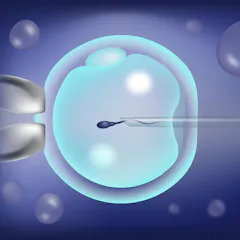
Our new study shows a widely used fertility treatment, known as ICSI, is no better than standard IVF for most people. Yet, it’s being routinely offered around the world.
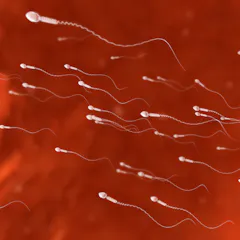
Our chemical environment appears responsible for an alarming plummet in sperm counts – in humans and in animals.
Top contributors
-

Adjunct Senior Research Fellow, Global and Women's Health, School of Public Health & Preventive Medicine, Monash University
-
Senior lecturer in reproductive Biology, University of Sheffield
-
Professor and Director, Robinson Research Institute, Adelaide University
-
Associate Professor of Medical Sciences, University of Wollongong
-
Principal Lecturer in Wildlife Conservation, Nottingham Trent University
-
Professor of Reproductive Medicine, Queen's University Belfast
-
Professeur, UMR ISYEB (Institut de Systématique, Évolution, Biodiversité), Muséum national d’histoire naturelle (MNHN)
-
PhD Candidate, L’Université d’Ottawa/University of Ottawa
-
Associate Professor, Department of Epidemiology and Preventive Medicine, Monash University
-
Academic; Consultant (Health Law), University of Sydney
-
Adjunct Professsor, School of Psychology, Faculty of Health and Medical Sciences, Adelaide University
-
Postdoctoral Researcher of Evolutionary Biology, University of Pennsylvania
-
Associate Professor, Centre for Evolutionary Biology, The University of Western Australia
-
Distinguished Research Professor, Emerita, Dalhousie University
-
Professor; Director, UWA Centre for Evolutionary Biology, The University of Western Australia