

The moss beds in Antarctica are like miniature forests – they create their own climate.
Articles on Antarctica warming
Displaying 1 - 20 of 30 articles

New research explores the wide-ranging consequences of record low summer sea ice in Antarctica. From more ocean warming to extra icebergs, it’s bad news we must hear.
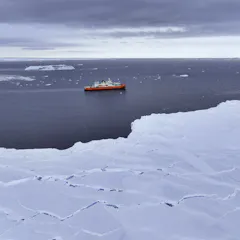
The Antarctic Slope Current shields Antarctica from warm waters. But new research shows meltwater is speeding up the current, which could make it more unstable.
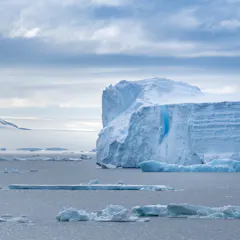
A new study found parts of Antartica could pass a tipping point for mass ice sheet losses as soon as 2050 – pushing sea levels 2 metres higher by 2300 than currently predicted.

Part of the system that pumps water, heat and nutrients around the globe is at risk. Climate change could slow the Antarctic Circumpolar Current down 20% by 2050.
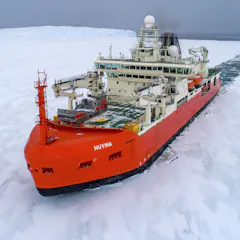
A parliamentary report has called on for a second icebreaking vessel and more reliable funding for Antarctic research.

The Antarctic ice sheet is nearly twice the area of Australia and holds enough freshwater to raise global sea levels by 58 metres.

Geoengineering proposals to cool the ocean would indeed reduce ice loss from West Antarctica’s glaciers, but not enough to stop sea-level rise or allow the ice sheet to regrow.
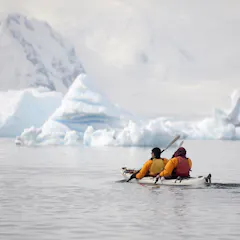
In our market-driven world, calculating the economic value of the environment can be a useful tool in garnering support for environmental protection.
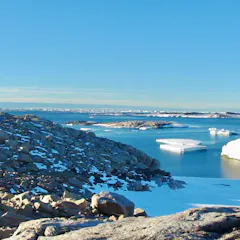
A heatwave in 2022 redefined scientific expectations of the Antarctic climate. Now the global community must prepare for what a warmer world may bring.
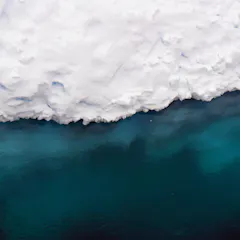
Did the enormous West Antarctic Ice Sheet collapse the last time global temperatures were 1.5°C above preindustrial levels? The answer lay in the DNA of an octopus.
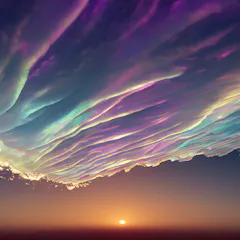
Back when there were Arctic alligators and turtles, ‘polar stratospheric clouds’ kept their world warm. Research suggests these clouds contribute to the ‘missing warming’ in climate models.
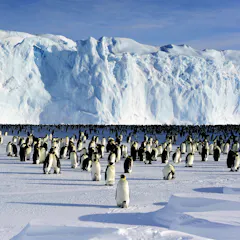
The first comprehensive assessment of trends in Southern Ocean ecosystems reveals an urgent need to address climate change. The summary for policymakers can guide decision-makers.
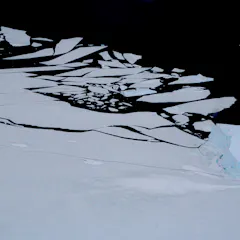
More trouble in Antarctica: the extent of frozen seawater fastened to the coast (called landfast ice) hit a record low in March 2022. If this trend persists, the consequences could be catastrophic.
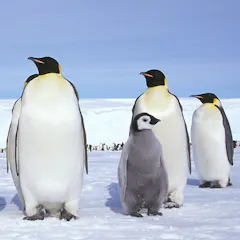
We are on a trajectory that takes Earth across thresholds humans have never experienced, into a climate where Antarctica’s ice shelves can no longer exist, leading to several metres of sea-level rise.
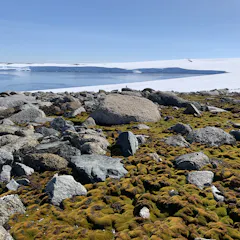
It was the trip of a lifetime for an Australian research team studying moss in Antarctica. After two months at Casey Station they returned with great videos and loads of data for further analysis.

Scientists have detected a 30% slowdown of the deep ocean currents that form in Antarctica, with profound consequences for Earth’s climate, sea level and marine life.
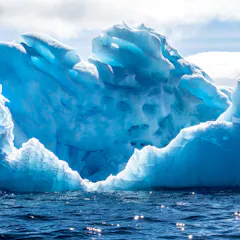
In a plot reminiscent of the 2004 movie The Day After Tomorrow?, Australian scientists are warning that the Southern Ocean’s deep “overturning” circulation is slowing and headed for collapse.
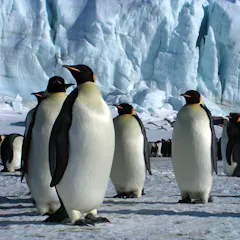
The species at risk include flowering plants, moss and lichens, tough invertebrates and breeding seabirds.
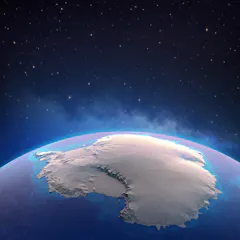
But new research offers some hope if we are able to keep climate change under control.
Top contributors
-

Director of the ARC Centre of Excellence for Our Future Oceans and Scientia Professor in Oceanography, UNSW
-
ARC Future Fellow & Associate Professor, Mechanical Engineering, The University of Melbourne
-
Professor of Glaciology, Te Herenga Waka — Victoria University of Wellington
-
Principal Scientist, Australian Antarctic Division
-
Senior Research Associate in Physical Oceanography, University of Tasmania
-
ARC DECRA Senior Research Fellow, Institute for Marine and Antarctic Studies, University of Tasmania
-
Postdoctoral Research Fellow, School of Earth, Atmospheric and Life Sciences, University of Wollongong
-
Professor in Glaciology, University of Otago
-
CSIRO Fellow, CSIRO
-
Environmental Data Scientist, GNS Science
-
Senior Lecturer in Atmospheric Science, Climate Change Research Centre, UNSW
-
PhD candidate, University of Tasmania
-
Director Environmental Informatics Hub, Monash University
-
Professor in Ocean Physics, University of Auckland, Waipapa Taumata Rau; Earth Sciences New Zealand
-
Senior Research Fellow in Antarctic and island conservation science, Queensland University of Technology