
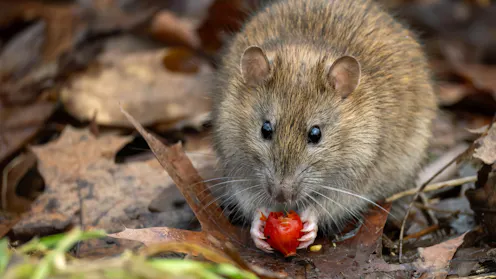
An archaeologist reveals what she learned from sifting through a 200-year-old rat nest recovered from a historic Philadelphia home.
Science + Tech – Articles, Analysis, Opinion
Displaying 401 - 425 of 4773 articles
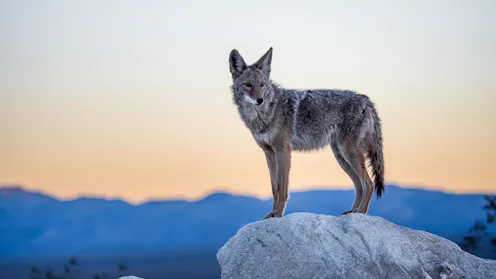
Wolves and coyotes feed on similar things – but their diets aren’t identical. A researcher studied predator diets to investigate their differences.
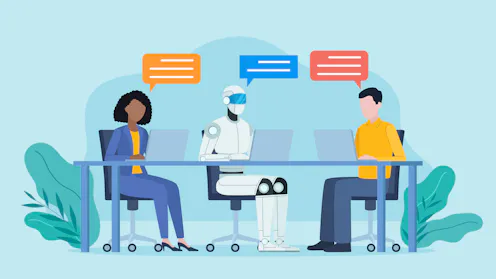
There are several methods for detecting whether a piece of text was written by AI. They all have limitations – and probably always will.
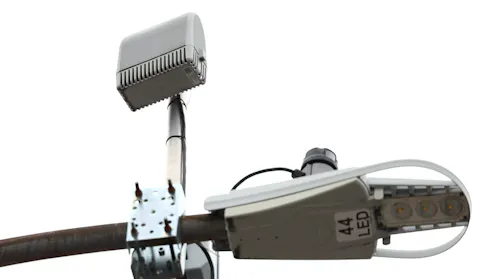
The $4 billion school security industry can’t back up claims for its tech. The silver lining: That’s partly because there aren’t enough shootings to study.
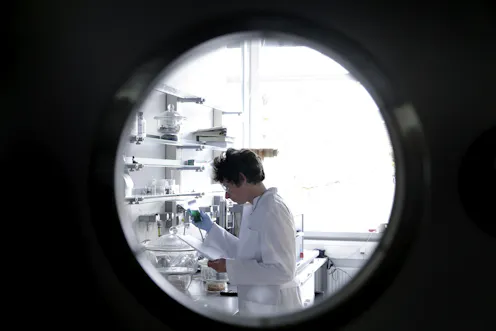
US science lost a great deal in 2025, including tens of billions of dollars of federal funding, entire research agencies and programs, and a generation of researchers.
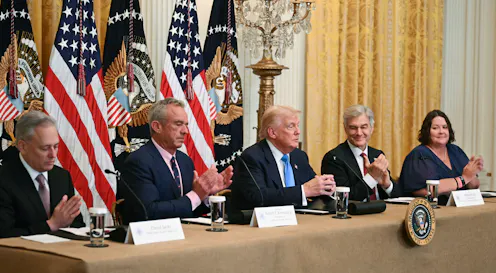
The Trump administration is rewriting the 80-year-old American social contract for science research.
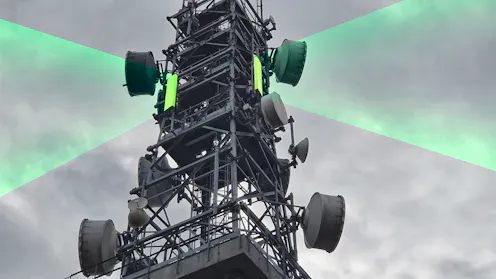
The delusions of people with thought disorders have had consistent themes of persecution for decades. But new technology provides fresh material for the content of delusions.
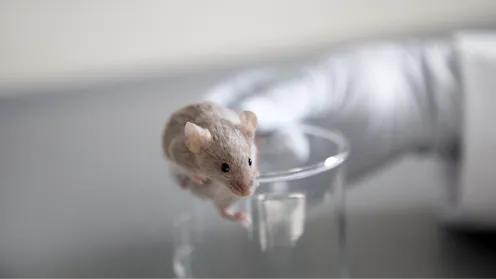
It was once believed that mice had relatively poor vision. Turns out mice are far from blind – and studying how their vision is shaped by their environment and behavior can clarify the same in people.
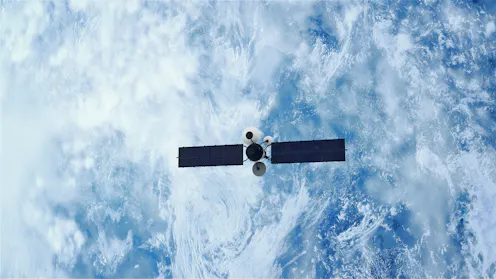
The closer to Earth a satellite flies, the clearer a picture it can take of the surface. But low-flying satellites also have to deal with atmospheric drag.
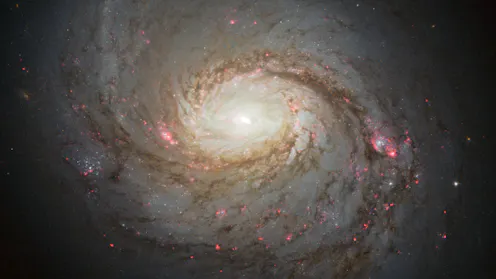
Normal matter – which makes up everything we see and touch – isn’t the only type of matter present in the universe.
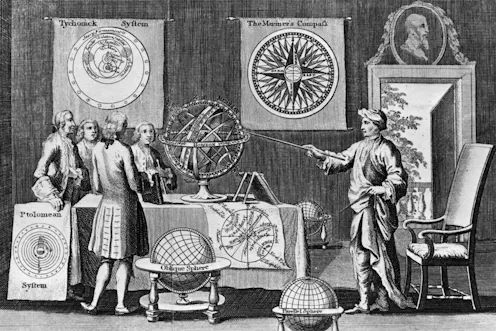
Science has always been part of a marketplace of ideas, where claims vie for audiences, resources and belief, and where power, persuasion and status shape which ideas are heard, trusted or forgotten.
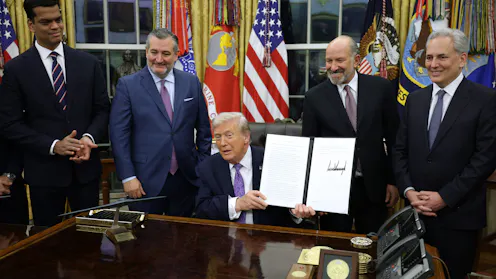
In the absence of comprehensive federal AI regulation, states have stepped in. The Trump administration, at Big Tech’s urging, is attempting to roll back many of those laws.
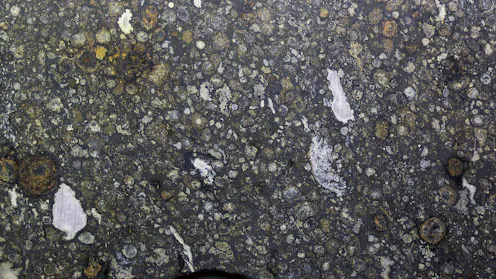
A new machine learning model explores the boundary between biological and nonbiological chemistry.

Interbreeding across species lines is one way helpful genes can spread into a bird population.

Many health symptoms can be caused by multiple illnesses – if AI can’t tell the difference between them, it won’t be able to operate accurately without human oversight.
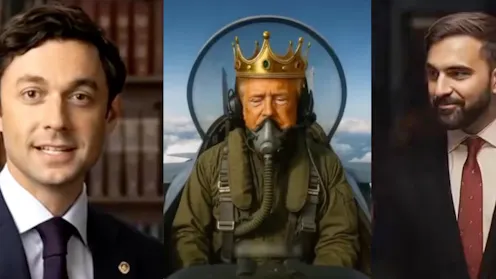
Don’t discount the threat of AI political videos fooling people, but for now, they’re mostly about bolstering group identity and cashing in on viral content.
The mass adoption of new technologies drives demand for rare and complex materials used in their manufacture.
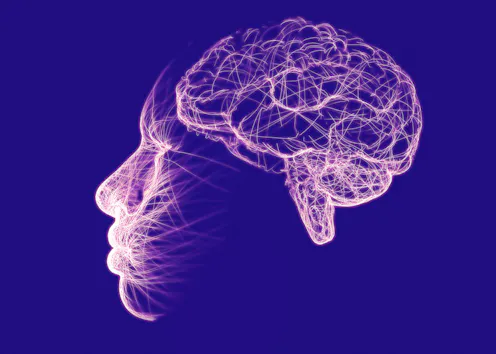
Some children recover better after traumatic brain injury than others, despite appearing similarly to doctors. Looking at the genetic and cellular level, however, reveal key differences.
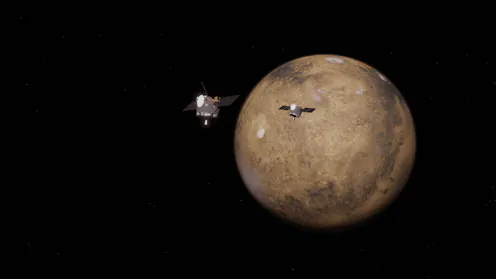
What’s better – many small space missions, or a few large, sweeping ones? Space scientists are asking this question as they face budget uncertainties.
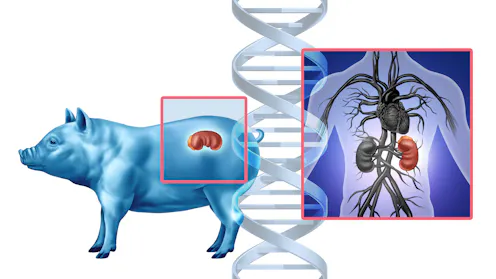
How many human cells does a pig need before it’s considered too human?
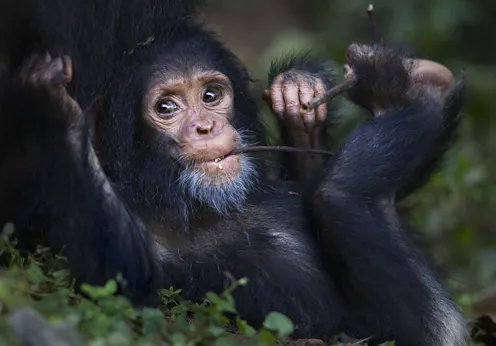
What muscles feet have, how your brain controls them, and how humans evolved all play a part in why people can’t easily move individual toes.

Neo-Nazis and other far-right extremists were early adopters of bulletin board systems, pioneering online recruiting and radicalization techniques long before the social media revolution.
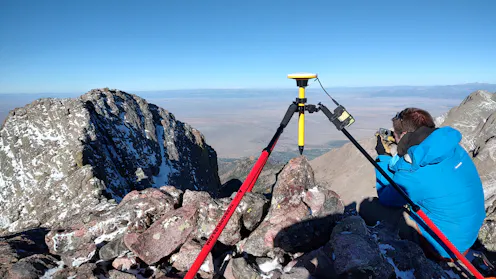
To most accurately measure mountain peaks, Eric Gilbertson lugs equipment all the way to the top.
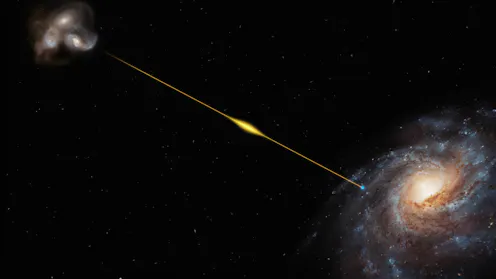
Most of the universe is made up of dark matter and dark energy. The majority of everything else is dispersed throughout space as tiny particles.
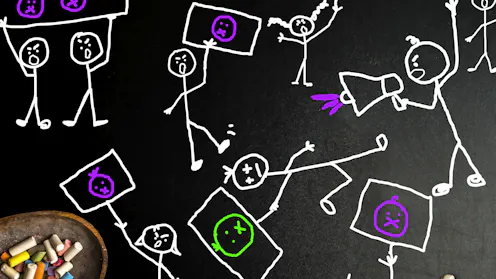
A new tool lets researchers get a handle on how social media algorithms affect emotions and polarization.