
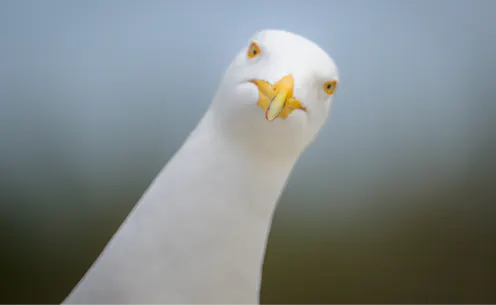
New research shows that displaying a pair of eyes on food packaging can be enough to stop some gulls pinching your food.
Science + Tech – Articles, Analysis, Comment
Displaying 301 - 325 of 6916 articles
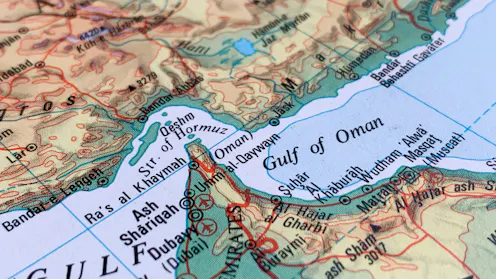
The UK military is considering sending interceptor drones and mine hunters to the Middle East.

Moss can absorb pollution caused by traffic and grow in thin soil.
The information your eyes takes in is only half the story.

Deserts seem unforgiving. However, the fragile flowers of cacti are evolving quickly.

Debunking alien claims matters, but so does telling richer, more compelling stories about how humans shaped their own past.
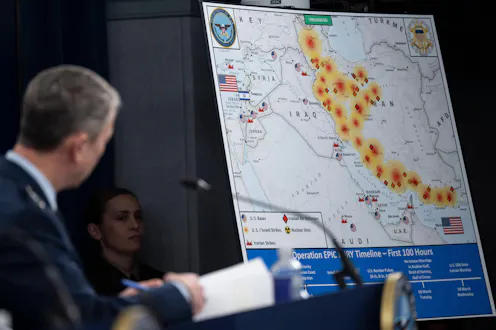
The speed and scale of war are being enhanced by AI systems – but they also bring new risks for civilians and military combatants.
Scientists are studying the phenomenon of animals behaving strangely before earthquakes.
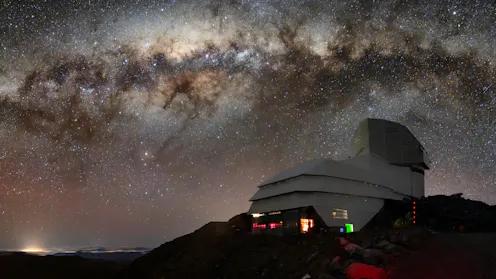
AI could help astronomers crunch the vast amounts of data produced by a new observatory.

Plants that convert seawater to drinking water are at the heart of major cities in the Gulf. But they are increasingly becoming military targets.

We often think of conversation as effortless. In fact, it’s a finely tuned dance of listening and speaking.

Ghost particles from ancient stellar explosions could be detected for the first time this year.

How psychedelics induce intense visuals.
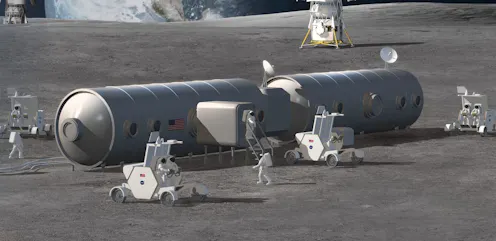
Changes to Nasa’s Moon exploration programme may include a base on the lunar surface.

The possibility of AI automating healthcare work has provoked intense debates, but despite the pace of innovation, here’s why it’s not there yet.

Millions of hedgehogs die as they cross the roads, but a discovery is paving the way for a warning that might stop them crossing at dangerous times.
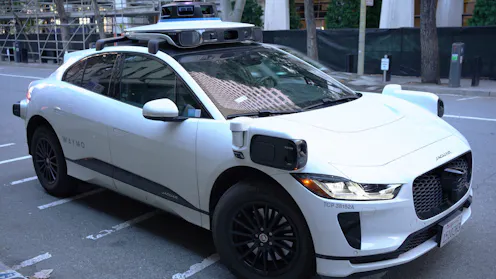
Communication interfaces using text and lights could signal the cars intentions to deaf road users.
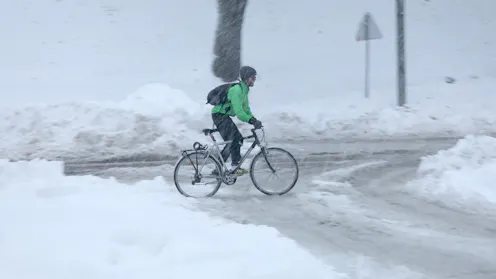
Winter cycling is increasing in some places in Scandinavia.

Throughout history people have foraged for local foods and used them in cooking, so what’s changed in the last few decades?
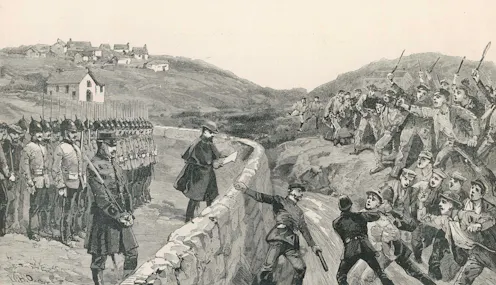
The Enclosure Acts allowed fencing of common lands that villagers had used for generations. Something similar has happened in the digital space.

What’s real, what’s over-stated and what risks have we missed so far?
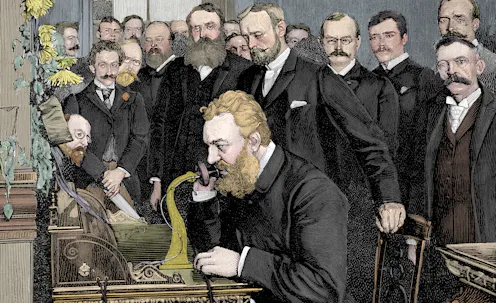
Alexander Graham Bell was not the only person trying to invent the telephone. But 150 years ago, he won the race – just – and the rest is history.
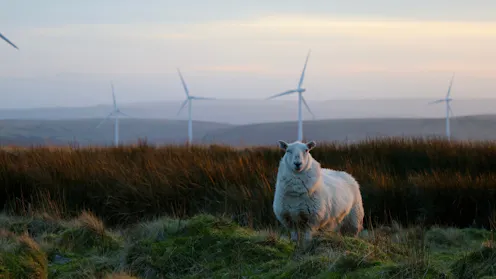
In Nepal, local shareholding in a hydropower project changed how communities regarded it.
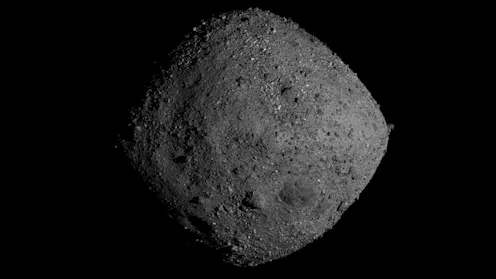
Understanding their make-up is vital if a large space rock ever heads our way.

Taking inspiration from Leonardo da Vinci’s studies of friction, the ‘sneaker squeak’ question cuts to a deep problem in physics.