
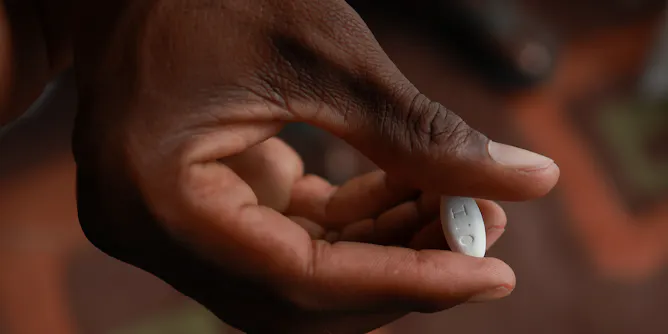
By integrating HIV care with non-communicable disease prevention and care, healthcare systems can help people living with HIV remain healthy.
Articles on World AIDS Day
Displaying 1 - 20 of 33 articles

Aids was first identified 40 years ago: these are the game changers that have revolutionised treatment – and the obstacles that remain.

People are at the heart of the HIV pandemic, so it’s important to understand how they make protection decisions.
Two-thirds of new HIV infections are among gay and bisexual men. Although cases have decreased among white men, they have stagnated among communities of color.
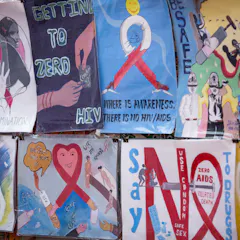
Dec. 1 marks World AIDS Day. Canada has the tools and means to end the epidemic. The question remains, are we up to the task?

Can a film’s artful telling of experiences of stigma and HIV, using dance, help promote empathy and compassion?
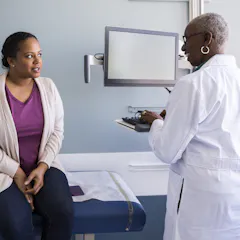
Black American women have disproportionate HIV infection rates – in part because of systemic and structural racism in the health care system.
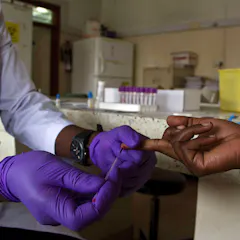
HIV services must be comprehensive to ensure that people take their medication as prescribed and avoid onward transmission of the virus.
Even before the advent of COVID-19, donors had begun to exit HIV programmes with increasing frequency.
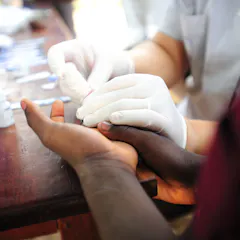
To be effective, vaccine formulas need to cover all emergent strains. But there are still plenty of unknowns.
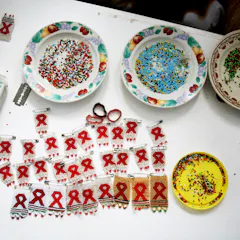
Stigma and criminalisation of same-sex relationships makes it difficult for transgender women and men who have sex with men to seek preventive services. This compounds their risk for HIV infection.

It is urgent and overdue to implement PrEP in pregnancy and during breastfeeding. Failure to do so allows ongoing avoidable HIV infection among women in South Africa and their infants.

Adolescent girls and young women aged 15 to 24 accounted for 25% of new infections, while making up only 10% of the population.
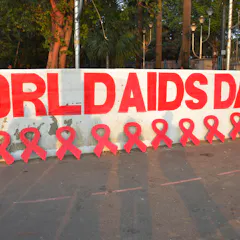
The HIV/AIDS response played out over a much longer trajectory than COVID-19. But it is, in some respects, a shining example of what can be achieved when countries and people work together.
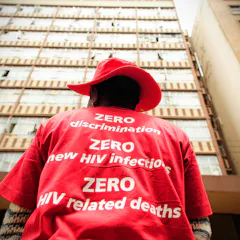
If the world is single-minded and focuses purely on combating one pandemic, forgetting others, the effects of other morbidity and mortality on healthcare systems will be seen for a long time to come.
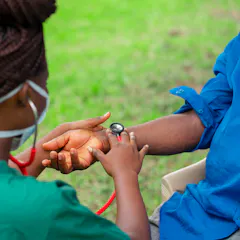
Nurses represent 50% of the global healthcare workforce. And they are often the sole healthcare providers in many low and middle-income countries.
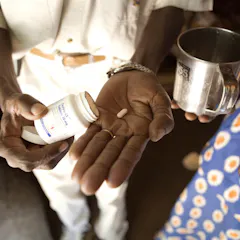
The giant leap in the number of people accessing HIV treatment would not have been possible without task shifting from medical doctors to less-specialised cadres such as nurses and midwives.

Babies born with the HIV virus in their blood are at a turning point in the infection. With immediate treatment these children can develop much stronger immune systems to fight the virus.
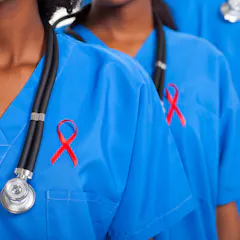
Taking the HIV self-test gave nurses valuable insights into what their patients go through.
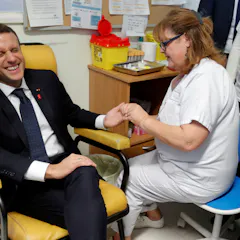
World AIDS Day is Dec. 1. With many advances in preventing and treating the disease, the disease has fallen from top of mind for many. An epidemiologist explains why that could be dangerous.
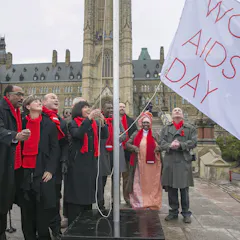
In Canada, people living with HIV can be charged with not disclosing their HIV status to their sexual partners. There is evidence that Black men suffer the most under this criminalization.
Top contributors
-

Professor of medicine and deputy director of the Desmond Tutu HIV Centre at the Institute of Infectious Disease and Molecular Medicine, University of Cape Town
-
Behavioural Scientist, Human Sciences Research Council
-
Health Systems Researcher, Makerere University
-
Executive Director of the Wits Reproductive Health and HIV Institute, University of the Witwatersrand
-
Senior lecturer in Paediatrics and Child Health, Stellenbosch University
-
Postdoctoral scientist, University of Heidelberg
-
Senior Scientist at CAPRISA, University of KwaZulu-Natal
-
Principal investigator, Kenya Medical Research Institute
-
Social scientist, MRC/UVRI Uganda Research Unit on AIDS
-
Reader (Associate Professor), University of the Witwatersrand
-
Honorary doctorate, Addis Ababa University
-
Senior Lecturer, Anthropology, University of the Witwatersrand, University of the Witwatersrand
-
Professor of Nursing and Health Research/ Associate Dean Research, University of Hull
-
Adjunct Associate Professor of Epidemiology, Columbia University
-
Head: Cell Biology, Centre for HIV and STIs, National Institute for Communicable Diseases