
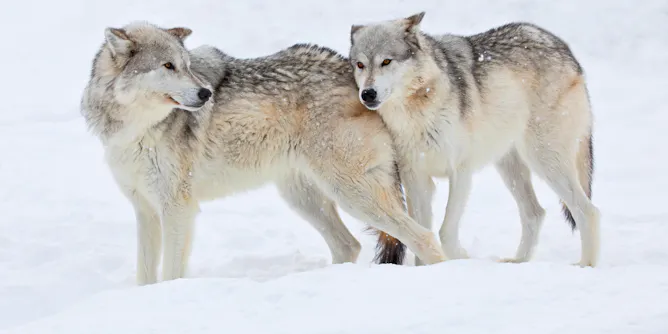
Yellowstone’s reintroduced wolves have become a famous conservation success story, but the reality is far messier.
Articles on Wildlife reintroduction
Displaying 1 - 20 of 25 articles
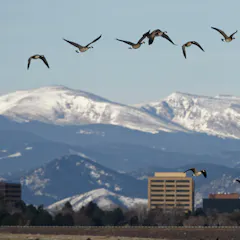
Although Canada geese were not purposely reintroduced in urban areas, many have made cities their permanent homes.
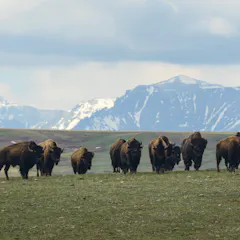
Approximately 400,000 bison roam the North American landscape today, of which nearly 90% are considered livestock.
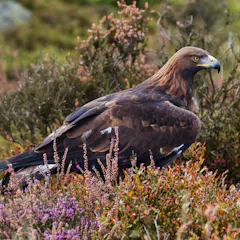
The return of an apex predator has all sorts of positive effects throughout an ecosystem.
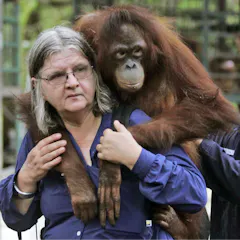
With Jane Goodall and Dian Fossey, Galdikas changed the face of science and opened the world’s eyes to how similar humans are to orangutans and other primates.

A new paper highlights the importance of assessing social feasibility before reintroductions of predators like pine martens take place to ensure success.
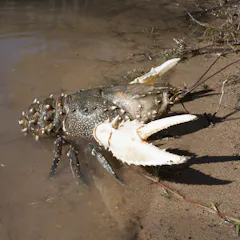
The Murray crayfish disappeared from large parts of its range over the past 40 years. Now a community-driven reintroduction program is bringing the iconic species back.
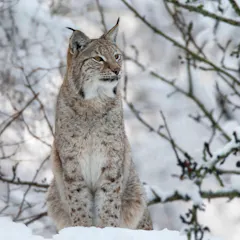
Psychology may shape the success of carnivore reintroductions much more than ecology, politics, economics and philosophy ever can.
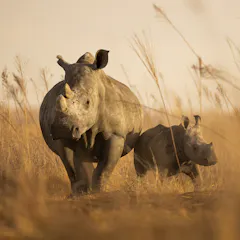
What would you do with 2,000 farmed rhinos? An African charity wants them to help their wild cousins.
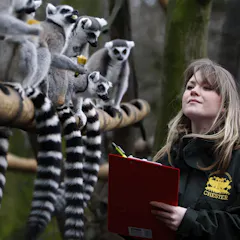
Zoos have the potential to do more for growing conservation science and practice.

Rewilding is risky but we can learn from past attempts to use it as an effective tool for conservation
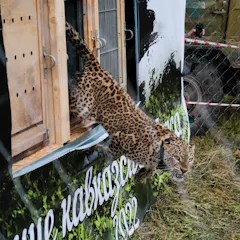
New research studies the factors that determine whether large carnivore reintroductions will be a success.
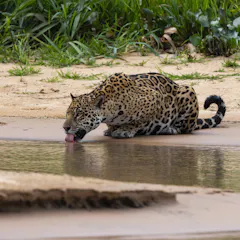
Keeping landscapes connected can help protect wild animals and plants. In the US Southwest, border wall construction is closing off corridors that jaguars and other at-risk species use.
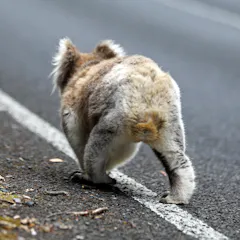
We need a better system to care for the welfare of injured wildlife in Australia as the current one is too fragmented, contradictory and inconsistent.
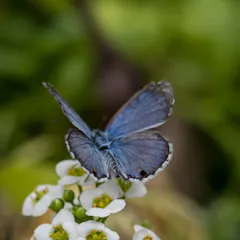
How do you pack butterflies for shipping, or frogs for an overland hike to a new habitat? Three scientists explain how they keep threatened species safe on the road and in the air.
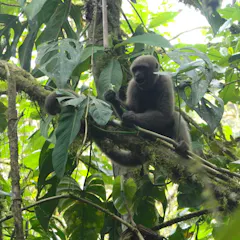
Colombian researchers hope to revive an endangered species by rehabilitating monkeys confiscated from smugglers. The captive animals’ struggles show that survival is not guaranteed.
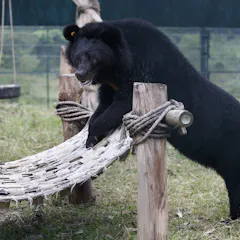
Bears in Asia are trapped in bile farms, where they are kept in small cages for decades.
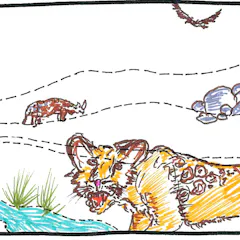
Scientists asked young people to draw what they would like the natural world to look like when they’re older. Their imagination could help make conservationists more ambitious.
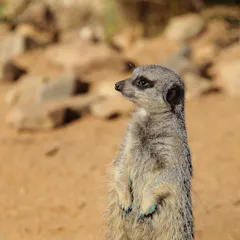
Zoos’ role in conservation is divisive, but in Australia they could be critical in securing and even recovering threatened species.
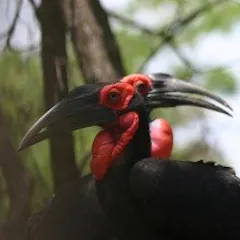
Reintroduction programs can really help stop the decline of the southern ground hornbills.
Top contributors
-

Environmental Social Scientist, Newcastle University
-
Professor, Evolution and Ecology Research Centre, UNSW
-
Senior Lecturer in Biology, University of Sussex
-
Professor of Wildlife Conservation, University of Salford
-
Lecturer In Large Wildlife Ecology, Rhodes University
-
Professor of Environmental Ethics and Conservation, Arizona State University
-
PhD Candidate in Conservation Psychology, Royal Holloway, University of London
-
Doctoral Researcher, University of Sussex
-
Associate Professor, Griffith University
-
Associate Professor (Adj) He/Him, Southern Cross University
-
Associate Professor, Grimsö Wildlife Research Station, Swedish University of Agricultural Sciences
-
Wildlife cinematographer and PhD graduate, UNSW
-
Research Biologist, Earth Research Institute, University of California, Santa Barbara
-
Lecturer in the School of Applied Sciences, Edinburgh Napier University
-
Manager: DST-NRF Centre of Excellence, University of Cape Town