

Genetic diversity is being lost across many species – especially birds and mammals. But you can help stop the decline.
Articles on Species reintroductions
Displaying all articles
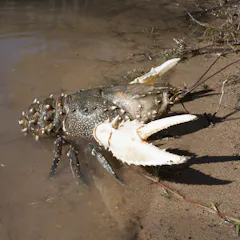
The Murray crayfish disappeared from large parts of its range over the past 40 years. Now a community-driven reintroduction program is bringing the iconic species back.
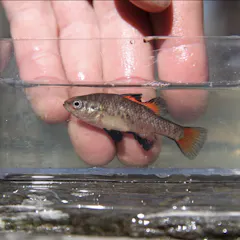
Reintroducing locally extinct species is a challenging affair, but with the right partnerships everyone can help make it happen.
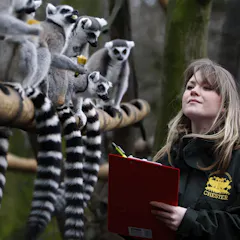
Zoos have the potential to do more for growing conservation science and practice.
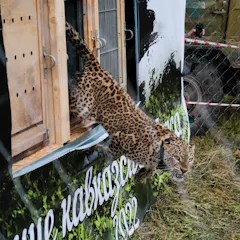
New research studies the factors that determine whether large carnivore reintroductions will be a success.
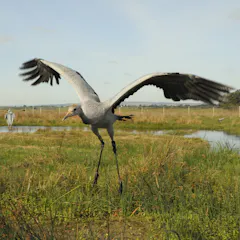
These wetland birds were eradicated in the 17th century, but breeding pairs returned in 1979.

Even in small, densely populated countries, reintroducing large wildlife is possible.

In the past, wildlife vigilantes have illegally moved Tasmanian devils off the island — an illegal practice known as “covert rewilding”. They may well might try again.
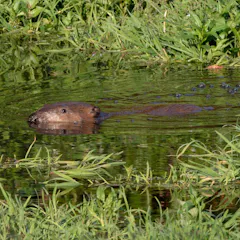
By studying where rewilding has worked well around the world, we’ve worked out the dos and don'ts.

By only focusing on preserving the genetic purity of a species, conservationists risk the extinction of isolated populations.
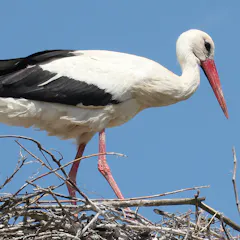
Storks – those harbingers of new life – are breeding in Britain again.
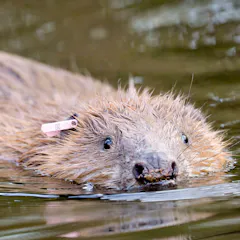
Coming to a river catchment near you: a rodent crack team ready to reduce flooding and boost biodiversity.
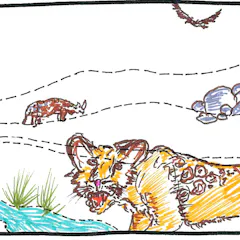
Scientists asked young people to draw what they would like the natural world to look like when they’re older. Their imagination could help make conservationists more ambitious.
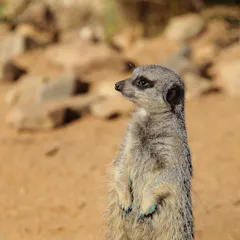
Zoos’ role in conservation is divisive, but in Australia they could be critical in securing and even recovering threatened species.
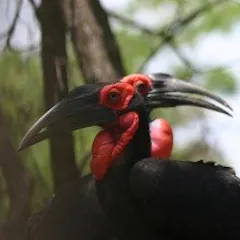
Reintroduction programs can really help stop the decline of the southern ground hornbills.
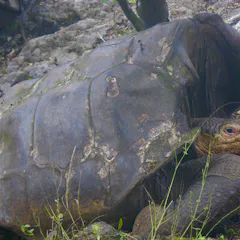
When 100-year-old giant tortoise Lonesome George died in 2012, the world thought his species was lost forever. We went to the Galápagos Islands looking for ‘extinct’ tortoises – and we found them.

We’re familiar with the idea of releasing almost-extinct species into new areas. By doing the same with common animals, we can help stop their population numbers getting into the same perilous state.
Top contributors
-

Matthew Flinders Professor of Biodiversity Genomics, Flinders University
-
Lecturer in Ornithology, Ecology, Conservation and Parasitology, Charles Sturt University
-
Professor in Ecology, Charles Sturt University
-
Senior Research Scientist and Lecturer, Department of Ecology & Evolutionary Biology, Yale University
-
Postdoctoral Research Associate, Manchester Metropolitan University
-
Associate Professor, Griffith University
-
Doctoral Researcher, University of Sussex
-
Manager: DST-NRF Centre of Excellence, University of Cape Town
-
Professor, Applied Evolutionary Ecology, Laurentian University
-
Senior Lecturer in Geography, University of Leeds
-
Senior Lecturer in Biology, University of Sussex
-
Adjunct Professor, Biomedical Sciences, University of Guelph
-
Associate Professor, Ecology, Northumbria University, Newcastle
-
Adjunct Professor, Department of Biology, Laurentian University
-
PhD Candidate in Conservation Psychology, Royal Holloway, University of London