
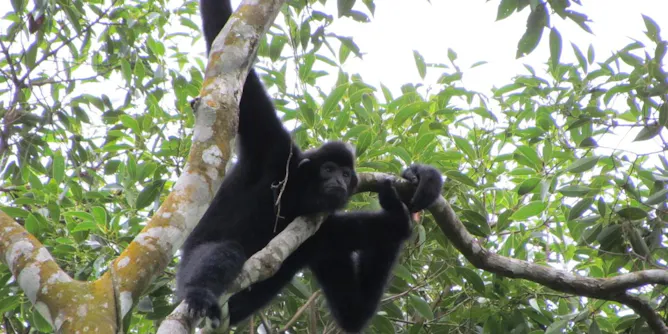
It risks becoming the first ape to go extinct.
Articles on Wildlife conservation
Displaying 301 - 320 of 570 articles

It is possible to use small spaces such as transport corridors, verges and the edges of sporting grounds for native wildlife habitat restoration, helping to bring biodiversity back into cities.

All dingoes are ginger, right? Nope. They don’t bark? Wrong again. And they’re ultimately just wild dogs? Well, that’s trickier, but for conservation purposes the answer is still basically no.
Songs of marine animals can help us discover new populations.
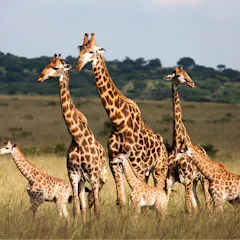
Are giraffes really facing extinction? The decline of these beloved animals - and many others – has been hidden in plain sight as Africa builds ever more roads, railways and cities.
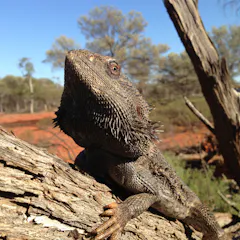
We are only just starting to appreciate the full sexual diversity of animals.
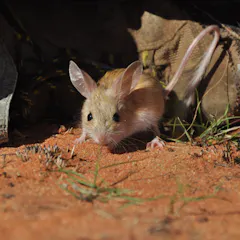
Australia’s arid grasslands are being invaded - by native shrubs and trees.
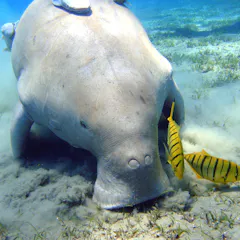
The real threats to dugongs and turtles are not being addressed.

In the coming weeks, Parks Australia will release a 2mm wasp on Christmas Island to control the island’s yellow crazy ant infestation.
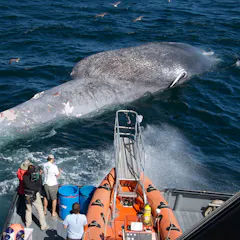
Ships in Australian waters are getting bigger and more numerous all the time. We need a plan to help them avoid crashing into whales and other large sea creatures.
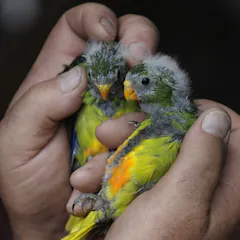
Researchers are planning to monitor orange-bellied parrot nests all summer to make sure they raise chicks successfully.

Some animals bred in captivity often lack the skills needed to survive in the wild. But the Tasmanian devil is showing it’s a natural born killer.
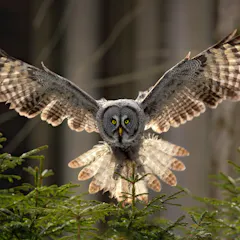
The jury is in and the debate is over: Earth’s sixth great extinction has arrived.
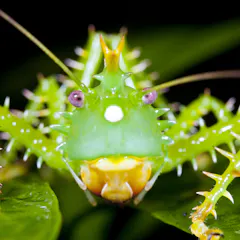
The organisms that we’re now discovering are often more hidden and more difficult to catch than ever before.
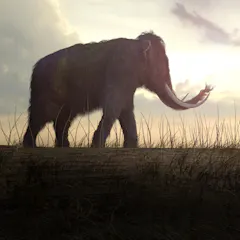
Is an extinct animal really gone forever?
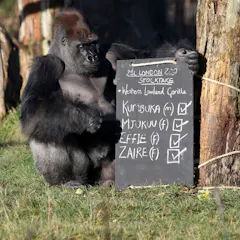
Good zoos should be treated like they treat their animals. That means not beating them over the odd mishap.

Metallic starlings – not the kind that live in your roof – breed in huge colonies that draw thousands of animals.
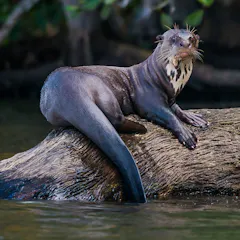
Land animals were able to find refuge in the depths of the forest. But aquatic species weren’t so lucky.
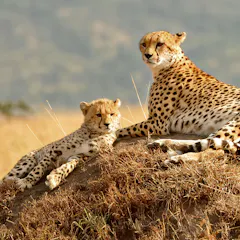
Wildlife in wilderness areas have more genetic diversity, which is better for their survival.
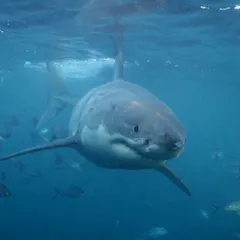
Queensland premier Annastacia Palaszczuk has offered to extend the state’s shark netting and drum lines into New South Wales.
Top contributors
-

Professor in Wildlife Ecology and Conservation, School of Life & Environmental Sciences, Deakin University
-
Lecturer in the School of Applied Sciences, Edinburgh Napier University
-
Distinguished Research Professor and Australian Laureate, James Cook University
-
Professor of Wildlife Conservation, University of Salford
-
Honorary Research Fellow, University of Sydney
-
Professor of Conservation Biology, Charles Darwin University
-
Professor in Terrestrial Ecology, Deakin University
-
Professor in Ecology, Charles Sturt University
-
Professor in Conservation Science, School of the Environment, The University of Queensland
-
Professor of Environmental Management, The University of Queensland
-
Professor of Conservation and Sustainable Livelihoods, Charles Darwin University
-
Distinguished Professor of Ecology, Fenner School of Environment and Society, Australian National University
-
Professor in Biodiversity and Conservation, The University of Queensland
-
ARC Future Fellow, Queensland University of Technology
-
Professor of Conservation Science, University of Newcastle