
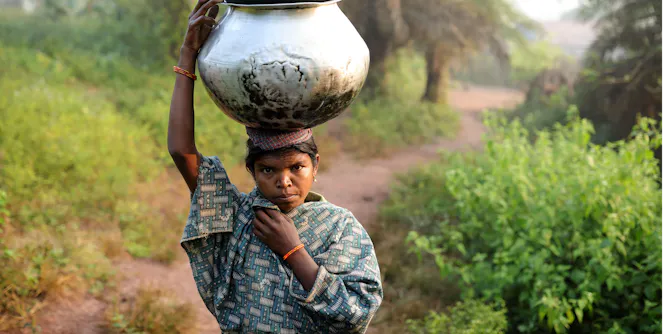
Forests in India’s tribal heartland are being caught in the crossfire of conflict.
Articles on Wildlife
Displaying 141 - 160 of 831 articles
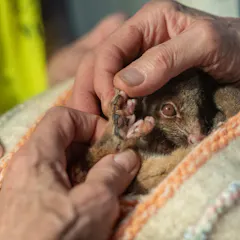
When authorities fight fires, they focus on human life and property. But animals are part of communities too – and disaster preparation should reflect this

Understanding the number and origin of animals entering a country is important to control the health and ecological problems imported wildlife can bring.
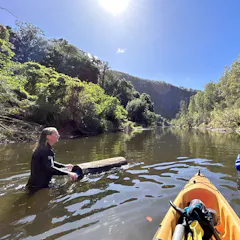
Conservation groups can now share and compare climate adaptation tactics to support threatened species and ecosystems through a new online tool called AdaptLog.
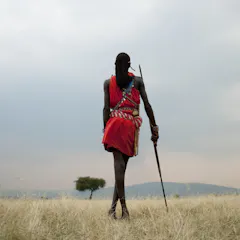
Tanzania is using conservation as a pretext for land grabs and human rights violations.
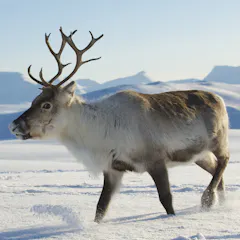
Here’s everything you need to know about this iconic animal, including why they need antlers, why they really can have red noses and how their eyes change colour!
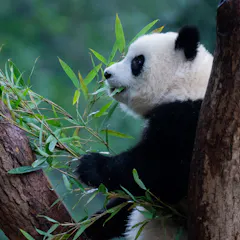
Rising carbon dioxide levels in the air are making plants grow larger and faster, but diluting their nutritional content. This could threaten the health of herbivores worldwide.
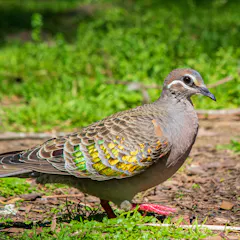
Beak sizes increase, and body sizes decrease - but why? How we are slowly unravelling the mystery behind changing body shapes in Australian birds.

South Africa urgently needs to adopt a streamlined and interconnected approach to wildlife trade law at the provincial, national and international levels.
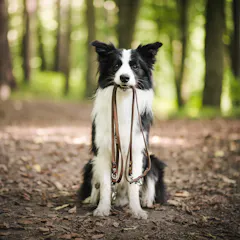
Interviews with dog walkers reveals fresh insights into why people choose to keep their dog on lead, or not. Changing that behaviour depends on meeting the needs of both pet owners and their dogs.
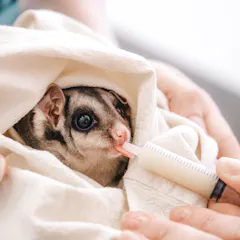
Why can’t you keep a wombat or koala as a pet rather than a cat or dog? There are good reasons why keeping native animals as pets isn’t as easy as it seems

Manatees along Florida’s coast are eating less seagrass and more algae than they did a few decades ago. This dietary shift could pose a new threat to the survival of the beloved species.
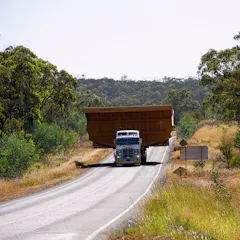
Central Queensland has become a koala refuge. But heavy traffic on one highway is threatening a vital population of these threatened marsupials
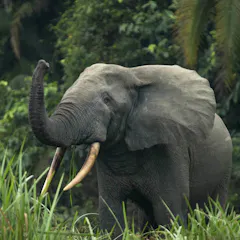
Nigeria has only a few hundred elephants left. They are worth saving, for several reasons.
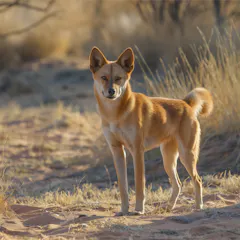
New genetic research shows dingoes are not breeding with domestic dogs in the wild. But that could change if lethal control measures continue to decimate populations in Victoria.
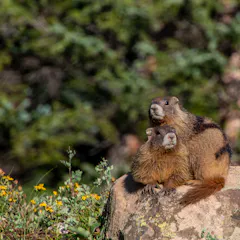
New research finds that marmots who experience adversity early in life have a lesser chance of survival.
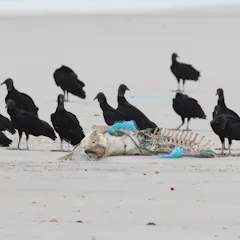
The average size of monitored wildlife populations has shrunk by 73% since 1970.
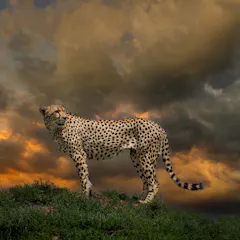
Over the past 112 years the Mara-Serengeti ecosystem has experienced major changes in its weather.
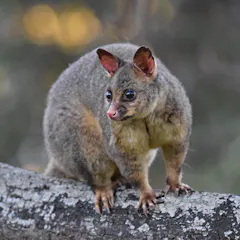
In Australia, people tend to think carnivores lead the clean-up crew after an animal dies. But brushtail possums – thought to be plant-eaters – also eat carcasses.
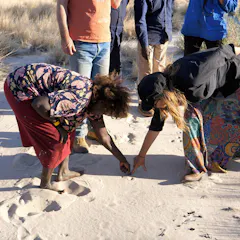
Footprints, droppings, diggings and other signs left behind by animals reveal a lot to a skilled observer. Indigenous knowledge feeds into one of Australia’s largest wildlife monitoring endeavours.
Top contributors
-

Professor in Wildlife Ecology and Conservation, School of Life & Environmental Sciences, Deakin University
-
Professor of Conservation Biology, Charles Darwin University
-
University Fellow in Biodiversity, Charles Darwin University
-
Professor in Ecology, Charles Sturt University
-
Professor in Conservation Science, School of the Environment, The University of Queensland
-
Professor, Urban Ecology and Biodiversity, The University of Melbourne; RMIT University
-
Professor in Conservation Science, School of Ecosystem and Forest Science, The University of Melbourne
-
Senior Researcher and Statistician, University of Hohenheim
-
Distinguished Professor of Ecology, Fenner School of Environment and Society, Australian National University
-
Senior Research Associate, School of Agriculture, Food and Ecosystem Sciences, The University of Melbourne
-
Professor of Environmental Management, The University of Queensland
-
Principal Lecturer in Wildlife Conservation, Nottingham Trent University
-
Senior Lecturer in Biological Anthropology, University of South Wales
-
Associate Professor, Global Ecology, University of Sydney
-
Professor of Conservation and Sustainable Livelihoods, Charles Darwin University