
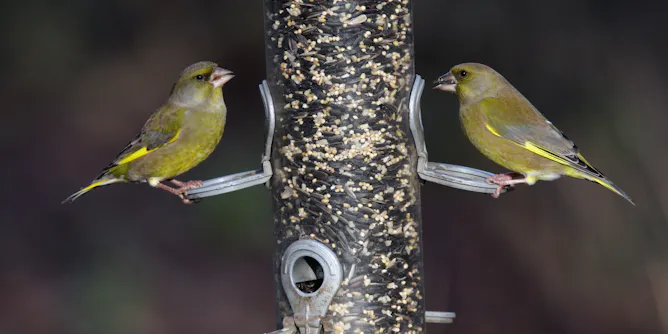
Summer feeding should be paused because this is a time when natural food sources such as caterpillars, bugs and flies, are much more abundant.
Articles on Wildlife
Displaying 61 - 80 of 830 articles
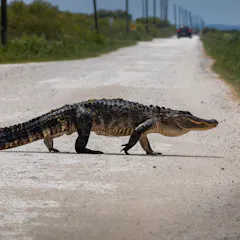
A new mapping tool allows local governments, conservation groups and landowners to understand how their land-use decisions affect wildlife and natural resources.
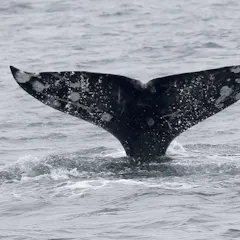
In the past, the gray whale population recovered fairly quickly. But data on baby whales show that isn’t happening, and a new study finds an alarmingly high mortality rate.
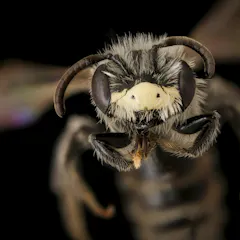
The accusations you might have heard about nonnative honey bees aren’t backed up by evidence. In fact, there are plenty of ways bees make the world a better place.
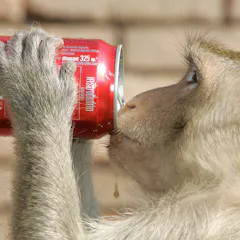
Cities breed smart wildlife because it takes savvy to survive there.
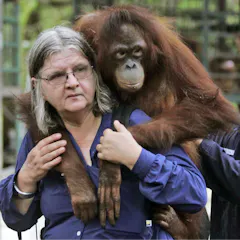
With Jane Goodall and Dian Fossey, Galdikas changed the face of science and opened the world’s eyes to how similar humans are to orangutans and other primates.
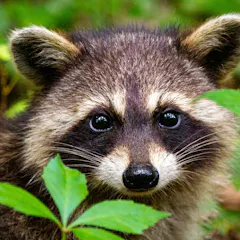
Researchers have discovered raccoons to be intrinsically motivated to solve multiple puzzles, even without a food reward.
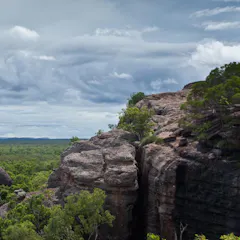
We’ve committed to protect 30% of our lands and waters by 2030. But our endangered species are still struggling, according to four environmental scientists.
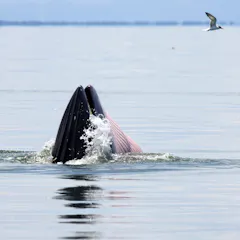
Biological matter left behind in the water allows us to follow these animals without ever setting eyes on them.
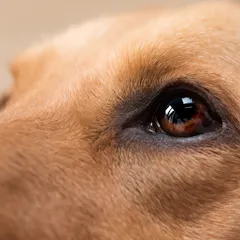
Scientists are studying the phenomenon of animals behaving strangely before earthquakes.
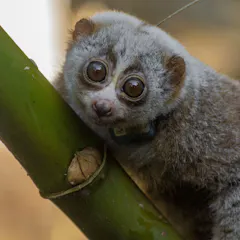
Many wild animals die when well meaning locals and tourists set them free.

For a starfish, most of life is literally a blur.

Over a three-decade experiment in the Rocky Mountains, fungi and plant life fundamentally changed. The result has consequences for cattle and wildlife.
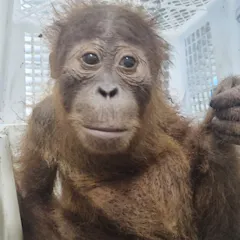
Emerging digital tools can help authorities prioritize inspections and rapidly identify illicit goods by linking online monitoring, legal references and on-the-ground investigations.
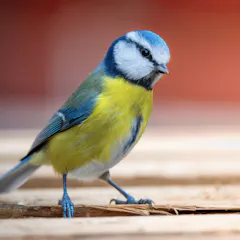
Humans and birds both have an underappreciated sense of smell.
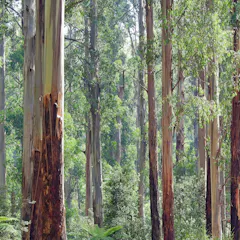
There’s a new plan to manage Victoria’s forests. But if it uses machines to ‘thin’ trees this could affect wildlife and increase bushfire risk.
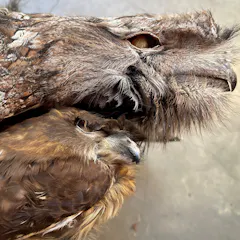
Native predators like owls and goannas are dying from eating poisoned rats and mice. Wildlife experts are shocked the government won’t ban these toxic compounds.

Lack of opportunities are driving young people away from rural villages, leaving fewer people to scare away the wildlife.
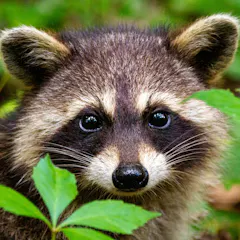
Trash pandas’ talent for escaping via lab vents may frustrate researchers, but their problem-solving skills make their brains a fascinating area of research.
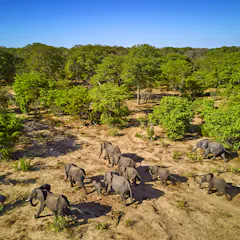
There is a desperate need to balance wildlife conservation with the wellbeing of people living in these shared spaces.
Top contributors
-

Professor in Wildlife Ecology and Conservation, School of Life & Environmental Sciences, Deakin University
-
Professor of Conservation Biology, Charles Darwin University
-
University Fellow in Biodiversity, Charles Darwin University
-
Professor in Ecology, Charles Sturt University
-
Professor in Conservation Science, School of the Environment, The University of Queensland
-
Professor, Urban Ecology and Biodiversity, The University of Melbourne; RMIT University
-
Professor in Conservation Science, School of Ecosystem and Forest Science, The University of Melbourne
-
Senior Researcher and Statistician, University of Hohenheim
-
Distinguished Professor of Ecology, Fenner School of Environment and Society, Australian National University
-
Senior Research Associate, School of Agriculture, Food and Ecosystem Sciences, The University of Melbourne
-
Professor of Environmental Management, The University of Queensland
-
Principal Lecturer in Wildlife Conservation, Nottingham Trent University
-
Senior Lecturer in Biological Anthropology, University of South Wales
-
Associate Professor, Global Ecology, University of Sydney
-
Professor of Conservation and Sustainable Livelihoods, Charles Darwin University