
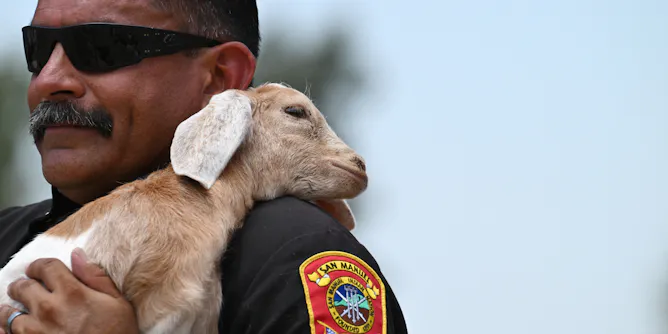
Targeted grazing is gaining interest as fire risk rises, particularly in hard-to-manage areas of the Western US. But it isn’t always as simple as it seems.
Articles on Wildfire risk
Displaying all articles
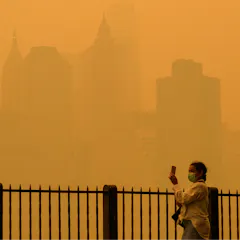
To understand what’s in the smoke you might be breathing, you have to look at where it’s been.
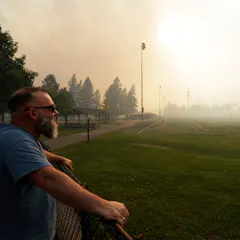
Extreme fire conditions converged in suburban neighborhoods built into the forests, shrubland and grasslands and quickly spread.
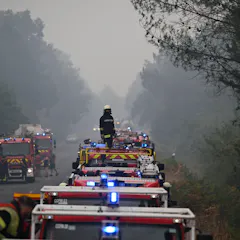
Australia has a well-established national wildfire warning system, so how does this compare with the UK’s approach?
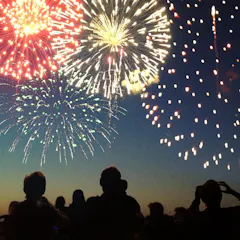
Every year, the number of human-caused fires spikes on July 4, and many of them are related to fireworks. When trees and grasses are dry and the temperature high, the risk rises even more.
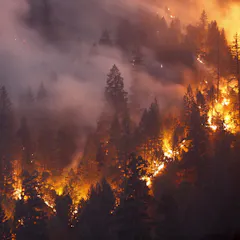
Heat waves do more than dry out vegetation that can easily burn. They also play a role in lightning strikes, particularly dry lightning.
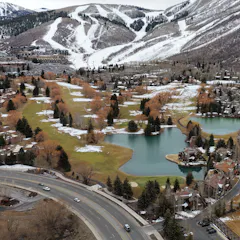
The 2026 water year has been anything but ordinary. In fact, its snow drought has few parallels in recent history.

For decades, wilderness lands have been left largely unaltered by human activity. But those places are still changing, and keeping them wild and special may require action, not inaction.
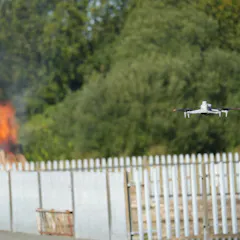
Inspired by the behaviour of flocks of birds, swarm intelligence is being used in drones to tackle the growing threat of wildfires.
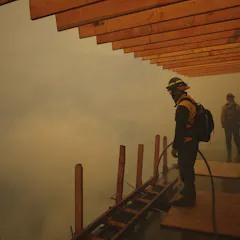
When cities burn, plastics, electronics, cleaning chemicals and much more create a toxic brew. Studies launched during the LA fires a year ago show exposure is often strongest inside homes.

Managing fire risk is about more than regulations and rules. It’s also about caring for neighbors and taking steps on your own property and in your community to help keep neighbors safe.
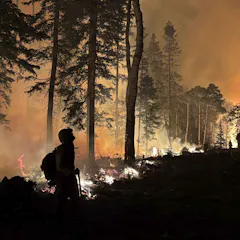
The Trump administration and members of Congress propose cutting environmental reviews and public involvement to boost logging. But data show reviews aren’t the problem.
Public safety shutoffs are becoming routine in fire-prone areas. But when the grid goes down, so do digital transactions.
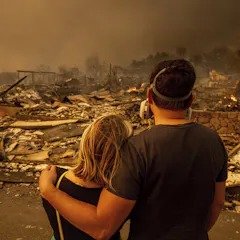
Where people live today also makes a difference when it comes to fire risk.
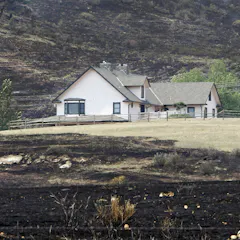
Roofs, windows and siding all affect how vulnerable a home is and how likely it is to survive a wildfire. So does what’s around it in the ‘home ignition zone.’
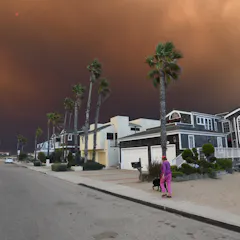
Breathing wildfire smoke can cut years off people’s lives. As fires become more frequent in a warming world, smoke is leading to a public health crisis, harming people far from the flames.
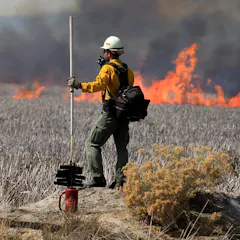
A hot, dry summer on the heels of a wet winter raises the risk of wildfires.

Satellite data shows wildfires are destroying large areas of timber-producing forests around the world. These fires are becoming more destructive with each passing year.

Redesigning agricultural landscapes to plant fire-retardant crops could help mitigate wildfires in an increasingly fire-prone world.
Top contributors
-

Distinguished Professor of Ecology, Fenner School of Environment and Society, Australian National University
-
Postdoctoral Research Associate, University of Cambridge
-
Research Project Director, University of California, Los Angeles
-
Associate Professor of Forest and Rangeland Stewardship, Colorado State University
-
Associate Director of the Huntington-USC Institute on California and The West, USC Dornsife College of Letters, Arts and Sciences
-
Professor of History, USC Dornsife College of Letters, Arts and Sciences
-
Professor of Environmental Health Sciences, University of California, Los Angeles
-
Graduate Student Researcher, Fire Center, University of Montana
-
Associate Professor of Ecology, Lincoln University, New Zealand
-
Postdoctoral Research Fellow, Lincoln University, New Zealand
-
Senior Lecturer in Grazing Lands Ecology, Lincoln University, New Zealand
-
Senior Research Associate, School of Engineering Mathematics and Technology, University of Bristol
-
Post-doctoral Researcher, Fire Center, University of Montana
-
Professor of Environmental Health Sciences, University of California, Los Angeles
-
Professor, University of Cambridge