
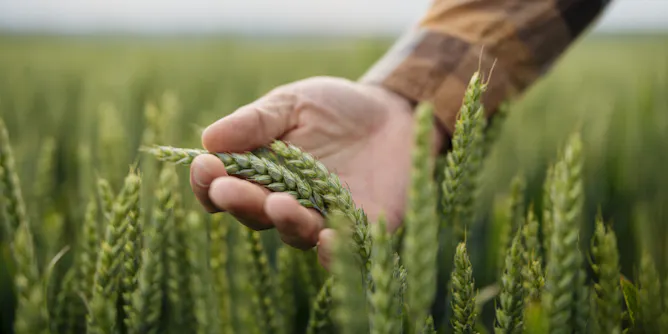
Growers across the country are grappling with surging fuel prices and inconsistent rainfall.
Articles on Wheat
Displaying 1 - 20 of 63 articles

Wheat is one of the most popular grains globally. But climate change is making it harder to grow, harvest and distribute this crucial crop.
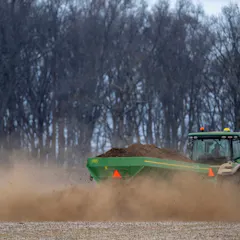
Fertilizer is more expensive and in shorter supply. Without the right amounts of fertilizer at specific times, yields drop, food prices increase and food shortages result.
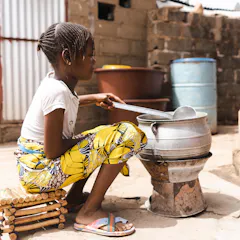
Energy price spikes will force up the cost of grain imports.
Farm bills – famously complex legislative and spending balances between farm subsidies, food assistance, conservation and more – have tended to be passed about every five years since 1933.

When Fusarium graminearum infects wheat, it can pose a risk to humans, animals and agriculture.

A new study shows gluten itself is rarely the cause of gut problems, whatever people think. But symptoms are real. So what’s really going on?
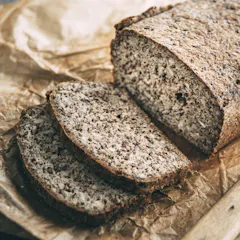
Although gluten-free foods are trendy, they are a necessity only if you have celiac disease or wheat allergies.
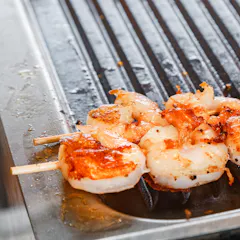
You can have a reaction to various foods, but it’s not always an allergy – the difference lies with your immune system.
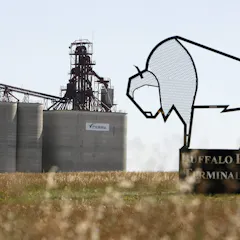
One hundred years after the founding of the once-mighty Saskatchewan Wheat Pool, the time might be ripe for a revival of Prairie farmer co-operatives.

Russia’s move, which it followed by bombing the key port city of Odesa and threatening to attack any ship sailing for Ukraine, sent global food prices skyrocketing.

If greenhouse gas emissions continue at a high rate, breadbaskets of Europe and North America will see a 50% chance of a flash drought each year by the end of this century.
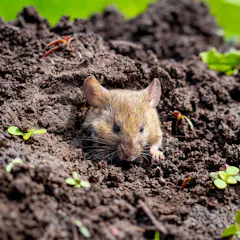
Rodents destroy around 70 million tonnes of grain each year. What if we could trick them into looking elsewhere for their food?
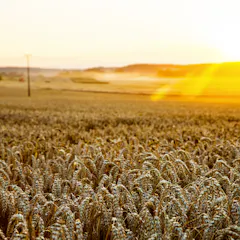
A third of South Africa’s farming income depends on irrigation. Disruptions in power supply put huge chunks of the country’s agricultural fortunes at risk.

Raw flour at the store still contains live microorganisms. And while cooking can kill the fungi, it doesn’t destroy any illness-causing mycotoxins that might be present.

South Africa’s focus should be on maintaining smooth relations with critical export markets while searching for new ones.
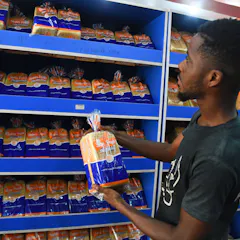
Bakers in Nigeria might go on strike again to protest rising cost of operations.
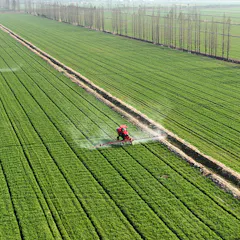
If China progressively increases production and becomes a consistent net exporter of maize, South Africa would have to explore markets elsewhere.
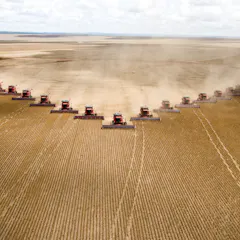
A new study finds that by 2030, less than one-third of the world’s major crop harvests will go directly to feed people.
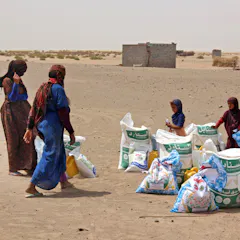
Grain and fertilizer shortages, higher shipping costs and a strong dollar are all pushing food prices up and increasing hunger in dozens of vulnerable countries.
Top contributors
-

Senior Fellow, Department of Agricultural Economics, Stellenbosch University
-
Senior Research Fellow, International Food Policy Research Institute (IFPRI)
-
Senior Research Fellow, International Food Policy Research Institute (IFPRI)
-
Senior Research Fellow, International Food Policy Research Institute (IFPRI)
-
PhD student in Plant Biology, University of Sheffield
-
Director: Research Support and Management, Nelson Mandela University
-
PhD, Political Economy, Macquarie University
-
Senior Principal Research Scientist, Farming Systems, CSIRO
-
Lecturer, University of Essex
-
Cropping Systems Modeller, CSIRO
-
Dean and Professor, College of Agriculture & Bioresources, University of Saskatchewan
-
Science Director, Biosecurity Flagship, CSIRO
-
CSIRO Fellow, CSIRO
-
Lecturer in Dietetics, Swinburne University of Technology
-
Associate Professor of Agricultural Economics, Colorado State University