
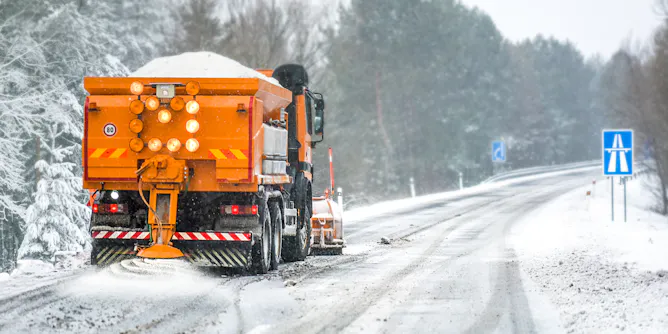
Salty water seeps into our soils and groundwater through surface runoff and storm-water pipes. The long-term storage of salt in the environment impacts aquatic life, infrastructure and drinking water.
Articles on Weather
Displaying 241 - 260 of 561 articles
Extended periods of rain are most likely found in locations where mountains are near oceans.
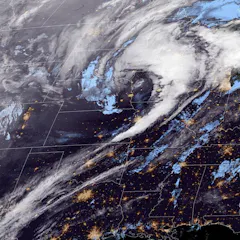
Forecasters described it as a ‘historical weather day.’ An atmospheric scientist who was at the heart of the storms explains what happened.
After one La Niña, the Pacific sometimes retains cool water which enables a second La Niña to form.
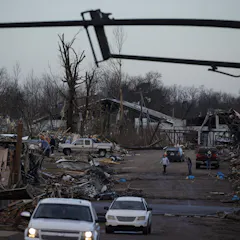
Tornadoes in December aren’t unusual in the Gulf Coast and lower Mississippi Valley states, but the Dec. 10-11 outbreak was extreme and far-reaching.

Climatologists study data over a long time to understand weather patterns and what causes them. Biometeorologists explore the impact that the weather and climate have on people, plants and animals.
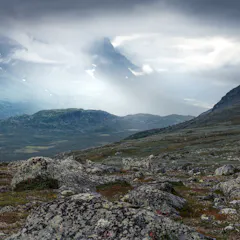
New climate simulations show that there will be more rain and less snow falling in the Arctic by the end of the century, particularly in the fall and winter.
The southern parts of Australia are expected to become increasingly dry due to climate change. Yet, we now find ourselves subject to another La Niña event. What’s going on?
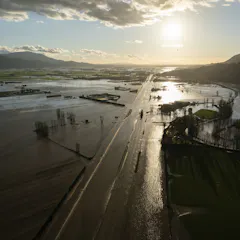
An atmospheric river is a band of warm, moisture-laden air many hundreds of kilometres long and hundreds of kilometres wide. It can dump prodigious amounts of rain over a large area.

At this stage it’s hard to know for sure, as there are many differences between the states. But it’s likely that climate plays a role.
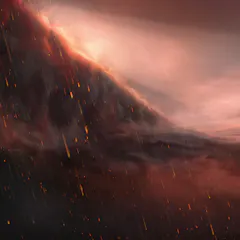
On the ultra-hot exoplanet WASP-76b, metal is vaporized in the heat. Studying the atmosphere of extreme planets will reveal more wild and weird weather.

Part of the 2021 Nobel Prize in Physics was awarded for work modeling Earth’s climate using its chaotic, complex weather. To scientists, chaos lies in the gray zone between randomness and predictability.
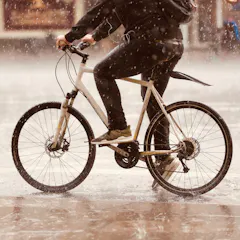
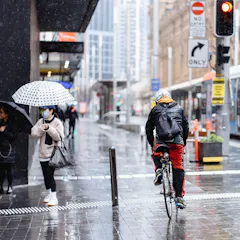
Cyclists in Melbourne are less likely than those in Dublin or Seville to ride in the rain. Understanding why is crucial.
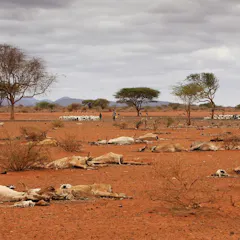
The next year appears likely to bring another sequence of La Niña-related droughts to eastern East Africa. The time to act is now or many will suffer.
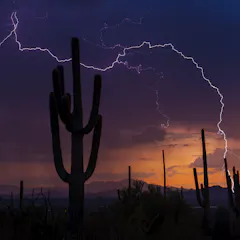
Monsoons are weather patterns that bring thunderstorms and heavy rains to hot, dry areas when warm, moist ocean air moves inland. They’re challenging to forecast, especially in a changing climate.
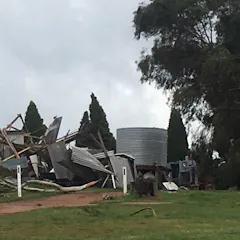
Australia has expansive areas of flat land — usually agricultural land — and it’s over these large, flat areas that tornadoes like to form.
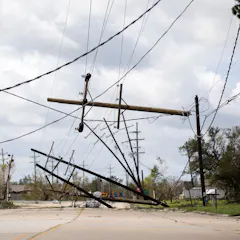
Building even more power poles and transmission lines won’t avert outages when major disasters strike.
Insects are changing their behaviour as they prepare for winter.
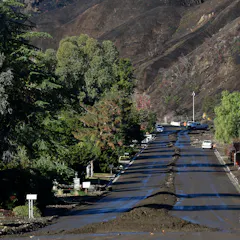
An atmospheric scientist and sailplane pilot describes why large areas of burned land can produce clouds and rainstorms.

Southern Québec is warming twice as rapidly as the rest of the world due to the progressive loss of snow cover. An average annual warming of 3 C to 6 C is expected by the end of the century.
Top contributors
-

ARC Future Fellow and Associate Professor in Climate Science, ARC Centre of Excellence for 21st Century Weather, The University of Melbourne
-
Climate scientist, Australian Bureau of Meteorology
-
Adjunct Professor (Practice) in the School of Earth, Atmosphere and Environment, Monash University
-
Climate Scientist, Australian Bureau of Meteorology
-
Adjunct Professor of Environmental Geography, CQUniversity Australia
-
Climate Scientist, Australian Bureau of Meteorology
-
Postdoctoral Research Fellow in Atmospheric Sciences, The University of Melbourne
-
Professor of Atmospheric Science and Colorado State Climatologist, Colorado State University
-
Professor emeritus, The University of Melbourne
-
Professor of Physical Geography, University of the Witwatersrand
-
Associate Professor, ARC Centre of Excellence for Weather of the 21st Century, Monash University
-
Professor emeritus, School of Earth, Atmosphere and Environment, Monash University
-
Senior Climatologist, Australian Bureau of Meteorology
-
Deputy Director, Engagement and Impact, The ARC Centre of Excellence for the Weather of the 21st Century, Australian National University
-
Climate Projections Scientist, CSIRO