
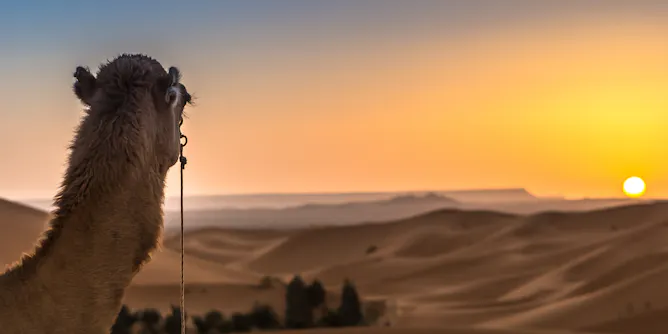
Heatwaves are often the result of these bursts of warm, southerly air.
Articles on Weather
Displaying 181 - 200 of 561 articles

If greenhouse gas emissions continue at a high rate, breadbaskets of Europe and North America will see a 50% chance of a flash drought each year by the end of this century.
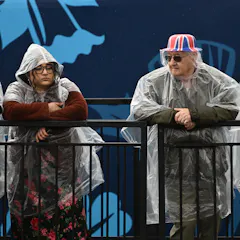
March 2023 was the wettest for 40 years in England and Wales.
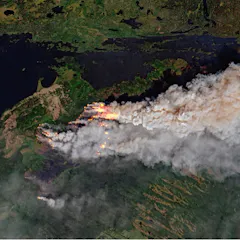
North America’s boreal forests have been burning a lot, probably more and more over the past 60 years. Yet the long-term trend indicates that they are burning less than they were 150 years ago.
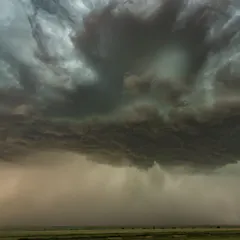
Cloud seeding – spraying materials into clouds to increase precipitation – has been around for nearly 80 years. But only recently have scientists been able to measure how effective it really is.
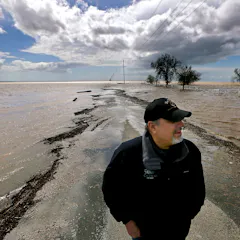
This year’s Sierra snowpack is looking a lot like 1983’s, and that was a year of flooding and mudslide disasters. A meteorologist explains what’s ahead.
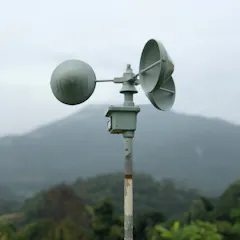
Do record-breaking wind speeds mean a particularly catastrophic storm? Not always – and it can be tricky to get precise measurements.

Very hot days in Western Sydney are typically 5 degrees hotter than parts of the city close to the coast and are becoming more common, but only in the west. Four climate drivers explain the difference.

Erratic weather patterns occurring due to climate change may become a more significant factor affecting the season start and ice-building processes in the future.

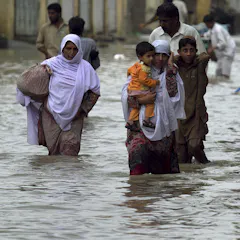
Recognizing the challenges posed by climate-induced displacement is important. But officials must avoid rhetoric about displaced people that can fuel xenophobia.

It can be disruptive or refreshing, and we feel it every single day. But do you ever stop to think what creates wind on our planet?
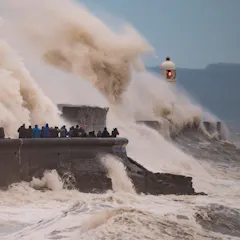
An expert explains why the UK’s winter has been relatively calm.
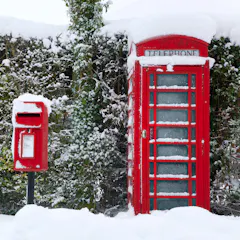
It’s important to be prepared for snow but UK winter weather forecasts can be unreliable. Here’s why.
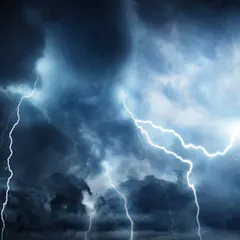
This high voltage experiment isn’t one you’ll be able to try at home.
Globally, the air is getting hotter and drier, which means flash droughts and risky fire conditions are developing faster and more frequently.
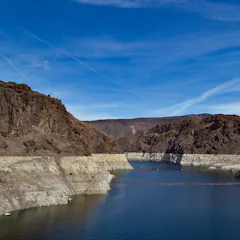
Unprecedented droughts leave the subsurface drier than usual, affecting water supply in subsequent years.

A heatwave across northern Australia comes as a shock to the system. The impacts of heat are worst in early summer when we’ve had less time to acclimatise, so it’s important to heed health warnings.

On average, Sydney and Rome get more rain than London each year.
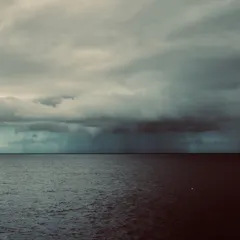
The findings have big implications for how Australians prepare for extreme weather events.
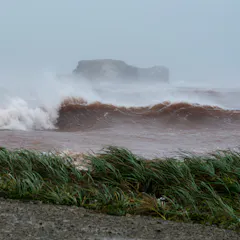
Storm Fiona caused a lot of property damage and erosion on the Canadian coast. But its effects are also felt in the depths of the Gulf of St. Lawrence.
Top contributors
-

ARC Future Fellow and Associate Professor in Climate Science, ARC Centre of Excellence for 21st Century Weather, The University of Melbourne
-
Climate scientist, Australian Bureau of Meteorology
-
Adjunct Professor (Practice) in the School of Earth, Atmosphere and Environment, Monash University
-
Climate Scientist, Australian Bureau of Meteorology
-
Adjunct Professor of Environmental Geography, CQUniversity Australia
-
Climate Scientist, Australian Bureau of Meteorology
-
Postdoctoral Research Fellow in Atmospheric Sciences, The University of Melbourne
-
Professor of Atmospheric Science and Colorado State Climatologist, Colorado State University
-
Professor emeritus, The University of Melbourne
-
Professor of Physical Geography, University of the Witwatersrand
-
Associate Professor, ARC Centre of Excellence for Weather of the 21st Century, Monash University
-
Professor emeritus, School of Earth, Atmosphere and Environment, Monash University
-
Senior Climatologist, Australian Bureau of Meteorology
-
Deputy Director, Engagement and Impact, The ARC Centre of Excellence for the Weather of the 21st Century, Australian National University
-
Climate Projections Scientist, CSIRO