
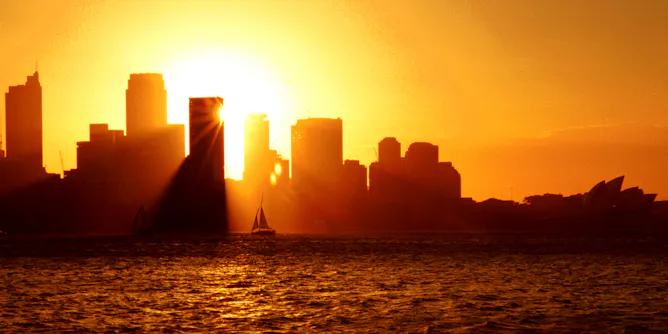
A changing climate means parts of Australia will get hotter, some drier, others wetter and we can expect more extreme fire days.
Articles on Weather
Displaying 301 - 320 of 561 articles

As the coronavirus pandemic continues, and the colder weather approaches, new mathematical models are needed to study changing social behaviours and indoor spaces.
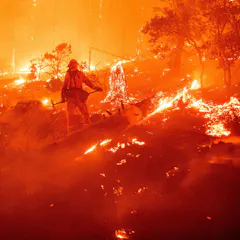
The 2020 wildfire season shattered records across the West. It’s part of a trend that’s headed in a dangerous direction.
The threats of climate change to plants, animals and people in Africa mean that the continent is an excellent place for biometeorological research.
Mosquitoes love the wetter weather La Niña brings to some parts of Australia. But will we see more mosquito-borne disease?
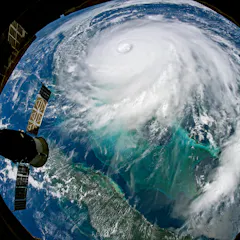
Hurricane stalling has become common over the past half-century, and their average forward speed has also slowed.
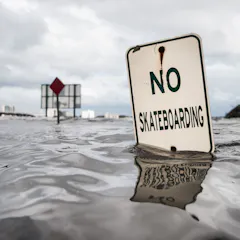
How destructive storm surge gets depends on both the hurricane and the shape of the land.
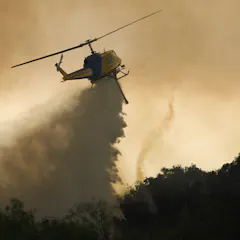
Persistent heat waves and dry lightning are part of the problem. For firefighters, the erratic behavior gets dangerous quickly.
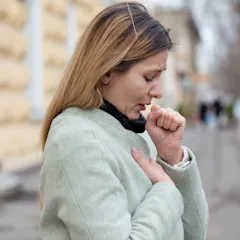
We can’t change the weather. But understanding how COVID-19 behaves in different conditions can help us respond to the pandemic.
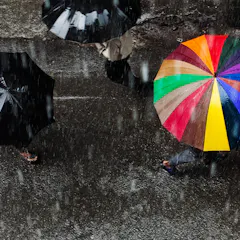
Some rainstorms drench you in a second, while others drop rain in a nice peaceful drizzle. A meteorologist explains how rainstorms can be so different.
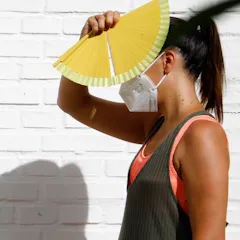
Knowing who has had the coronavirus relies on testing – which itself is influenced by the weather.
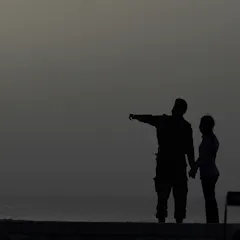
From June through October, it’s not unusual for huge Saharan dust plumes to blow across the Atlantic. They can darken skies but also bring calmer weather and electric sunsets. Here’s how they form.
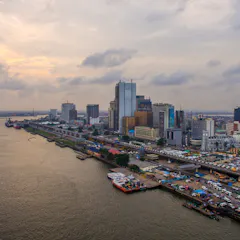
High temperatures, periods of increased relative humidity and more rainfall are likely to happen more in Nigeria’s coastal region under future global warming.
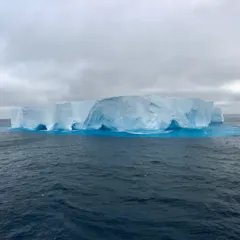
Climate models have been overestimating how much sunlight hits the Southern Ocean. This is because the clouds there are different from clouds anywhere else. Bacterial DNA helped us understand why.
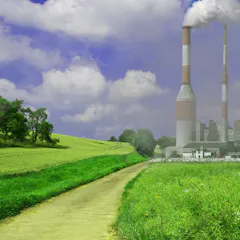
Despite clear air as a result of the pandemic reducing human activities, our emissions still soar.
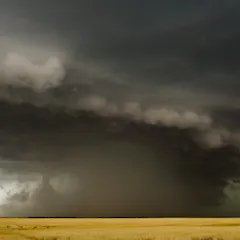
Hurricane and tornado winds spin in circles, but there’s another, equally dangerous storm type where winds barrel straight ahead. They’re called derechos, and are most common in summer.
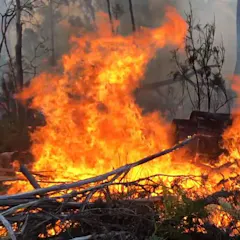
It was June last year when the first bushfires started in what became known as the Black Summer that claimed lives and destroyed homes.
Examining old vegetation sediments to learn about shifting weather patterns and climate change.
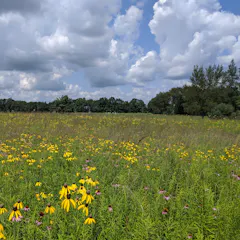
Restoring former prairies that have been plowed under for farming delivers land, wildlife and climate benefits. But a new study finds that the weather plays a surprising role.
You might have already felt what it would be like inside a cloud made of condensed water vapor.
Top contributors
-

ARC Future Fellow and Associate Professor in Climate Science, ARC Centre of Excellence for 21st Century Weather, The University of Melbourne
-
Climate scientist, Australian Bureau of Meteorology
-
Adjunct Professor (Practice) in the School of Earth, Atmosphere and Environment, Monash University
-
Climate Scientist, Australian Bureau of Meteorology
-
Adjunct Professor of Environmental Geography, CQUniversity Australia
-
Climate Scientist, Australian Bureau of Meteorology
-
Postdoctoral Research Fellow in Atmospheric Sciences, The University of Melbourne
-
Professor of Atmospheric Science and Colorado State Climatologist, Colorado State University
-
Professor emeritus, The University of Melbourne
-
Professor of Physical Geography, University of the Witwatersrand
-
Associate Professor, ARC Centre of Excellence for Weather of the 21st Century, Monash University
-
Professor emeritus, School of Earth, Atmosphere and Environment, Monash University
-
Senior Climatologist, Australian Bureau of Meteorology
-
Deputy Director, Engagement and Impact, The ARC Centre of Excellence for the Weather of the 21st Century, Australian National University
-
Climate Projections Scientist, CSIRO