

Australian plumbing standards require apartment buildings to have systems designed for three times their actual peak water use. This can lead to costly water damage on top of inflated building costs.
Articles on Water use
Displaying 41 - 60 of 109 articles

Paris successfully took water back into public ownership. There is growing evidence to suggest England should do the same.

Rationing water at home will benefit moisture-starved ecosystems.
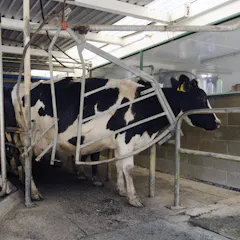
A new study of dairying in Canterbury shows previous estimates vastly underestimate the impact of intensive farming. A 12-fold reduction in cow numbers could be needed to meet safe water standards.
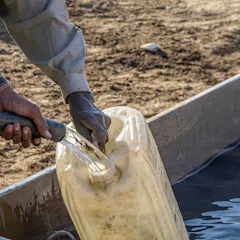
Groundwater has the potential to support broad economic, humanitarian and social development in sub-Saharan Africa, as it has in other regions globally.
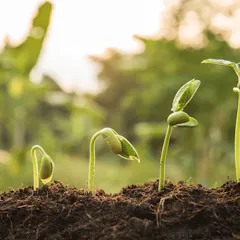
When plants moved from living in water to land, they had to adapt. How that happened can help address food security.
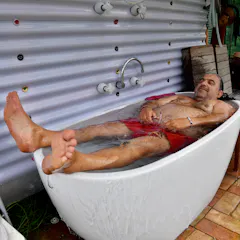
A draft plan for Sydney’s water supplies includes expanding desalination and potentially adding highly treated sewage to drinking water. All options must be on the table as the climate warms.

It’s about developing a community of practice: people who can work alongside scientists, taking science out of the laboratory and into the field.
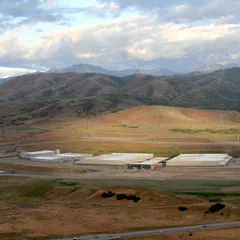
‘Hyperscale’ warehouses filled with computer servers use water for electricity and cooling.
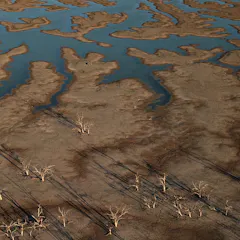
A new book says Australia’s 20-year water trading experiment is sucking hundreds of millions of dollars each year out of the Murray-Darling Basin and directing water away from productive land.
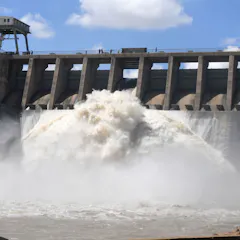
Gauteng citizens need to know the uncomfortable truth: for the next six years, their water supplies will increasingly have to be restricted.
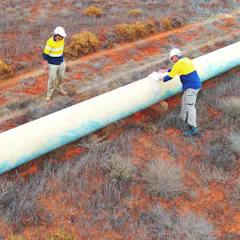
Pipelines, dams, gadgets: does water management really need to be all about control and power? Adopting less masculine ideas and working with nature may be more prudent.

With fewer people commuting, home water use changed radically overnight in March 2020.
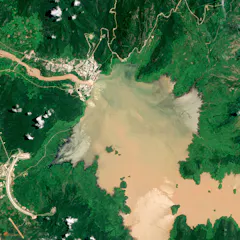
Nile communities carefully monitored and recorded the river’s flow. Centuries later these records are still being used by water resource managers around the world to analyse unpredictable river flows.
CC BY-NC-ND6.39 MB (download)
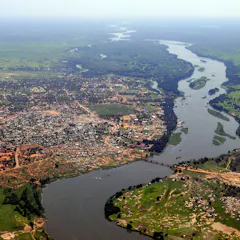
It won’t be easy to get the 11 countries in the basin to agree to a plan that avoids chronic water shortages in the future. Good information sharing and technical cooperation are critical.
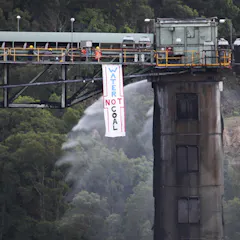
The damage mining causes to Sydney’s water supplies is unsustainable, and the law has failed to stop it.

Given long-term forecasts for growing urban populations and an increasingly variable climate, local authorities will have to think about how best to encourage people to conserve water.
CC BY-NC-ND11.3 MB (download)
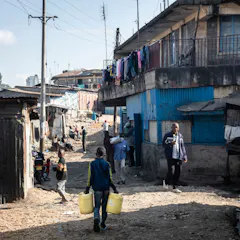
The main reason for the growth of the informal water market is government failure to deliver adequate public services.
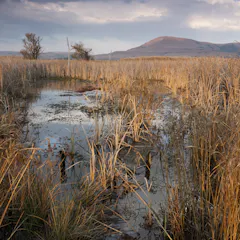
A court victory by an NGO against a South African municipality has laid bare the red tape and misgovernance that often burdens the process of issuing water licenses.

Tourism ventures in a water-stressed region like southern Africa need to balance the needs of guests and staff with the needs of surrounding communities.
Top contributors
-

Associate Professor in Environmental Science, Western Sydney University
-
Visiting Adjunct Professor, School of Governance, University of the Witwatersrand
-
Honorary Associate Professor, Australian National University
-
Senior Lecturer, Western Sydney University
-
Honorary Fellow, Infrastructure Engineering, The University of Melbourne
-
Postdoctoral Research Fellow, Global Change Institute, University of the Witwatersrand
-
Professor in the Department of Government, University of Essex
-
Australian Laureate Professor of Economics, Crawford School of Public Policy, Australian National University
-
Executive Co-Director, Institute for Water, Environment and Health (UNU-INWEH), United Nations University; Technical University of Hamburg
-
Executive Co-Director, UNU Hub on Empowering Communities to Adapt to Environmental Change, United Nations University; University of Calgary
-
Postdoctoral Research Associate at the School of Biosciences, Cardiff University
-
Associate Professor in Law, The University of Melbourne
-
Senior Scholar in Environmental & Geographical Science, University of Cape Town
-
Associate Professor & Global Challenge Lead, Urban Transformations Research Centre, Western Sydney University; University of British Columbia
-
Professor of Environmental Engineering, Deakin University