
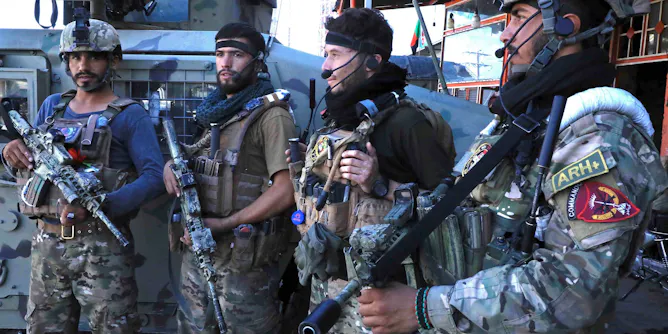
Herat is home to an India-built dam that provides water for drinking, irrigation and bathing for much of western Afghanistan. If the Taliban control that water, they control the population.
Articles on Water resources
Displaying 21 - 40 of 40 articles
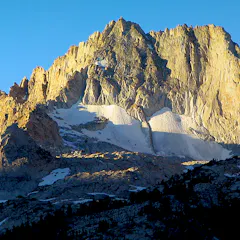
As rivers run dry in the Rocky Mountains and the West, it’s easy to wonder where all the snow you see on mountain peaks goes. Some of it ends up in the air, but researchers aren’t sure how much.
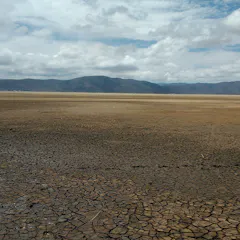
It’s an ecological disaster, but my research shows we should not lose hope.
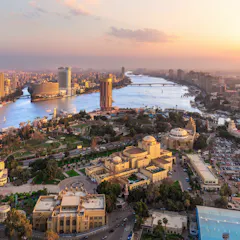
Treaties are needed to govern water resource allocation in the Nile basin region. For this to happen it’s critical to have accurate data on how much water there is.
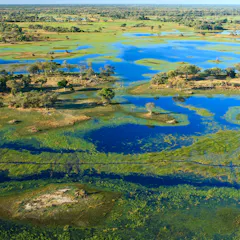
Fracking in Botswana could have an impact not only the country’s groundwater, but also that of Namibia and South Africa.
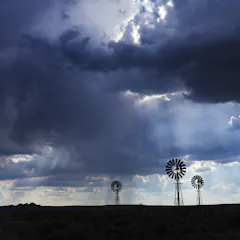
Trends across the different rainfall zones can be linked to changes recorded for large-scale climate systems.
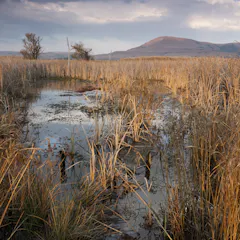
A court victory by an NGO against a South African municipality has laid bare the red tape and misgovernance that often burdens the process of issuing water licenses.
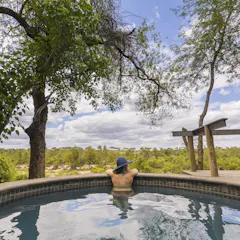
Tourism ventures in a water-stressed region like southern Africa need to balance the needs of guests and staff with the needs of surrounding communities.
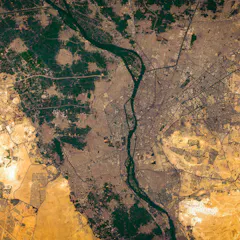
Despite more rainfall, devastating hot and dry spells are projected to become more frequent in the Upper Nile basin in the future.

The ‘New Bradfield’ scheme seeks to revive a nation-building ethos supposedly stifled by bureaucratic inertia. But there are good reasons the scheme never became a reality.
Government leadership is needed to manage the aquifer as a system for all, including environmental services, rather than for the powerful few.
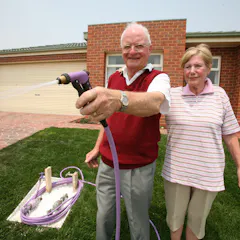
Cities relied entirely on conserving and recycling water to get through the last big drought. We now have desalination plants, but getting the most out of our water reserves still makes sense.
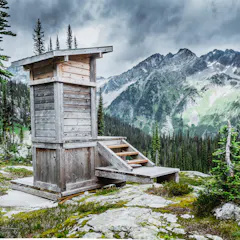
If you want to live like a local when on holiday, you should defecate like one.
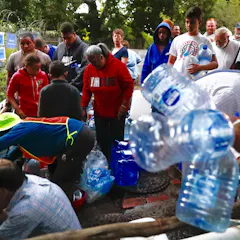
The situation in Perth in particular has some parallels to that of Cape Town, but Australian cities responded to the last big drought by investing in much bigger water supply and storage capacity.

With an ever-increasing cost to extract dwindling raw materials, it’s time to look at cities as urban mines. We’re developing the tools to do that.
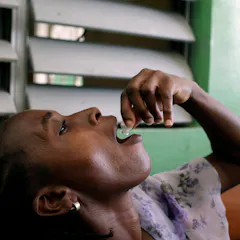
Many states in Nigeria are reeling from cholera outbreaks. They need better health and sanitation infrastructure to disrupt transmission of the bacteria which cause the disease.
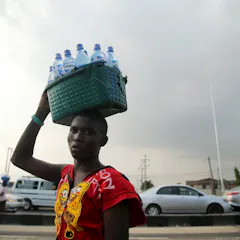
Nigeria is rich in water resources. but poor management has led to water scarcity in the country.
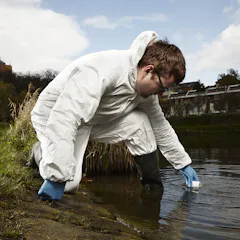
Some water researchers are ignoring the evidence offered by sampling if it doesn’t fit their preconceived notions. But science should always be honest and open.
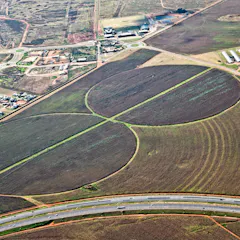
Urbanisation will require massive amounts of water to sustain the livelihoods of millions expected to move into cities. This may happen at farmers’ expense.
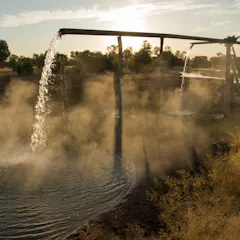
There’s enough water under the ground to form a lake 100m deep over the earth.
Top contributors
-

Associate Professor in the Centre for Environmental Management, University of the Free State
-
Associate Professor and Water Management Expert, University of South Africa
-
Associate Professor in Environmental Science, Western Sydney University
-
Senior lecturer, Nelson Mandela University
-
Director of the Institute for Water, Environment and Health (UNU-INWEH), United Nations University
-
Senior Lecturer in Marketing, University of Nottingham
-
Public Health Physician and Senior Lecturer, College of Medicine, University of Lagos
-
Professor of Civil & Environmental Engineering and Earth System Science, University of California, Irvine
-
Associate Professor of Civil Engineering, Boise State University; United Nations University
-
Professor and Director of the Institute for Water Research, Rhodes University
-
Associate Professor of Water Resources Engineering, Oklahoma State University
-
Associate Professor in Construction and Environmental Performance, The University of Melbourne
-
Senior Lecturer, Western Sydney University
-
Visiting Adjunct Professor, School of Governance, University of the Witwatersrand
-
Hydrogeologist, Universitat Politècnica de Catalunya - BarcelonaTech