
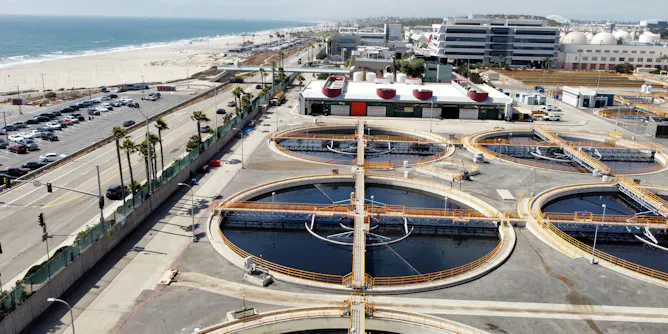
Desalination of seawater and sewage treatment plants leave behind water that contains high concentrations of salt, metals and other contaminants. What if that water could be separated from the rest?
Articles on Water resources
Displaying 1 - 20 of 40 articles

Iran’s sprawling cities and irrigated agriculture, along with tight market controls, have left the country vulnerable to drought. There are steps that would help.

With federal departments facing budget cuts, protecting the Prairies’ waters will require a nimbler, collaborative model.

The country should focus on reusing water and demanding less of it in the first place.

Australia now has more than enough evidence that proposals to build big dams consistently underestimate both the construction costs and the harm they do.

Policy reform is urgently needed to make water use in Australia sustainable, but it won’t be effective unless it’s based on facts.
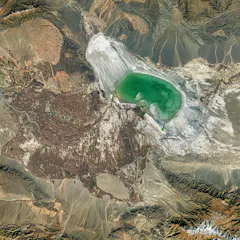
The water levels of saline lakes depend on a delicate balance between water inputs and outputs. This means they can provide an early warning of disruptions to our water resources.
New research shows turning northern rivers inland to irrigate Australia’s dry interior would not increase rainfall. This is another argument against the Bradfield scheme.

Climate change is putting pressure on Ethiopia’s largest city, Addis Ababa, and exposing people to disease and natural disasters.
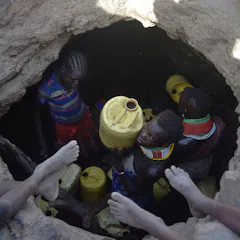
Better monitoring of groundwater is important for sustainable management.
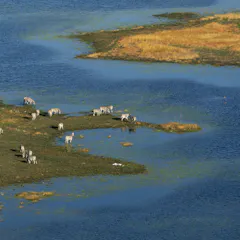
Oil and gas exploration pose a threat to the Okavango River Basin water resources. The Namibian and Botswana governments need to properly assess the risk of contamination.

The primary reasons for the systemic collapse include poor operation, defective infrastructure, the absence of disinfection chemicals, and lack of monitoring.

We detected 180 contaminants in treated and untreated water. None of those found in treated water breached human health guidelines, but we should not forget about potential impacts on the environment.
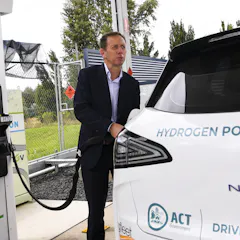
Australia’s emerging green hydrogen industry requires a secure supply of high-quality water. Competing demands for this scarce resource mean careful planning is needed to meet all water users’ needs.
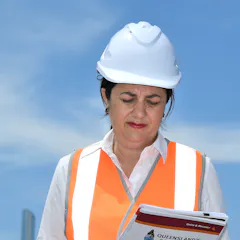
Australian politicians have a history of opting for high-cost, high-emissions desalination projects. The Queensland government is still wary of using the largely untapped resource of recycled water.
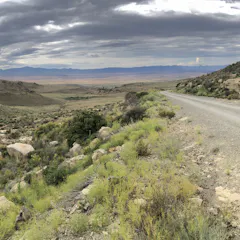
New regulations for protecting water resources during oil exploration are inadequate and should be reviewed.

We need a radical rethink of water resource planning. Strategies should include reusing water and moving water physically to water-scarce areas.
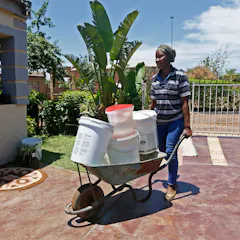
South Africa’s dams are overflowing but the country is still facing water supply challenges.
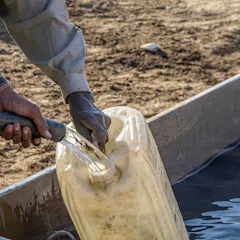
Groundwater has the potential to support broad economic, humanitarian and social development in sub-Saharan Africa, as it has in other regions globally.
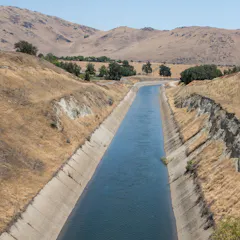
Long before climate change was evident, California began planning a system of canals and reservoirs to carry water from the mountains to drier farms and cities. It’s no longer enough.
Top contributors
-

Associate Professor in the Centre for Environmental Management, University of the Free State
-
Associate Professor and Water Management Expert, University of South Africa
-
Associate Professor in Environmental Science, Western Sydney University
-
Senior lecturer, Nelson Mandela University
-
Director of the Institute for Water, Environment and Health (UNU-INWEH), United Nations University
-
Senior Lecturer in Marketing, University of Nottingham
-
Public Health Physician and Senior Lecturer, College of Medicine, University of Lagos
-
Professor of Civil & Environmental Engineering and Earth System Science, University of California, Irvine
-
Associate Professor of Civil Engineering, Boise State University; United Nations University
-
Professor and Director of the Institute for Water Research, Rhodes University
-
Associate Professor of Water Resources Engineering, Oklahoma State University
-
Associate Professor in Construction and Environmental Performance, The University of Melbourne
-
Senior Lecturer, Western Sydney University
-
Visiting Adjunct Professor, School of Governance, University of the Witwatersrand
-
Hydrogeologist, Universitat Politècnica de Catalunya - BarcelonaTech