
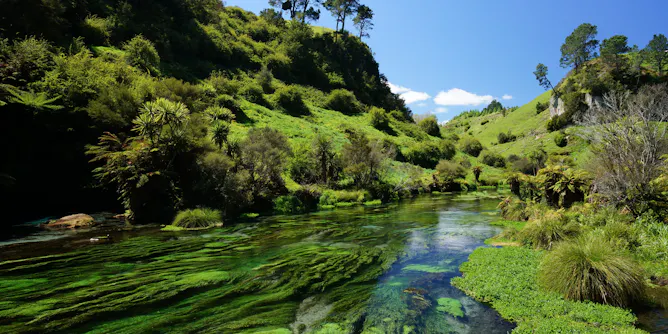
A proposed plan to clean up New Zealand’s waterways draws clear limits on the expansion of dairy farming and irrigation, as well as on the use of nitrogen fertiliser in some key areas.
Articles on Water management
Displaying 41 - 60 of 88 articles
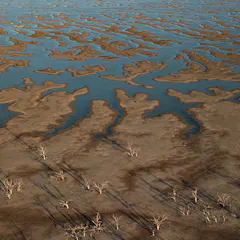
High water prices in the Murray-Darling Basin are blamed on foreign investors and corporate speculators. The simple truth is they are caused mostly by lack of rain.
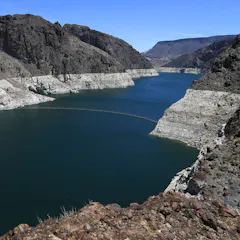
Western states adopted a 7-year plan in May 2019 to manage low water levels in the Colorado River. Now they need to look farther ahead and accept that there will be less water far into the future.

Any policies and interventions around water management can only really be successful if women are included.
While making small volumes of pure water in a lab is possible, it’s not practical. The reaction is expensive, releases lots of energy, and can cause really massive explosions.
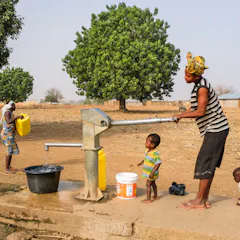
Many African countries tend to mismanage their groundwater resources.
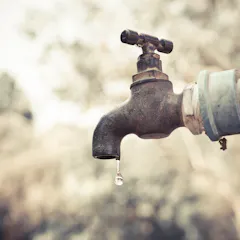
South Africa is a water stressed country but crisis point can be avoided.
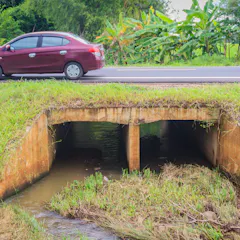
Our new invention tackles one of the greatest impediments to fish migration in Australia: culverts, those tunnels or drains often found under roads.
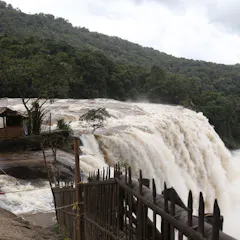
Green infrastructure can be a valuable tool in helping vulnerable communities to face the double threat of flooding and drought.
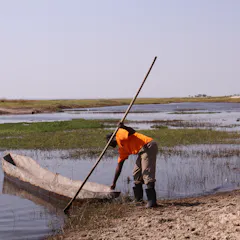
African countries need to urgently develop coherent and strategic policies around water, land and agriculture.

Cape Town faced down “Day Zero” earlier this year, but that doesn’t mean its water system is resilient. Other cities should also take note.

A number of factors have contributed to the horrible stories coming out of the Royal Commission, including market instability and the financialisation of farming.
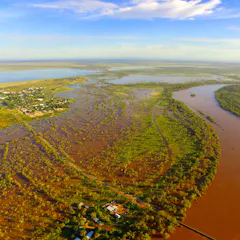
The new Martuwarra Fitzroy River Council aims to overcome a management problem faced by many traditional owners: the fact that major rivers flow through lands home to many different groups and languages.
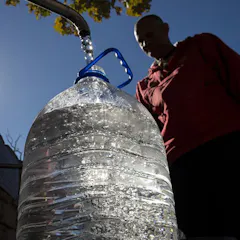
In South Africa, Cape Town fears “Day Zero”, when the city will have to ration water drastically. The phenomenon threatens other cities as well but solutions exist.
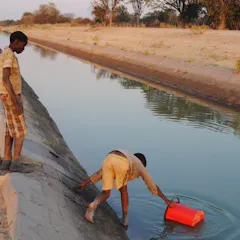
Namibia has followed a community based water management strategy.

Water is one of our most precious resources, yet it’s in danger. World Water Day reminds us of the need to develop policies and governance to avoid squandering water.
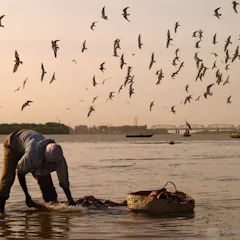
Nature based approaches to solving water problems originated in Europe and don’t take into account Africa’s huge infrastructure deficit.
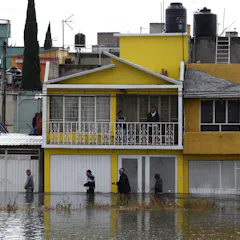
In many Mexican cities, water is treated as a political bargaining chip – a favor that public officials can trade for votes, bribes or power.
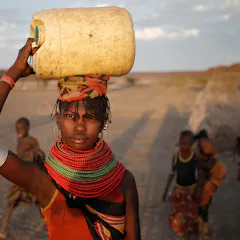
New ways of managing water have emerged in some of Africa’s urban and peri-urban areas.
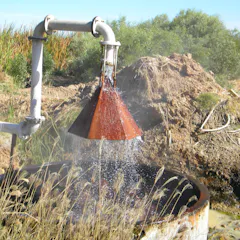
Groundwater is out of sight, but it shouldn’t be out of mind. As cities struggle to cope with drought, we should remember that our largest stocks of water are hidden deep underground.
Top contributors
-

Honorary Fellow, Infrastructure Engineering, The University of Melbourne
-
Visiting Adjunct Professor, School of Governance, University of the Witwatersrand
-
Distinguished visiting professor, University of Glasgow
-
Matthew Flinders Professor in Water Economics, Flinders University
-
Researcher, Institute for Water, Environment and Health, United Nations University; University of Calgary
-
Reader / Associate Professor in Environmental Geoscience, Sheffield Hallam University
-
Adjunct Associate Professor, Centre for Regional and Rural Futures, Deakin University
-
Australian Laureate Professor of Economics, Crawford School of Public Policy, Australian National University
-
Visiting professor, University of Saskatchewan
-
Distinguished Professor in Biophysics, Australian National University
-
Research Engineer at Utah Water Research Laboratory, Utah State University
-
Postdoctoral fellow, University of British Columbia
-
Associate Professor, Department of Ecology, Environment and Evolution, La Trobe University
-
Environmental Scientist, La Trobe University
-
Senior Lecturer in Accounting, Adelaide University