
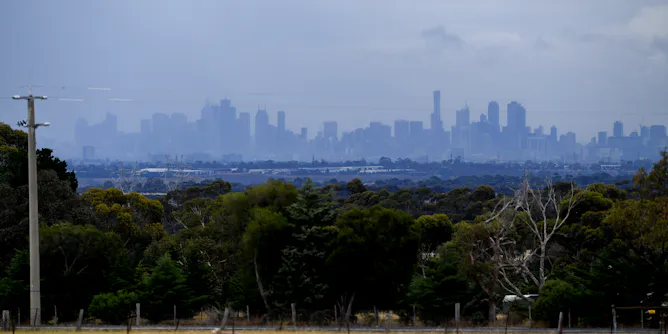
The experiences of other countries can provide valuable lessons for Cape Town on how to better cope with its water crisis.
Articles on Water management
Displaying 61 - 80 of 88 articles

The transnational project conceived 30 years ago to replenish the drying waters of Lake Chad finally seems poised to take off. But first, internal politics within member states must be overcome.
Engineering solutions are popular interventions, but cities cannot simply pipe away flood risk. Chinese sponge cities offer a way forward.
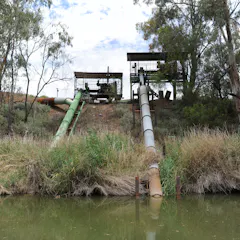
The system that allocates water use in Australia’s largest river basin relies on a shared commitment by states to uphold the rules. New allegations of water theft threaten to break that trust.
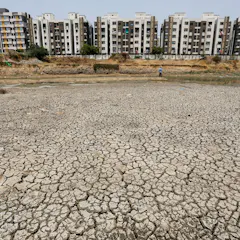
Hit by weak monsoons, India faces unprecedented water shortages.
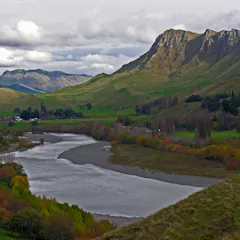
New Zealand’s economically driven approach to ecological decline risks entrenching environmental problems rather than solving them.
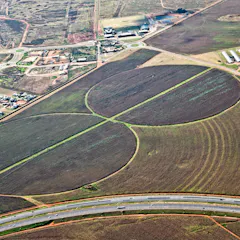
Urbanisation will require massive amounts of water to sustain the livelihoods of millions expected to move into cities. This may happen at farmers’ expense.

Toxic algal blooms were unheard of in Australia’s major waterways before 1991. Now the Murray River has been struck by four major events in less than a decade, with more likely in the future.
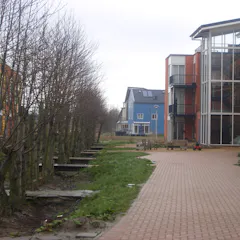
Green infrastructure can be delivered relatively easily using existing planning processes. The main obstacle could be psychological: planners are wary of disruption to embedded practices.
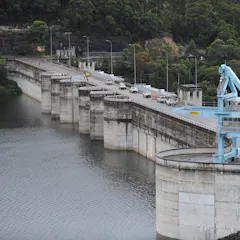
The cutting of senior staff from WaterNSW, the body that oversees the safety of Sydney’s water supply, poses serious risks to Australia’s most complex water network.

Distinguished Professor Graham Farquhar has received this year’s Prime Minister’s Prize for Science for his pioneering research into photosynthesis.
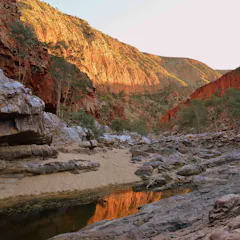
The Outback covers 70% of Australia, and its water is precious and scarce. Yet there is no joined-up plan to monitor and manage Outback water, despite the wealth of species and communities that depend on it.
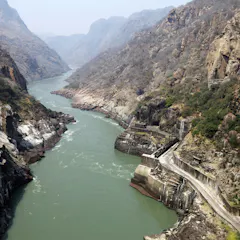
Southern African countries do not face water scarcity and do not need to build joint water projects. But they do need talk to each other to avoid misunderstandings.

The majority of water that people use goes to agriculture. In a drier, hungrier future, we’ll need to use what water we have with less waste. Technologies being developed now will help.
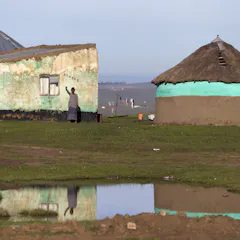
Managing Africa’s water sources is a matter of vital importance for people to have any hope of surviving on the continent

As all good Monty Python fans know, water technologies feature large in the legacy of benefits left by Roman civilisation. But while aqueducts, sewers and baths retain an obvious presence in the landscape…
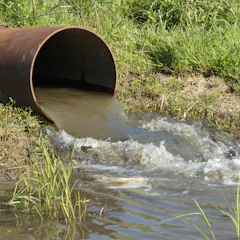
The amount of water at the Earth’s surface is pretty constant, but in many parts of the developed world we are running out of the right sort of water, and our ability to access it. The severe water shortages…

As part of its budget cuts, the federal government plans to disband the Water Accounting Standards Board, which looks after water accounting. But is this leaving business high and dry? Water accounting…
A petition on the human right to water, signed by 1.8m people across Europe, was presented last month in Brussels. The petition called on the European Commission to recognise the UN resolution that water…
There’s been much debate this past month about Britain’s rising gas and electricity bills. Price hikes have followed utility companies’ reports of massive increases in profits, such as Scottish Power which…
Top contributors
-

Honorary Fellow, Infrastructure Engineering, The University of Melbourne
-
Visiting Adjunct Professor, School of Governance, University of the Witwatersrand
-
Distinguished visiting professor, University of Glasgow
-
Matthew Flinders Professor in Water Economics, Flinders University
-
Researcher, Institute for Water, Environment and Health, United Nations University; University of Calgary
-
Reader / Associate Professor in Environmental Geoscience, Sheffield Hallam University
-
Adjunct Associate Professor, Centre for Regional and Rural Futures, Deakin University
-
Australian Laureate Professor of Economics, Crawford School of Public Policy, Australian National University
-
Visiting professor, University of Saskatchewan
-
Distinguished Professor in Biophysics, Australian National University
-
Research Engineer at Utah Water Research Laboratory, Utah State University
-
Postdoctoral fellow, University of British Columbia
-
Associate Professor, Department of Ecology, Environment and Evolution, La Trobe University
-
Environmental Scientist, La Trobe University
-
Senior Lecturer in Accounting, Adelaide University