

The actions of failing water companies often follow a familiar pattern.
Articles on Water infrastructure
Displaying 1 - 20 of 32 articles
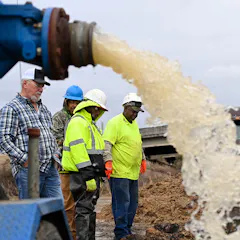
Extreme downpours and droughts, both fueled by rising global temperatures, are taking a toll. Communities trying to manage the threats face three big challenges.
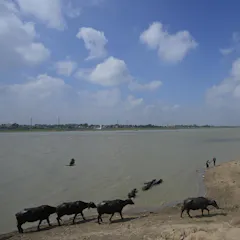
Achieving continuous supply requires both a realistic assessment of the situation and a realistic plan to meet the goal. The Government of India’s new initiatives have neither.
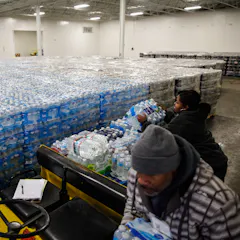
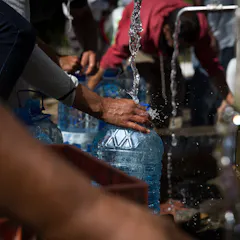
Dependence on bottled water weakens pressure to fix tap-water problems. Who pays the price?
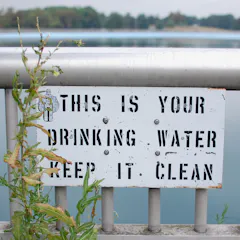
A webinar hosted by The Conversation brings together experts in law, health, policy and Indigenous affairs to explain some of the most pressing problems related to water in the US.

The primary reasons for the systemic collapse include poor operation, defective infrastructure, the absence of disinfection chemicals, and lack of monitoring.
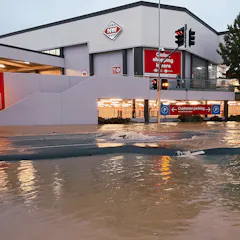
The more hard surfaces we build, the more stormwater we need to drain. Auckland must future-proof its urban design as climate change bites.
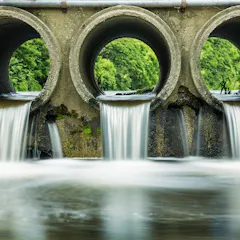
Twenty years ago this month the UN affirmed that water is a human right – can this help resolve the political stand-off over New Zealand’s Three Waters reforms?

There’s an urgent need to put water higher on South Africa’s agenda. Various water problems are escalating at a rapid rate.
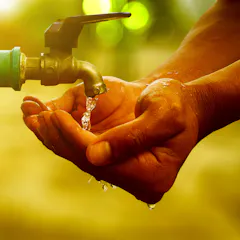
Water is a critical resource, enabling socio-economic development.
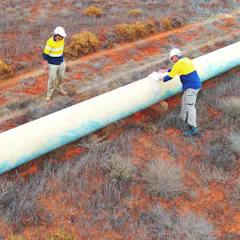
Pipelines, dams, gadgets: does water management really need to be all about control and power? Adopting less masculine ideas and working with nature may be more prudent.
New research finds that tap water avoidance is on the rise in the US, especially among minorities. An expert on water and health calls for better public education about water quality and testing.
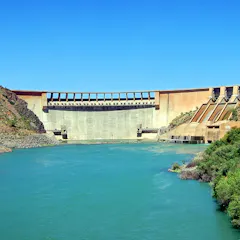
The agency will ensure that large water users such as municipalities, public utilities and large companies continue to fund the construction and operation of the large water systems they depend on.
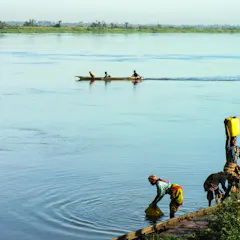
The importance of accessing water that’s safe to drink and enough for washing, cleaning and cooking is clear, but little attention has been given to the safety of water collection away from home.

What was once the stuff of urban legends now spreads virally through social media claims the tunnels beneath our cities are used for child trafficking. The truth is both more mundane and important.

Smaller projects are better for delivering broad, long-term value to communities across the country, reducing inequality and cutting emissions, as well as quickly providing jobs and economic stimulus.
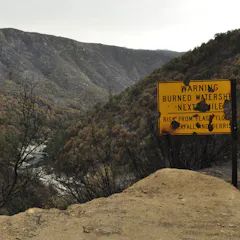
Wildfires reduce the reliability of city water supplies in North America. But active forest management provides a key to the solution.

In many municipalities, aging water infrastructure is serving fewer people than it was built to accommodate. Out of sight has meant out of mind – but resulting changes in water quality may affect safety.
Cape Town’s draft strategy on water supply is out for comment, but important elements are missing from it.
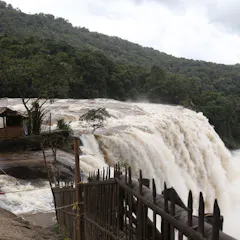
Green infrastructure can be a valuable tool in helping vulnerable communities to face the double threat of flooding and drought.
Top contributors
-

Associate Professor and Water Management Expert, University of South Africa
-
Associate Professor – Hydroclimatology, University of Newcastle
-
Professor of Integrated Water Systems, University of Sheffield
-
Adjunct Professor, Global, Urban and Social Studies, RMIT University
-
Chair, Smart Cities Research Institute, Swinburne University of Technology
-
Scholarly Director of the MacEachen Institute for Public Policy and Governance, Dalhousie University
-
Honorary Director, Centre for Infrastructure Research, University of Auckland, Waipapa Taumata Rau
-
Lecturer, Australian Urban Design Research Centre, The University of Western Australia
-
Professor Sustainability and Urban Governance, RMIT University
-
Reader / Associate Professor in Environmental Geoscience, Sheffield Hallam University
-
Professor, School of Planning, University of Waterloo
-
Cynthia Mitchell is a Friend of The Conversation.
Professor of Sustainability, Institute for Sustainable Futures, University of Technology Sydney
-
Professor, Faculty of Environmental and Urban Change, York University, Canada
-
Principal researcher; also Coordinator of the global partnership GRIPP, Groundwater Solutions Initiative for Policy and Practice, International Water Management Institute
-
Senior Lecturer in Marketing, University of Nottingham