
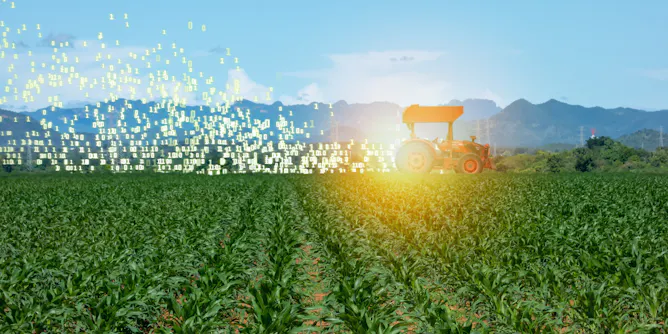
Year round local food production is within our grasp, and will slash agriculture’s climate impact — but only if we embrace agricultural technology.
Articles on Water footprint
Displaying 1 - 20 of 24 articles

The process that brought you your morning latte could have produced half a kilogram of CO₂.

Dairy has the biggest environmental footprint, but some plant-based alternatives come with a number of environmental issues, too.
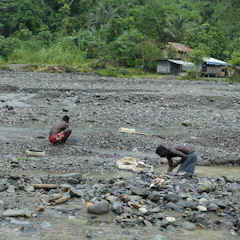
This mine has destroyed thousands of lives and livelihoods in Bougainville, an island in Papua New Guinea. It’s time Rio Tinto cleaned up its mess.
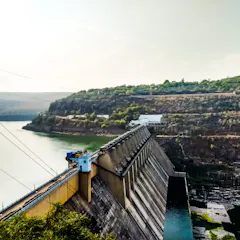
India’s civil society, which for the past 30 years has been critical of India’s water policies, now has the opportunity to drive the policy recommendations for water management.

Using sustainable cement would shift Earth Overshoot Day back by 10 days.
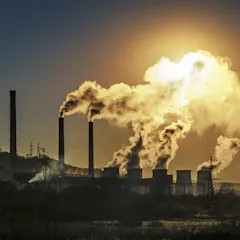
“Frankly, why should any hospital purchase coal-fired energy when it produces toxic air pollution that harms health?”
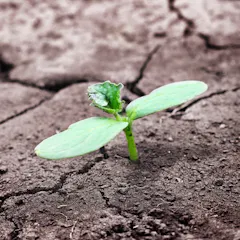
How to trigger eco-innovations after COVID-19.
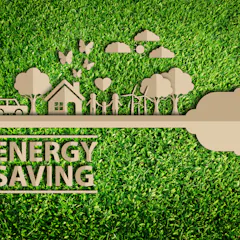
Centrally switching water heaters on and off at specific times can distribute the demand for electricity and lead to energy saving.

Britain’s electricity supply is getting greener but the burning question remains over how to decarbonise heating.

Supply chains can amount to four times an organisation’s own operational carbon footprint.

Households generate a large share of national greenhouse gas emissions and can take steps to reduce them.

The digital economy is taking off. So are the greenhouse gas emissions, electronic waste and pollution associated with it.
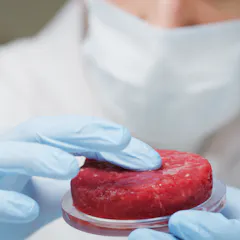
According to some, meat “grown” in a laboratory would only have advantages: an end to animal abuse, preservation of the environment… But the reality is less idyllic.
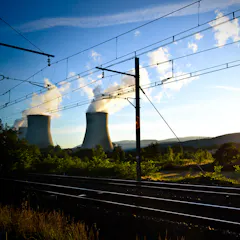
Recent debates about the future of nuclear power in Australia make much of the potential of the next generation of reactors.
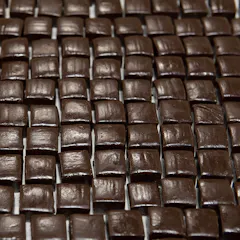
It’s long been known that our diet choices help determine our carbon footprint. But do you know which of your favourite foods are the most water-hungry?

Individual actions to reduce emissions are important in two ways. First, they have an immediate impact, and secondly, adopting low-carbon life choices sends a clear message to political leaders.
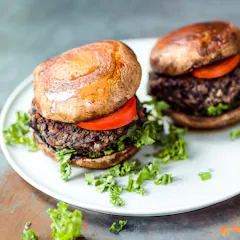
We don’t know enough about the carbon footprint of vegan foods, and that needs to change.
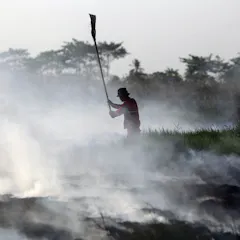
July 29, 2019 is ‘Earth Overshoot Day,’ a date coined by the nonprofit Global Footprint Network to publicize overuse of Earth’s resources. But their estimates may actually understate the problem.

Dairy proteins may be the next product to be mass produced in labs, for use in fluid “milk” production and processed dairy products like yogurt and cheese.
Top contributors
-

Principal Research Scientist, CSIRO Agriculture, CSIRO
-
Distinguished visiting professor, University of Glasgow
-
PhD in International Relations (International Political Economy of Mining), Queen's University, Ontario
-
Professor of Sustainability, Curtin University
-
Research Fellow, Curtin University
-
Biologiste, Immunologiste. Directeur de recherches au FNRS, Université Libre de Bruxelles (ULB)
-
Professor of Industrial Ecology and Climate Change, Humboldt University of Berlin
-
Visiting faculty, National Water Academy of India's Central Water Commission
-
Honorary Professor, Exeter UK / Adjunct Professor, Monash Sustainable Development Institute / Visiting Professor, Surrey UK, University of Exeter
-
Director of the Arrell Food Institute and Professor in the Dept. of Geography, Environment and Geomatics, University of Guelph
-
Nuclear Physicist, UNSW
-
Professor, Food Economics, University of Guelph
-
Professor, Canada Research Chair in Determinants of Child Development, Owerko Centre at the Alberta Children’s Hospital Research Institute, University of Calgary
-
Professor in Engineering, Stellenbosch University
-
Professor of Engineering, Australian National University