
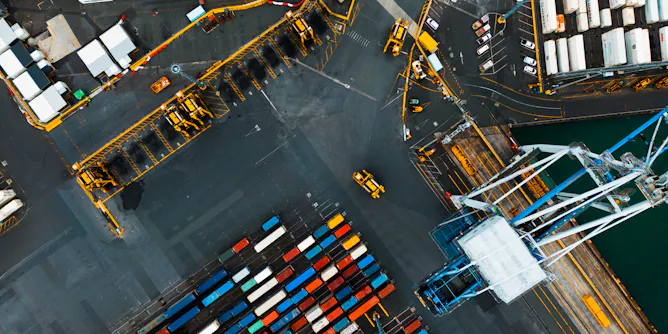
AI agents are starting to transform procurement overseas. For isolated, trade-dependent New Zealand, they could offer a powerful tool against disruption.
Articles on Supply chains
Displaying 1 - 20 of 353 articles

There’s not much diesel fuel lying around, and lots of people want to buy what is available, as well as what little is produced each day. It’s all a matter of supply and demand.
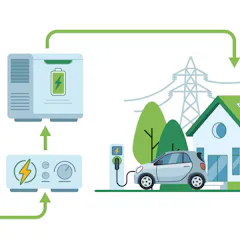
Our transport infrastructure and logistics supply chains were built for a stable environmental and energy baseline that no longer exists.
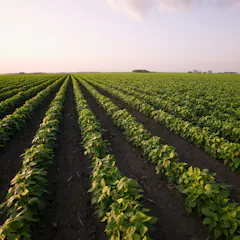
Canada is a major US supplier of fertilizer ingredients that could get pulled into Trump’s trade war. Farms can go without fertilizer for a while, but not long.
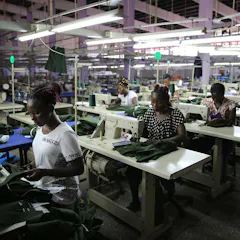
Going circular doesn’t have to mean buying expensive technology. African manufacturers can innovate by learning from what already exists.
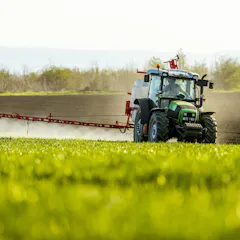
Compost, manure and food waste can be turned into biofertilisers made from natural materials.
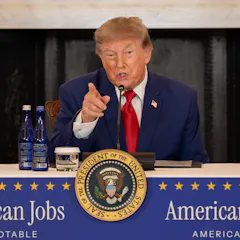
With a half-billion-dollar loan, the US hopes to cut its reliance on Chinese supplies of scandium, a crucial mineral for aerospace. But China still has leverage.

The Gironde wildfires reveal how logistics are key in firefighting. Emergency operations in the French region are twofold: providing relief and evacuating large populations.

Picking up food more frequently from supermarkets doesn’t close the gap between what’s donated and could be donated, a supply chain scholar explains.
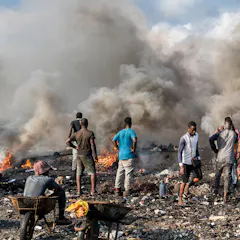
In Agbogbloshie, Ghana, thousands of young women and men burn electronic waste to extract minerals at a cost to their health. They need more protection.
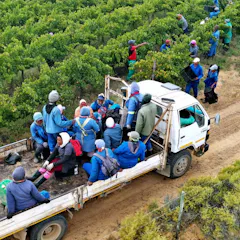
Global supply chains lead to companies capturing most of the value, while suppliers – and especially workers – get a much smaller share.

By improving how freshness data is measured and shared, Canada can waste less food, lower costs for households, reduce emissions and build a more resilient food system

Prescription drug shortages can have a significant effect on quality of life for patients.
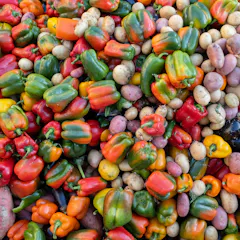
Wastage of edible food means lost calories, lost money and a growing climate problem.

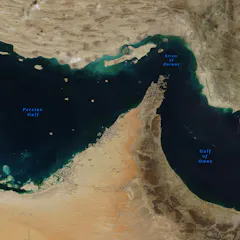
The world is too dependent on the Gulf states for energy and fertiliser.
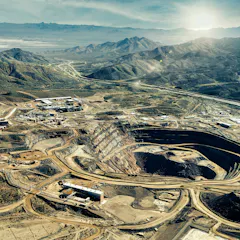
America was once the global leader in rare earth element production, but as processing moved to China, the US lost capacity and expertise. It can get them back.

Cost pressures can drive down quality.
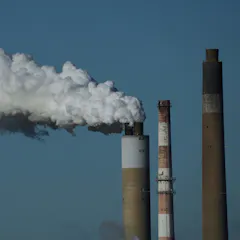
Environmental impacts are often overlooked in supply chain debates. A new framework shows how businesses can respond more fairly and effectively.
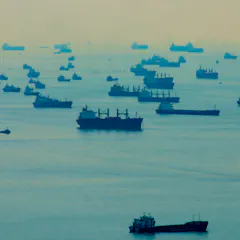
South-east Asia is becoming more explicitly tied into great-power competition, and the Strait of Malacca is at the centre of it.
Controlling supply chains puts a country in a very powerful position.
Top contributors
-

Associate Dean, School of Business and Law, Edith Cowan University
-
Eugene M. Isenberg Chair in Integrative Studies, UMass Amherst
-
Professor of Health Service Operations, School of Pharmacy & Medical Sciences, University of Bradford
-
Deputy Director of the HUMLOG (Humanitarian Logistics and Supply Chain Management Research) Institute, Hanken School of Economics
-
Professor in Sustainable Production and Consumption, Anglia Ruskin University
-
Lecturer in Logistics, Technological University Dublin
-
Associate Professor in Operations and Supply Chain Management, UTS Business School, University of Technology Sydney
-
Assistant Professor of Operations Management, University of Manchester
-
Senior Lecturer in Operations and Supply Chain Management, Anglia Ruskin University
-
Professor of Logistics and Supply Chain Management, Heriot-Watt University
-
Associate Professor of Supply Chain & Analytics, University of Missouri-St. Louis
-
Associate Professor, University of Sydney Business School, University of Sydney
-
Distinguished Professor of Supply Chain Management, Northeastern University
-
Associate Professor, Supply Chain Analytics, University of Bradford
-
Professor of Accounting, University of Portsmouth