

Pistachio production will require even more water use by 2050 if temperatures and greenhouse gas levels continue to rise.
Articles on Carbon footprint
Displaying 1 - 20 of 112 articles
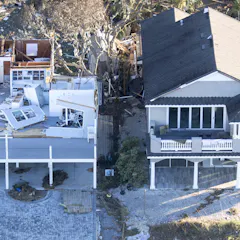
A ‘green’ building has to last for its intentionally small carbon footprint to pay off. That includes surviving flood, storm or wildfire damage.
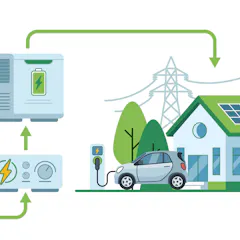
The EU’s new electrification plan aims to slash reliance on fossil fuels by doubling the number of heat pumps by 2030.

The bid committee for the 2026 World Cup aimed for a carbon neutral event. Green groups predicted an environmental disaster. Who was right?

The average wardrobe has about 200 items of clothing. Many of these may never earn their environmental keep.

A three year study of Tanzanian children found that changing the way homes are designed can prevent diarrhoea, pneumonia and malaria, and help children grow taller.
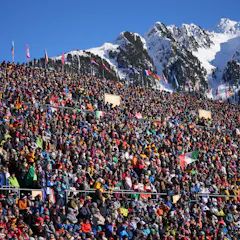
The initiatives put in place by the organizers for the Milano Cortina Winter Olympics are an encouraging first step, but they remain insufficient.

The ever-increasing expansion of football is not a good match for the environment.
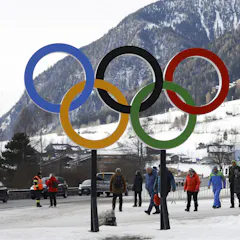
Like Paris 2024, the Milan-Cortina Winter Games aim to set an example in terms of sustainability, but their implementation comes with its own set of challenges.

Many calculators leave out big chunks of climate impact or rely on oversimplified assumptions.

Adding “green” products to your food basket doesn’t reduce its carbon footprint – even though we think it does.

Stored data contributes to greenhouse gas emissions by needing power for servers and cooling systems.

Vast deposits of naturally occurring hydrogen hold promise for a green future. However, policies need to be enacted for the extraction and circulation of hydrogen.

Why aimless streaming should be avoided because video uses so much more energy than just audio.
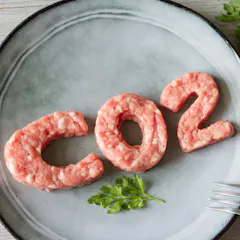
Product labelling showing whether food comes mainly from animals or plants can help consumers make more climate-friendly choices.

Burundi’s government must balance strict climate regulations alongside promoting voluntary behaviour changes.
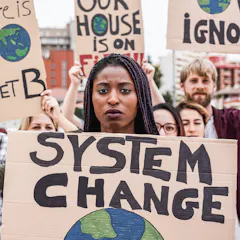
Shifting the blame for the climate crisis onto individuals hides the larger issue. True progress demands systemic accountability from governments and corporations.
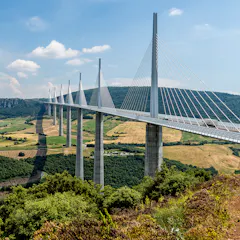
The Millau Viaduct just turned 20, but passed its carbon break-even point some years ago.

Understanding travellers’ willingness to pay for green travel could help airlines find ways to reduce the environmental impact of their industry.

This year was the hottest on record. There are three ways people can reduce their individual carbon emissions this holiday season.
Top contributors
-

Professor of Sustainability Marketing, University of Surrey
-
Doctorant en sciences de l'environnement, Département des sciences fondamentales, Université du Québec à Chicoutimi (UQAC)
-
Professeur, Eco-consulting, Université du Québec à Chicoutimi (UQAC)
-
Doctorante en science politique, Université de Montréal
-
Honorary Researcher, Environment Centre, Lancaster University
-
Senior Lecturer, Warsash School of Maritime Science and Engineering, Southampton Solent University
-
Research Chair, Indigenous Approaches to Environmental Management, Keele University
-
Reader in Geopolitical Ecology, Queen Mary University of London
-
Adjunct Research Fellow, Institute for Land, Water and Society, Charles Sturt University
-
Senior Researcher in Statistical Genetics and Pathogen Dynamics, University of Oxford
-
Professor of Climate Politics, Cardiff University
-
Associate Professor in Media and Communications, University of Warwick
-
Associate Professor & Chair of Eco-Entrepreneurship, McMaster University
-
Distinguished Professor of History and Environmental Studies, Penn State
-
Professeur junior en Santé et Changements Globaux, École normale supérieure (ENS) – PSL; Université Paris Dauphine – PSL