

Scientists are exploring light-activated nanoparticles to kill biofilms in stored drinking water, aiming to make household water safer in South Africa.
Articles on Water-borne diseases
Displaying all articles

Unchecked airborne infections cost billions in lost health and productivity each year – likely more than the cost of better ventilation to clean up indoor air.
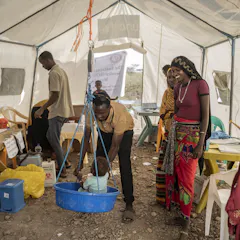
There are lessons for other African countries in how Ethiopia built its health emergency response teams.

Children are particularly susceptible to the bugs that lurk in unsanitary water.

A specially coated foil removed more than 99% of E. coli bacteria from water in laboratory tests.

Climate change is putting pressure on Ethiopia’s largest city, Addis Ababa, and exposing people to disease and natural disasters.
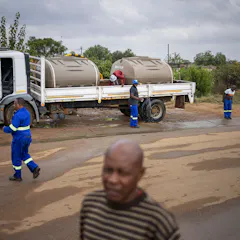
Good legislation has been undermined by poor planning, limited investment and governance, but recent water reports suggest the government recognises the scale of the problems.

The primary reasons for the systemic collapse include poor operation, defective infrastructure, the absence of disinfection chemicals, and lack of monitoring.
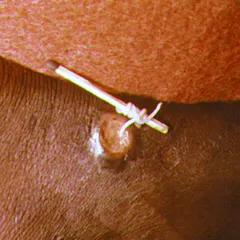
After nearly 40 years of effort, Guinea worm disease is on the cusp of being the second human disease – after smallpox – to be eradicated on Earth.
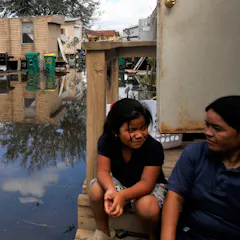
It’s not just mosquitos. Flooding, extreme heat and other climate-related hazards are bringing people into contact with pathogens more often, and affecting people’s ability to fight off disease.
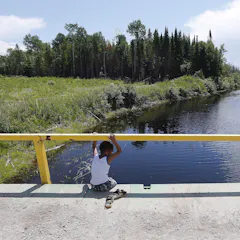
The federal government’s announcement that boil-water advisories on First Nations won’t end until 2023 at the earliest isn’t surprising. The true crisis is much greater than widely known.
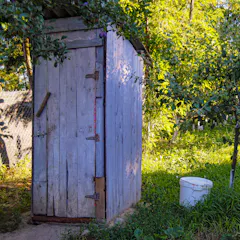
Untreated wastewater is responsible for the deaths of 800 children under five every day, and inflicts serious damage to the environment. Knowing where sewage ends up is vital.

Water at informal settlements, where sanitation and waste management facilities were absent, had high bacteria levels.
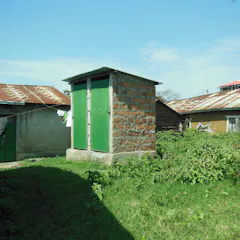
Shared toilets have been shown to be linked to poor health outcomes.
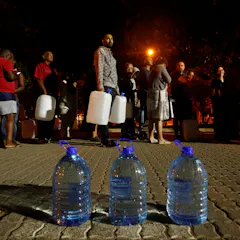
When day zero arrives in Cape Town, the routine surveillance systems that monitor disease outbreaks will be enhanced to pick up new diseases.
Top contributors
-

Distinguished Professor, Division of Family Medicine and Primary Care, Stellenbosch University
-
Public Health Specialist in the Division of Health Systems and Public Health,, Stellenbosch University
-
Postdoctoral fellow, University of South Africa
-
Associate professor, University of South Africa
-
Public Health Registrar in the Division of Public Health Medicine, University of Cape Town
-
Associate Professor of Biochemistry, Clemson University
-
Associate professor, University of KwaZulu-Natal
-
Ph.D. Candidate in Geography and Environmental Science, University of Hawaii
-
Postdoctoral Researcher in Marine Science, University of Gothenburg
-
Senior Scholar in Environmental & Geographical Science, University of Cape Town
-
Lecturer in Environmental and Humanitarian Engineering, University of Sydney
-
Associate Professor of Biology, University of Hawaii
-
Associate Professor and Water Management Expert, University of South Africa
-
Lecturer, Great Lakes University of Kisumu
-
Postdoctoral Scholar in International Environment and Resource Policy, The Fletcher School, Tufts University