
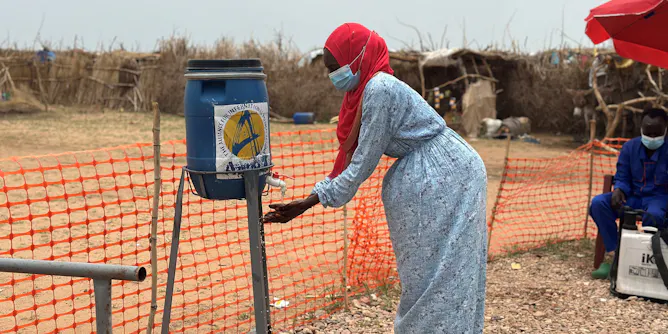
While cholera launched modern epidemiology and has nearly disappeared in many countries, the disease never went away. It has instead retreated to the places least equipped to fight it.
Articles on Cholera
Displaying 1 - 20 of 94 articles
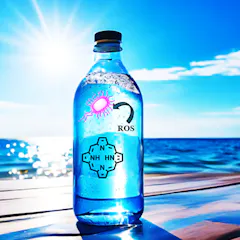
Scientists are exploring light-activated nanoparticles to kill biofilms in stored drinking water, aiming to make household water safer in South Africa.
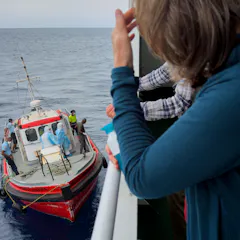
To stop the spread of infectious diseases, governments need information and other resources that countries around the globe share through international organizations.
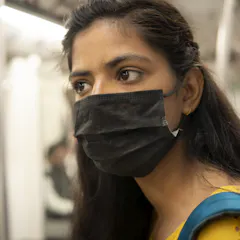
Disease outbreaks can make women and girls especially vulnerable to violence, but health surveillance systems do a poor job tracking these trends.
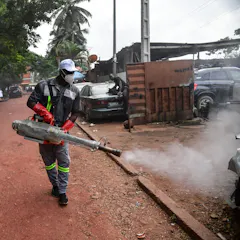
Climate-caused heat and floods help disease-carrying insects spread to new places.

Researchers have discovered a second mass grave of Irish immigrant railroaders in Chester County, Pa.

Don’t ignore these symptoms after your trip abroad.
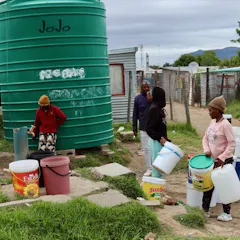
In South Africa’s Eastern Cape, water equipment needs replacement. Water payments should be kept aside to improve the service.
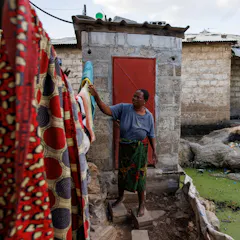
Sewage leaks, rundown communal outdoor toilets and breakdowns in water systems are causing public health disasters across Africa.

A specially coated foil removed more than 99% of E. coli bacteria from water in laboratory tests.
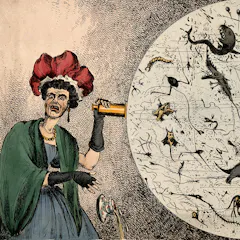
The water regulator has issued a record £168m fine to Thames, Yorkshire and Northumbrian Water for a ‘catalogue of failure’ regarding illegal sewage discharges – with more fines expected to follow.
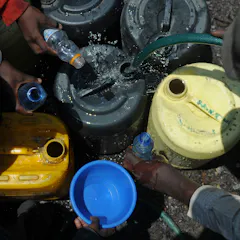
Nigeria is prone to a variety of factors that lead to recurring cholera outbreaks.
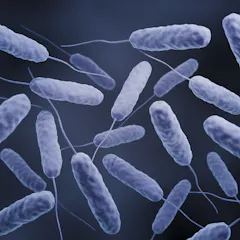
Severe weather such as drought and floods is contributing to cholera outbreaks in Africa.

In South Africa, a group of citizen scientists who test water quality and log the results on a specialised app have helped keep the water supply for 4.3 million people clean.
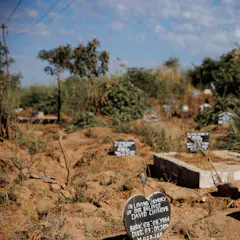
The world’s stockpile of cholera vaccines has run dry, bad news for cholera-ravaged southern Africa. Why is this and what is being done to address vaccine shortages in Africa?

Heat, floods and droughts create conditions for pathogens and their vectors.
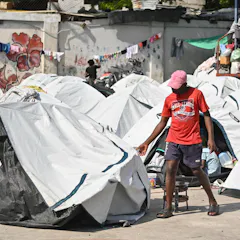
The security situation in Haiti must change – but another UN intervention may not be the way this happens.

The aim of vaccination is to prevent infection. In addition, vaccination is intended to reduce the risk of severe illness.

Over the last two years, routine immunisation services and coverage of essential childhood vaccines have been disrupted.
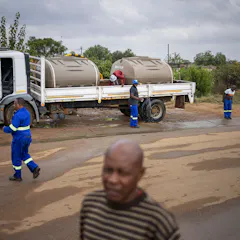
Good legislation has been undermined by poor planning, limited investment and governance, but recent water reports suggest the government recognises the scale of the problems.
Top contributors
-

Professor of Law, Conflict and Global Development, University of Reading
-
Director DNDi Eastern Africa and Senior Principal Research Scientist, KEMRI, Kenya Medical Research Institute
-
Senior Lecturer, International Development Department, University of Birmingham
-
Associate Professor and Water Management Expert, University of South Africa
-
Professor/Senior Research Fellow, Centre for Advancement of Scholarship, University of Pretoria
-
Director of the Centre for Epidemic Response and Innovation (CERI) at Stellenbosch University and the KwaZulu-Natal Research Innovation and Sequencing Plaform (KRISP)., Stellenbosch University
-
Head Scientific Research Support, Stellenbosch University
-
Research Officer / EIDM Specialist, University of Cape Town
-
Recognised Researcher, Imperial College London
-
Principal Visiting Fellow & Former Deputy Director, International Institute for Global Health (UNU-IIGH), United Nations University
-
Chief Research Officer, Kenya Medical Research Institute
-
Professor of Global Biosecurity, NHMRC L3 Research Fellow, Head, Biosecurity Program, Kirby Institute, UNSW
-
Assistant Professor of History, University of Pittsburgh
-
Assistant Professor of Epidemiology and Biostatistics, University of Illinois Chicago
-
Associate professor, University of South Africa