
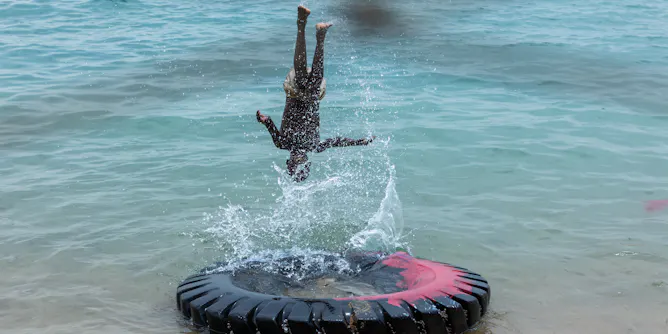
Traditional research outputs like journal articles don’t often give voice to communities’ stories.
Articles on Water
Displaying 281 - 300 of 833 articles
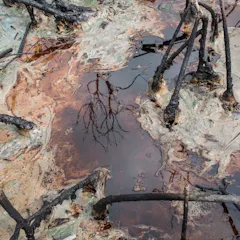
Adequate wastewater treatment systems are crucial to ensure that wastewater from the oil industry does less damage.
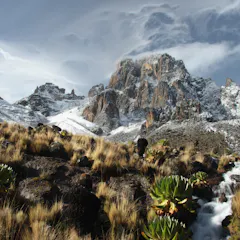
Mountain systems are sensitive to climate change. Loss of snow and ice sets off effects which have wide ranging consequences.
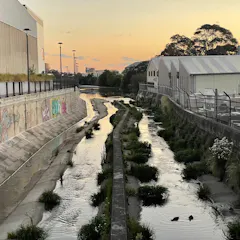
Long before Green Square was a huge urban renewal project it was Country known to Traditional Owners for its wetlands. Until now, those water stories have remained largely invisible.
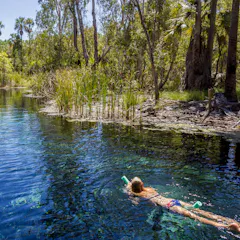
There are fears the Northern Territory government will allow gas and other industries to extract substantially more water from the environment than is currently allowed.
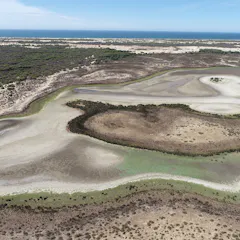
While we know how global changes in freshwater pose risks to humans and ecosystems, we know less about how people and ecosystems will respond to these global freshwater challenges.
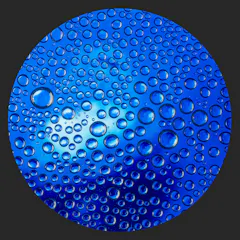
The chemical reaction that forms essential biomolecules like proteins and DNA normally doesn’t occur in the presence of water. Microdroplets provide a unique environment that make it possible.
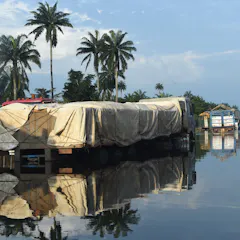
Despite the impact of flooding on food security, it is not recognised as a threat by policymakers.
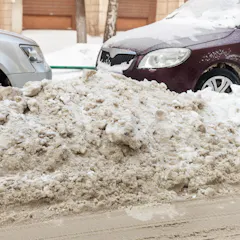
From persistent chemicals to exhaust particulate matter, snow accumulates highly toxic pollutants. Regulations are needed to address the impacts on water supplies and the food chain.
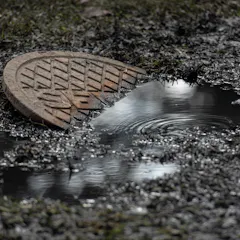
Congress has approved billions of dollars to fix water and sewer systems across the US. But getting that money to needy communities depends on how states define a key word.

Carb loading is important, but make sure you do it properly.
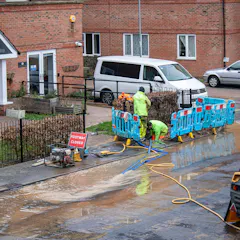
Unless action is taken, the UK will be unable to supply its own water needs in the future – we should look to water-scarce regions such as California for inspiration.
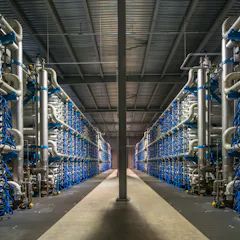
Nearly 97% of the world’s water is in the oceans, but desalination is no magic bullet for water-stressed coastal cities.
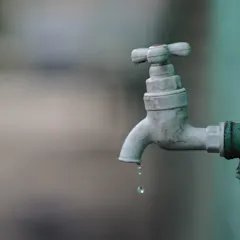
South Africa’s water situation is complex. It needs better monitoring and implementation of plans.
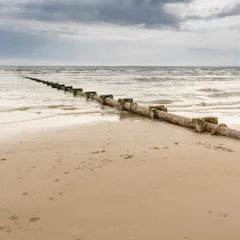
Water companies recently released raw sewage near more than 100 beaches across Britain.
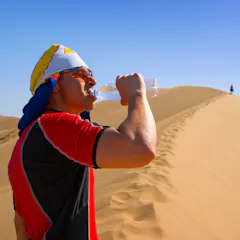
Drinkable water resources are becoming increasingly scarce. Are technologies such as desalination capable of averting such a crisis?
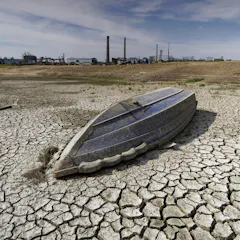
The world’s great rivers are see-sawing from trickles to floods.

Rainwater may be contaminated with chemicals and scientists are still uncertain about their effects.
Paris successfully took water back into public ownership. There is growing evidence to suggest England should do the same.

From capillary forces to sand grain shape, the simple mix of sand and water hides the complexity within.
Top contributors
-

Associate Professor in Environmental Science, Western Sydney University
-
Visiting Adjunct Professor, School of Governance, University of the Witwatersrand
-
Professor of Civil, Environmental and Ecological Engineering, Purdue University
-
Regents Professor Emeritus and Morris K. Udall Professor of Law & Public Policy Emeritus, University of Arizona
-
Senior lecturer, Nelson Mandela University
-
Executive Co-Director, UNU Hub on Empowering Communities to Adapt to Environmental Change, United Nations University; University of Calgary
-
Research Associate, Department of Economics, SOAS, University of London
-
Matthew Flinders Professor in Water Economics, Flinders University
-
Professor, School of Biological, Earth and Environmental Sciences, UNSW
-
Distinguished Professor of Engineering, University of California, Merced
-
Distinguished visiting professor, University of Glasgow
-
Research Fellow, Monash Sustainability Institute, Monash University
-
Associate Professor of Environmental Economics and Policy, School of Environment, Science and Engineering, and Fellow of the Marine Ecology Research Centre, Southern Cross University
-
Professor, Fenner School of Environment & Society, Australian National University
-
Senior Lecturer, Melbourne Law School, The University of Melbourne