
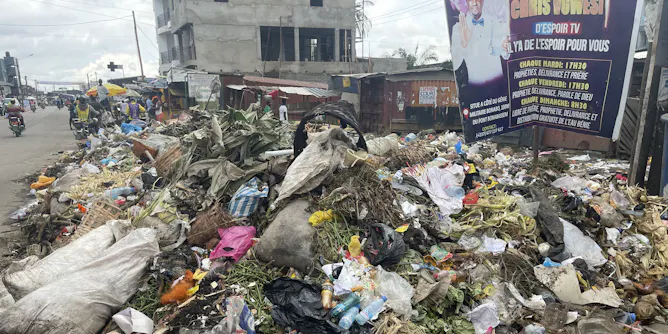
Only 43% of Cameroon’s urban residents have their garbage removed from their homes. Other garbage ends up dumped, burned or placed in overflowing communal bins.
Articles on Waste to energy
Displaying all articles
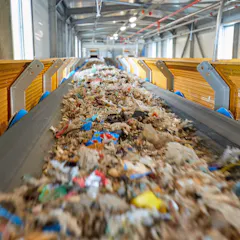
Australia stands to benefit from burning waste to produce electricity and heat for homes, but there are potential pitfalls and drawbacks too.

Garden leaves make good compost, but street leaves are too polluted.

Every year the US burns more than 34 million tons of garbage in incinerators. These plants are major pollution sources, and most are clustered in disadvantaged communities.

Scientists are finding ways to generate something useful from the pollution in our environment.
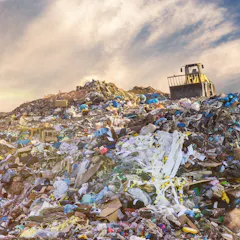
Old landfills could be, quite literally, untapped gold mines.

Incineration of household waste has gotten a bad name, argues an economist, who sees today’s recycling crisis as an opportunity to reconsider how the U.S. handles its waste.
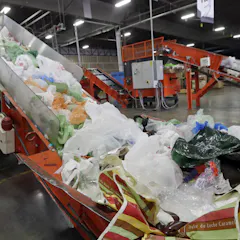
Since China stopped importing ‘foreign garbage’ in March 2018, scrap – especially plastic – has built up in the US. Will this shock trigger long-overdue investments in plastic recycling here?
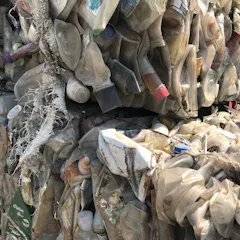
Plastic can only be recycled a few times before it becomes useless. But even non-recyclable plastic can be used to help produce petrol and diesel. Could this process help overcome the recycling crisis?
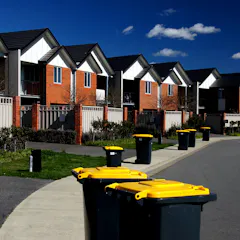
China new cleanliness standards for the recyclable materials it imports are so stringent that they are tantamount to a total ban. Australian councils are now in crisis mode as the rubbish piles up.
The technology underlying Bitcoin is starting to spread its wings.
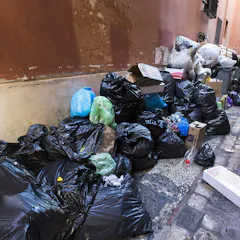
Despite a series of EU laws on waste management, some countries are still a bit rubbish.
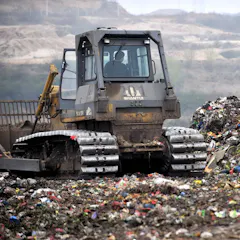
Protests against a proposed waste incinerator power plant involving thousands of residents took place in southern China over two weekends in mid-September. The demonstrations, in Boluo county, Guangdong…
Top contributors
-

Professor of Applied Environmental Science, University of Southampton
-
Professor of Economics, Bucknell University
-
Research Chair, Indigenous Approaches to Environmental Management, Keele University
-
Professor of Global Environmental Politics, University of California, Berkeley
-
Reader in Forensic Geoscience, Keele University
-
Advanced Queensland Research Fellow, The University of Queensland
-
PhD Researcher, School of Contemporary Chinese Studies, University of Nottingham
-
Associate Professor in Materials and Environmental Innovation, University of Portsmouth
-
PhD Candidate, School of Civil Engineering and Surveying, University of Portsmouth
-
Senior Research Fellow, BehaviourWorks Australia, Monash University
-
Research Principal, Institute for Sustainable Futures, University of Technology Sydney
-
Lecturer in Chemical Engineering, Loughborough University
-
Postdoctoral Research Fellow, University of Warwick
-
Postdoc, University of Copenhagen
-
Assistant Professor of Environmental Policy and Sustainability Management, The New School