
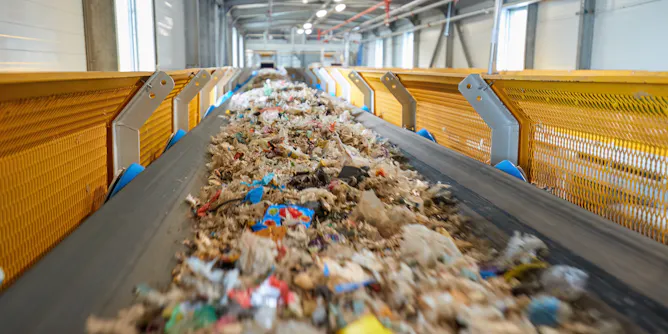
Australia stands to benefit from burning waste to produce electricity and heat for homes, but there are potential pitfalls and drawbacks too.
Articles on Incinerators
Displaying all articles
England plans to nearly double its number of waste incinerators.

Rubbish can be reused or recycled – or it may end up in a dumpsite.

Polar bears are increasingly seeking sustenance in human trash because of melting sea ice and a loss of hunting opportunities. The result is a rise in human-bear conflict – and dead bears.
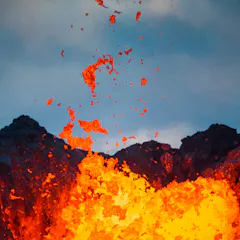
Volcanoes might seem like nature’s incinerators, but using them to burn up trash would be dangerous and disrespectful to indigenous people who view them as sacred.
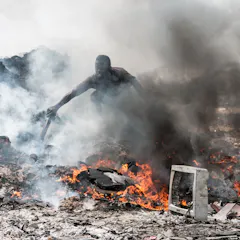
Two billion people worldwide lack a dedicated system of waste collection and management.
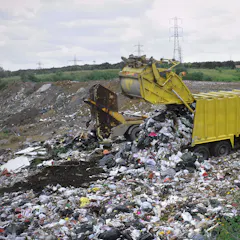
From Orwell to Trump, the wealthy have a long tradition of stereotyping working-class communities as “dirty” – that has to stop.

Every year the US burns more than 34 million tons of garbage in incinerators. These plants are major pollution sources, and most are clustered in disadvantaged communities.
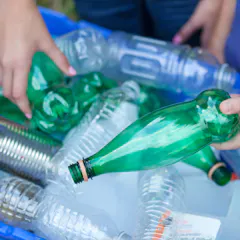
China, which once processed much of the world’s scrap, has slashed imports of “foreign garbage.” What can the US do to step up recycling at home?
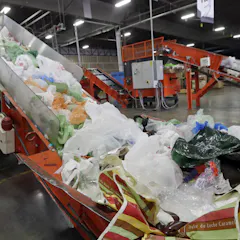
Since China stopped importing ‘foreign garbage’ in March 2018, scrap – especially plastic – has built up in the US. Will this shock trigger long-overdue investments in plastic recycling here?
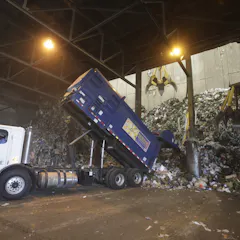
Most Americans don’t want incinerators in their neighborhoods, so waste management companies are burning trash in other facilities such as cement kilns. Is this a sustainable way to deal with garbage?
Top contributors
-

Assistant Professor of Environmental Policy and Sustainability Management, The New School
-
Research Geologist, U.S. Geological Survey
-
British Academy Postdoctoral Research Fellow in Criminology and a JRF in Law, University of Oxford
-
Research Associate, Department of Civil and Environmental Engineering, Imperial College London
-
Lecturer in Resource Efficiency Systems, School of Civil Engineering, University of Leeds; Imperial College London
-
Professor - Wildlife and Wildlands Conservation Program, Brigham Young University
-
Professor of Applied Environmental Science, University of Southampton
-
Senior Lecturer in Green Chemistry, Manchester Metropolitan University
-
Postdoctoral Research Associate, University of Sydney
-
Associate Dean (Research), University of Sydney
-
Professor of Global Environmental Politics, University of California, Berkeley
-
Research Fellow, University of Sydney