
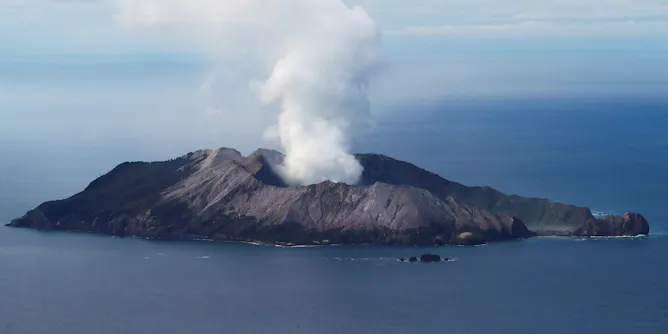
New Zealand has several volcanic areas that remain popular tourist destinations. A new early-alert system for eruptions would help operators determine when it is safe to visit an active volcano.
Articles on Volcanic eruptions
Displaying 41 - 60 of 85 articles
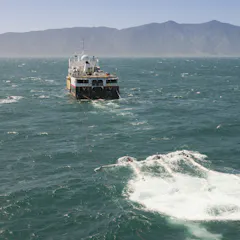
New research confirms that massive plumes of buoyant hot rock once rose from near the Earth’s core to the surface and triggered vast volcanic eruptions - and that New Zealand sits on top of one.
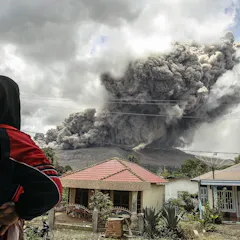
What is political will or political commitment to disaster risk reduction? Why is it important to measure political commitment? And how to measure it?

The tragedy at Whakaari/White Island highlights the need for consent forms to ensure tourists are fully informed when choosing to visit dangerous locations.
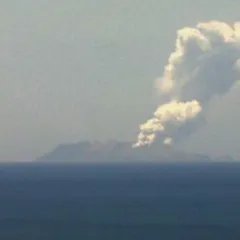
Five people have died and several remain unaccounted for after a sudden volcanic eruption on Whakaari/White Island off the east coast of New Zealand.
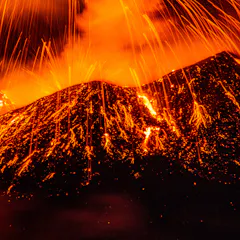
There is evidence for catastrophic climate change from protracted volcanic eruptions in the past, but since the 1950s the emissions we produce far exceed those from volcanic activity.
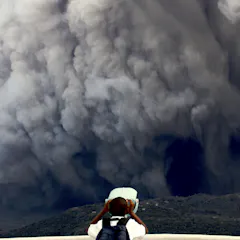
Many return to dangerous evacuation zones fully understanding the risks. New research explains why.
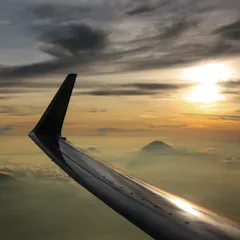
Volcanic ash is made of tiny crystal and rock fragments that during an eruption can reach as high as the cruising altitude of commercial aircraft, and that’s a concern for airlines.
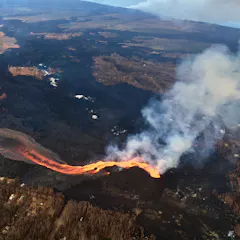
Scientists say they’ve found a new method to help predict when volcanoes will erupt, based on data crunched from an eruption last year in Hawaii.
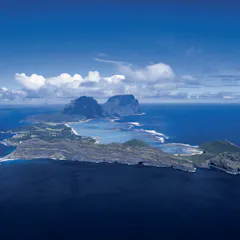
Lord Howe Island is part of an underwater volcanic chain much older than first thought, with the possibility of new islands still to form.
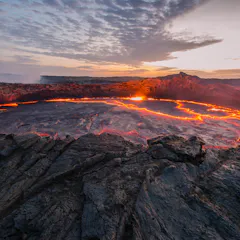
To be better prepared for future eruptions there’s a need to understand and monitor poorly known volcanoes, even in remote places.
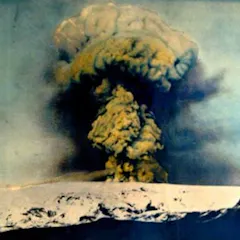
We can’t say that Katla in Iceland is ‘due’ to erupt, no matter what you have read.
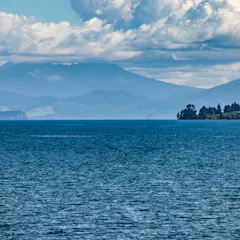
New research shows that carbon dioxide in groundwater can affect the aging of volcanic eruptions. The findings could help predict future eruptions.
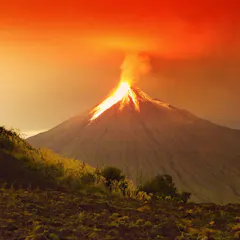
When magma rises towards the surface gas bubbles start to form. Whether or not they can escape as the magma is rising affects how explosive the eruption will be.
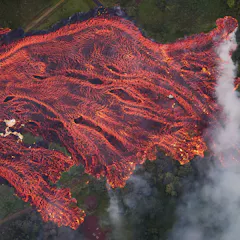
The current eruption of Kilauea on Hawai'is big island can tell us a lot about what is going on beneath the volcano and may provide lessons for future eruptions.
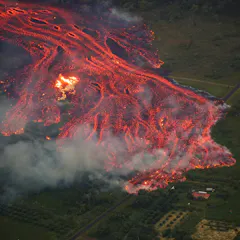
At Kīlauea in Hawai'i, a recent volcanic eruption has created some of the most spectacular sights in nature. But also danger for those around it.
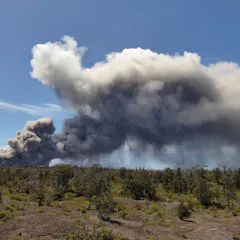
The Kīlauea volcano on Hawai'i’s big island is threatening to produce violent and energetic eruptions not seen since 1924.
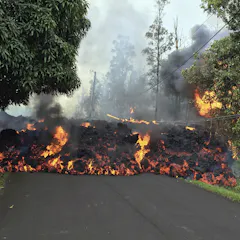
Fountains of lava from Hawaii’s Kilauea volcano are dramatic, but the most deadly impacts of volcanic eruptions are toxic gases and ash and mud flows.
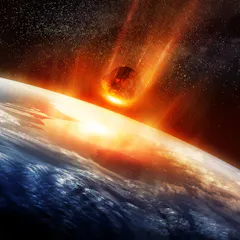
Research suggests a new threat to life on Earth from the meteorite’s crash: Via seismic waves, the impact triggered massive undersea eruptions, as big as any ever seen in our planet’s history.
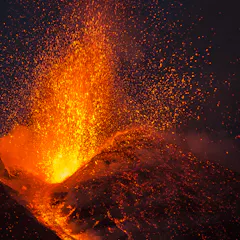
A new study has found a way to predict eruptions at Mount Etna within two weeks.
Top contributors
-

Senior Curator of Geosciences, Museums Victoria Research Institute; Monash University
-
ARC Future Fellow and Associate Professor in Igneous Petrology/Volcanology, The University of Queensland
-
Professor of Earth Sciences, University of Auckland, Waipapa Taumata Rau
-
Volcanologist, Lancaster University
-
Professor in Earth Sciences, Nanyang Technological University, Singapore, and Emeritus Professor of Mineral Physics, University of Cambridge
-
Associate Professor of Geosciences; Director for the Boise State Hazard and Climate Resilience Institute, Boise State University
-
Associate Professor of Medieval History, Durham University
-
Senior Natural Hazards Risk Scientist, GNS Science
-
Emeritus professor in geology, Australian National University
-
Reader in Physical Geography and Natural Hazards, Coventry University
-
Associate Professor in Geophysics, Te Herenga Waka — Victoria University of Wellington
-
Professor of Planetary Geosciences, The Open University
-
Associate Professor in Earth Sciences, University of Tasmania
-
Associate Professor of Geology, University of Richmond
-
Professor, Addis Ababa University