
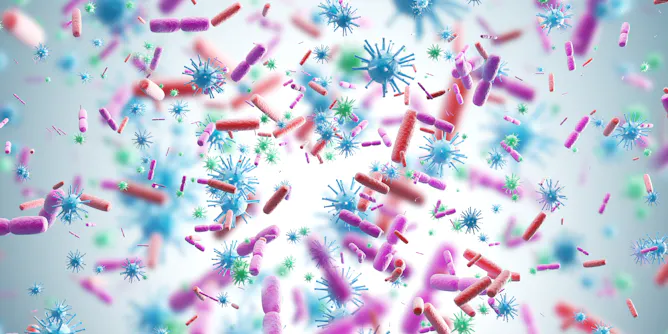
Most people have heard of the gut microbiome, but the lungs, skin, mouth and genitals all have their own unique microbiome.
Articles on Viruses
Displaying 101 - 120 of 564 articles

Despite an abundance of research on strep, there is still a great deal of debate in the scientific community over whether and when people should get tested and treated for it.

A microbiologist on the deadly germs lurking in your kitchen and why you need to wash tea towels and dishcloths more often.

Machine learning can spot patterns in patient data and help detect hepatitis B earlier, which could save lives.
Although testing for CMV during pregnancy isn’t routine and there isn’t universal screening for infants, there are steps pregnant people can take to protect themselves and their newborns.
The first vaccine against respiratory syncytial virus is 83% effective.

Babies guts found to have ten times as many viral species as bacterial species.
A new study shows that the gut microbiota has little or no effect on our weight, metabolism and risk of developing chronic diseases.

Your mobile phone is 10 times dirtier than a toilet seat. Here’s what to do about it.
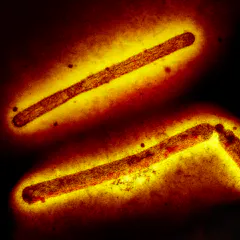
Avian influenza — commonly known as ‘bird flu’ — is infecting domestic and wild birds in Canada and around the world.

The filthy secrets of hotel rooms and why you might want to pack disinfectant on your next trip.

Avian influenza viruses have evolved to infect birds, but the current H5N1 outbreak is also infecting a wide range of mammals. This suggests that it could mutate into forms that threaten humans.
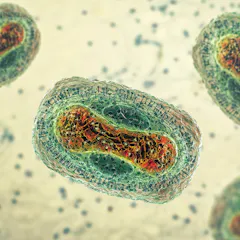
It’s likely a combination of the incidence of viral outbreaks increasing, and the fact we’re getting better at detecting them.
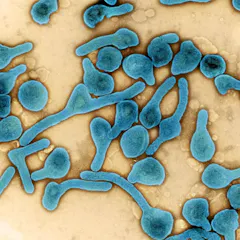
The Marburg virus, a close cousin of Ebola, currently has no approved treatments or vaccines to protect against it.

A biologist who studies how viruses spread from animals to people explains the process of spillover and the risks posed by the new bird flu that has spread across the globe.
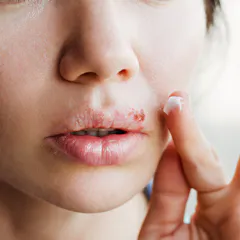
Three quarters of Australians are living with HSV-1, with cold sores tending to appear at the most inconvenient times.

Fossil evidence of how the earliest life on Earth came to be is hard to come by. But scientists have come up with a few theories based on the microbes, viruses and prions existing today.
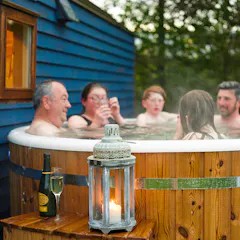
Relaxing in filth – you may never want to use a hot tub again after reading this.
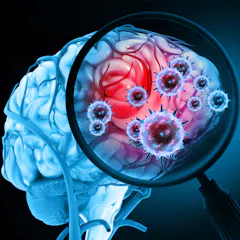
Inflammation and damage to the olfactory system from shingles, COVID-19 and herpes infections may contribute to Alzheimer’s disease.
People with an active case of shingles have up to an 80% higher risk of stroke than those without. The increased risk is highest for patients under 40.
Top contributors
-

Lecturer in Virology, Queen's University Belfast
-
Senior Lecturer in Clinical Microbiology, University of Leicester
-
Professor Emerita of Biology, Indiana University
-
Professor of Medicine, University of East Anglia
-
Principal Scientist and Canada Research Chair in Zoonotic Virus and Animal Reservoirs at the Vaccine and Infectious Disease Organization and Co-Lead of One Health at the University of Saskatchewan, University of Saskatchewan
-
Adjunct Associate Professor, Faculty of Medicine
-
Clinical Associate Professor, School of Medical Science & Sydney Infectious Diseases Institute; Principal Hospital Scientist, University of Sydney
-
Regents' Professor & Chair, Medical Laboratory Science, Texas State University
-
Senior Lecturer, Medical Microbiology, University of Westminster
-
Professor of Biological Sciences, University of Maryland, Baltimore County
-
Melbourne Laureate Professor, University of Melbourne; Director, The Peter Doherty Institute for Infection and Immunity
-
Associate Professor of Public Policy, University of Maryland, Baltimore County
-
Professor, Discipline of Paediatrics and Child Health, University of Sydney
-
Associate Professor and Research Leader in Virology and Infectious Disease, Griffith University
-
Director of Microbiology, University of California, San Diego