
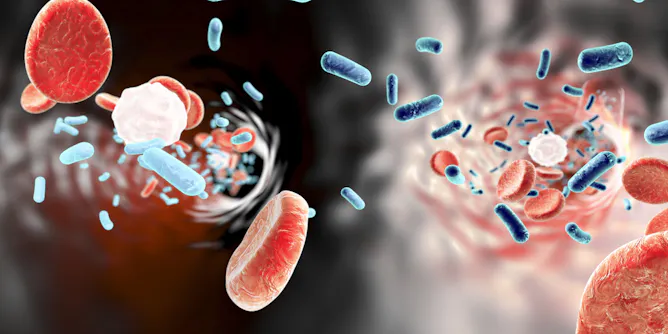
Sepsis onset can be difficult to recognize, in part because its symptoms can mimic those of many other conditions. A treatment delay of even a few hours can make the difference between life and death.
Articles on Viruses
Displaying 161 - 180 of 564 articles
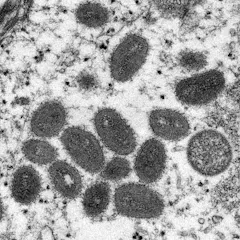
This is not the first time that the monkeypox virus has spread beyond Africa, its continent of origin. But the current epidemic is unprecedented for a number of reasons.
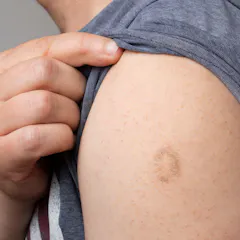
A number of vaccines and several antivirals could be used to control the global monkeypox outbreak.
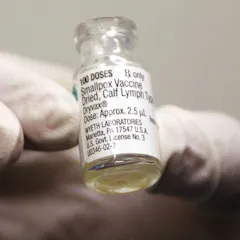
Humans have cultivated their own virus (vaccinia) that can be used in many vaccines. But there may be a price to pay.
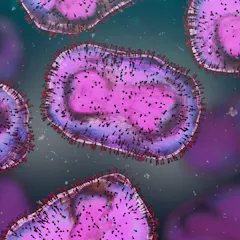
How deadly is monkeypox? Why is it called monkeypox? Is it related to chickenpox? All your questions answered.
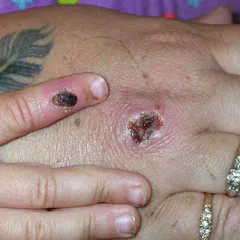
Monkeypox has been spreading in humans since as early as 1970. While most monkeypox infections are mild, some can be fatal.
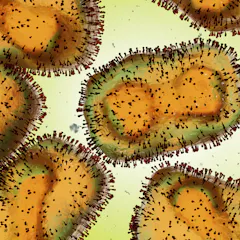
There are some concerns of human-to-human transmission.
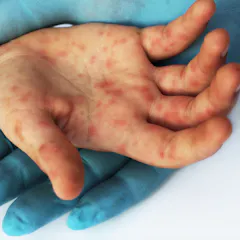
The latest report from the WHO and Unicef found cases have increased nearly 80% worldwide.

It’s true that phones aren’t as prone to viruses as computers – but they’re still far from immune.
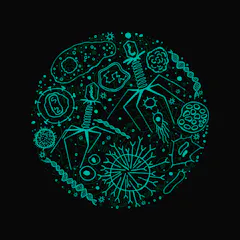
Viruses do more than just cause disease – they also influence ecosystems and the processes that shape the planet. Tracing their evolution could help researchers better understand how viruses work.
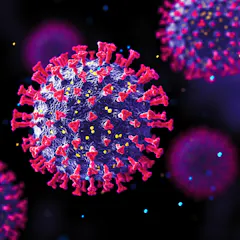
The latest addition to the omicron lineage has been making waves in Europe. Whether it will do the same in the U.S. depends on rates of vaccination and prior infection.
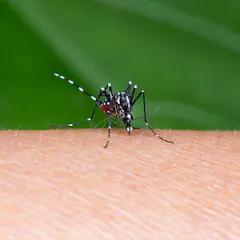
Around 99% of people infected with JEV will have no or very mild symptoms. But in less than 1% of cases, it can become serious.
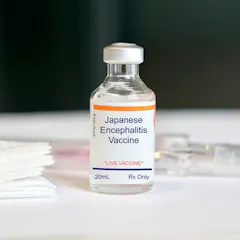
Until now, access to the vaccines has been limited. But that’s expected to change.

Decreases in respiratory infections during the pandemic suggest there may be a continued role for the selective, non-mandated use of measures like masks and social distancing even post-COVID-19.
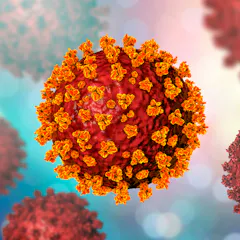
The delay in finding definitive answers to how novel infectious diseases come about is not unusual. Look at what happened to our search for Ebola virus.
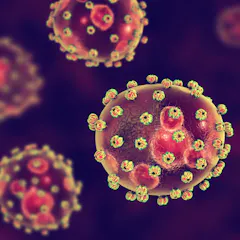
Given the small number of people that have been affected, the threat to the wider community is low.
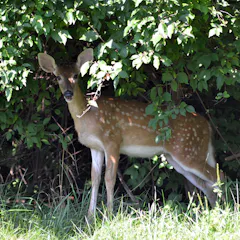
Scientists have been testing captive and wild animals for the coronavirus since the pandemic began. Only a few wild species are known to carry the virus, but many more have been shown to be susceptible.
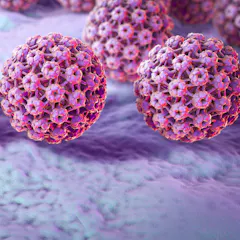
Some cancers are actually caused by viruses that linger for long periods in the body, or cause physical damage that later turns cancerous.
Masks definitely catch some of the virus laden aerosols and droplets - and that will reduce transmission between people and the number of cases of COVID-19.
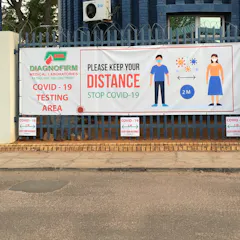
With low COVID vaccination coverage in southern Africa, some have suggested global vaccine inequities may be responsible for the emergence of Omicron.
Top contributors
-

Lecturer in Virology, Queen's University Belfast
-
Senior Lecturer in Clinical Microbiology, University of Leicester
-
Professor Emerita of Biology, Indiana University
-
Professor of Medicine, University of East Anglia
-
Principal Scientist and Canada Research Chair in Zoonotic Virus and Animal Reservoirs at the Vaccine and Infectious Disease Organization and Co-Lead of One Health at the University of Saskatchewan, University of Saskatchewan
-
Adjunct Associate Professor, Faculty of Medicine
-
Clinical Associate Professor, School of Medical Science & Sydney Infectious Diseases Institute; Principal Hospital Scientist, University of Sydney
-
Regents' Professor & Chair, Medical Laboratory Science, Texas State University
-
Senior Lecturer, Medical Microbiology, University of Westminster
-
Professor of Biological Sciences, University of Maryland, Baltimore County
-
Melbourne Laureate Professor, University of Melbourne; Director, The Peter Doherty Institute for Infection and Immunity
-
Associate Professor of Public Policy, University of Maryland, Baltimore County
-
Professor, Discipline of Paediatrics and Child Health, University of Sydney
-
Associate Professor and Research Leader in Virology and Infectious Disease, Griffith University
-
Director of Microbiology, University of California, San Diego