
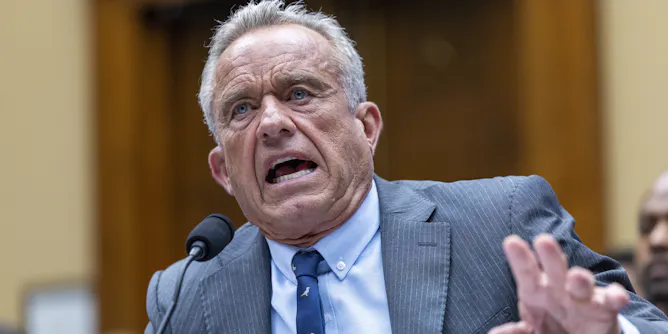
The situation in the US is deeply concerning – for vaccine uptake and for the impacts globally.
Articles on Vaccine hesitancy
Displaying 21 - 40 of 251 articles

There’s no solid evidence that thimerosal harms children. RFK Jr.’s handpicked vaccine advisory committee voted against using it in the one type of flu vaccine where it is still used.
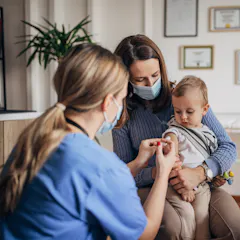
Amid declining vaccination rates in Australia, a new strategy seeks to reduce vaccine hesitancy and improve access to immunisations.
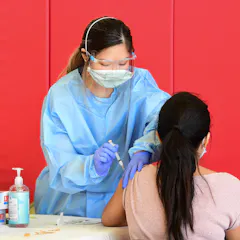
The Advisory Committee on Immunization Practices guides the CDC’s hand on vaccine policy, but some of its new members have voiced anti-vaccine views.

AI-powered chatbots can be used in health-care education to help providers practice encounters with patients who have vaccine questions.
Vaccine hesitancy isn’t a moral failure – it’s a property of a system in which people must balance personal and collective interests.
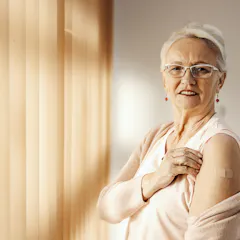
The FDA’s new framework for COVID-19 vaccines breaks from established procedure for how the government establishes vaccine guidelines.
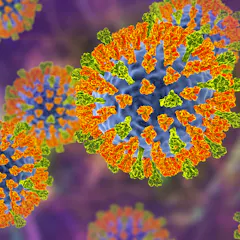
The US eliminated measles in 2000, but the number of cases at home and abroad has experts worried.

From near extinction to resurgence: how vaccine hesitancy revives deadly diseases.
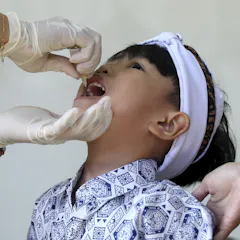
Vaccines have saved more than 154 million lives worldwide over the past 50 years. World Immunization Week is a timely reminder of important ongoing work on vaccines in Canada.
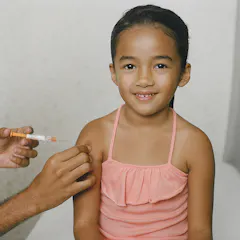
Vaccine uptake is currently too low to prevent outbreaks of measles – a highly contagious and potentially deadly virus.

Complications from measles infection are surprisingly common.
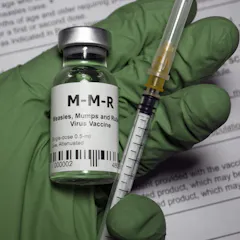
A medical epidemiologist explains who should consider getting a booster and whether you might need to check your antibody levels.
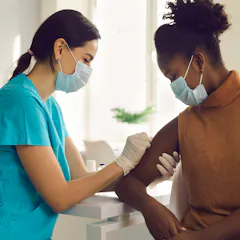
The COVID pandemic triggered a new kind of vaccine scepticism shared by people who normally take up vaccines – here’s why that’s a problem.
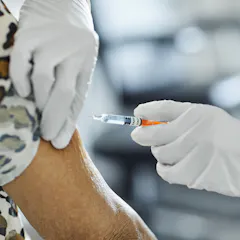
Reading a pamphlet in the doctor’s office about which vaccines to get may help nudge older adults to get vaccinated.
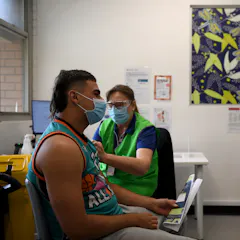
A recent study explored COVID experiences among Indigenous adults in WA. Here’s what we must learn for the next pandemic.
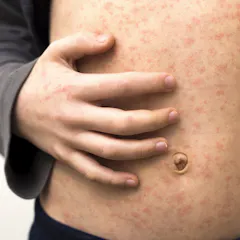
As public health officials try to tame the outbreak, declining vaccination rates draw concern.
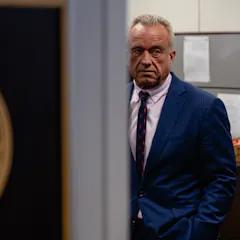
Attacks on scientific expertise have been increasing, especially in politics. Health and Human Services nominee Robert F. Kennedy Jr. is among the more prominent people who have done that.
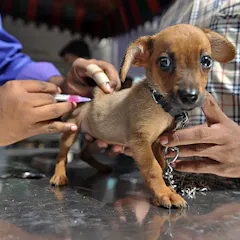
About 4% of dogs and 12% of cats remain unvaccinated against rabies, posing risks for society.
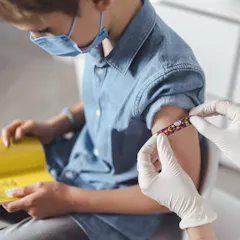
Many claims about the dangers of vaccines come from misrepresenting scientific research papers.
Top contributors
-

Associate Professor of Health Law, Policy and Management, Boston University
-
Professor, School of Population Health, UNSW
-
Professor of Paediatrics and vaccinologist, Royal Childrens Hospital, University of Melbourne and Murdoch Childrens Research Institute (MCRI); Associate Dean International, University of Melbourne, Murdoch Children's Research Institute
-
Research Fellow, Vaccine Uptake Group, Murdoch Children's Research Institute
-
Professor, School of Public Health, University of Sydney
-
Professor, School of Social Sciences, The University of Western Australia
-
Extraordinary Professor, Global Health, Stellenbosch University; South African Medical Research Council
-
Endowed Professor of Health Policy and Associate Dean, George Washington University
-
Assistant Professor of Communication and Political Science, The Ohio State University
-
Senior Scientist, Cochrane South Africa, South African Medical Research Council (SAMRC) and Honorary researcher, Division of Social & Behavioural Sciences, School of Public Health, UCT, South African Medical Research Council
-
Professor of Neurology, Medicine (Infectious Diseases), and Epidemiology, University of Colorado Anschutz
-
Executive Director, African Population and Health Research Center
-
Senior Lecturer, School of Communication, Journalism and Marketing, Te Kunenga ki Pūrehuroa – Massey University
-
Assistant Professor of Health Policy and Managment, School of Public Health, Texas A&M University
-
Postdoctoral Research Associate in Public Interest Communications, University of Florida